 EN
EN

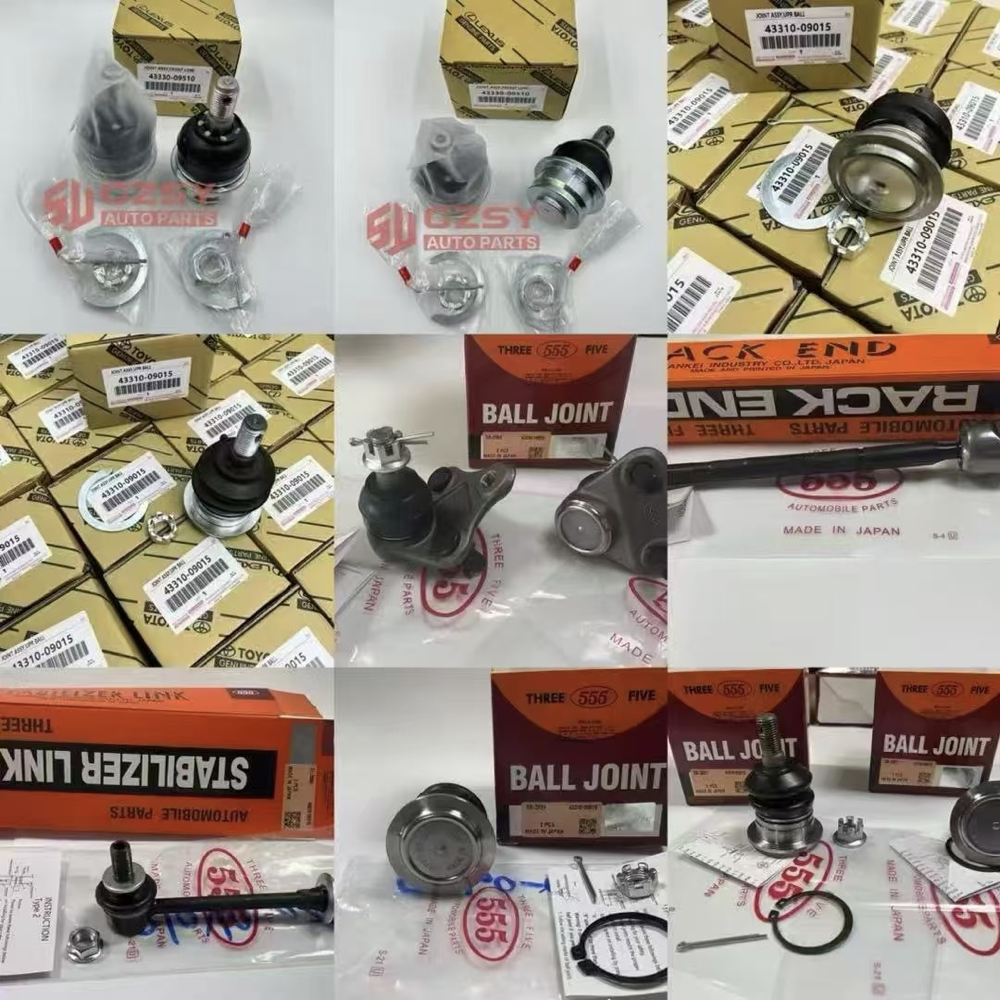
The automotive aftermarket industry in China has emerged as a global powerhouse, offering tremendous opportunities for businesses seeking quality Nissan auto parts wholesale in China. With China's manufacturing capabilities and competitive pricing, many international buyers are turning to Chinese suppliers to meet their automotive parts requirements. However, navigating this complex market requires careful consideration of various factors including supplier reliability, quality standards, and regulatory compliance. Understanding the intricacies of the Chinese wholesale market is essential for establishing successful long-term partnerships and ensuring consistent supply chain operations.
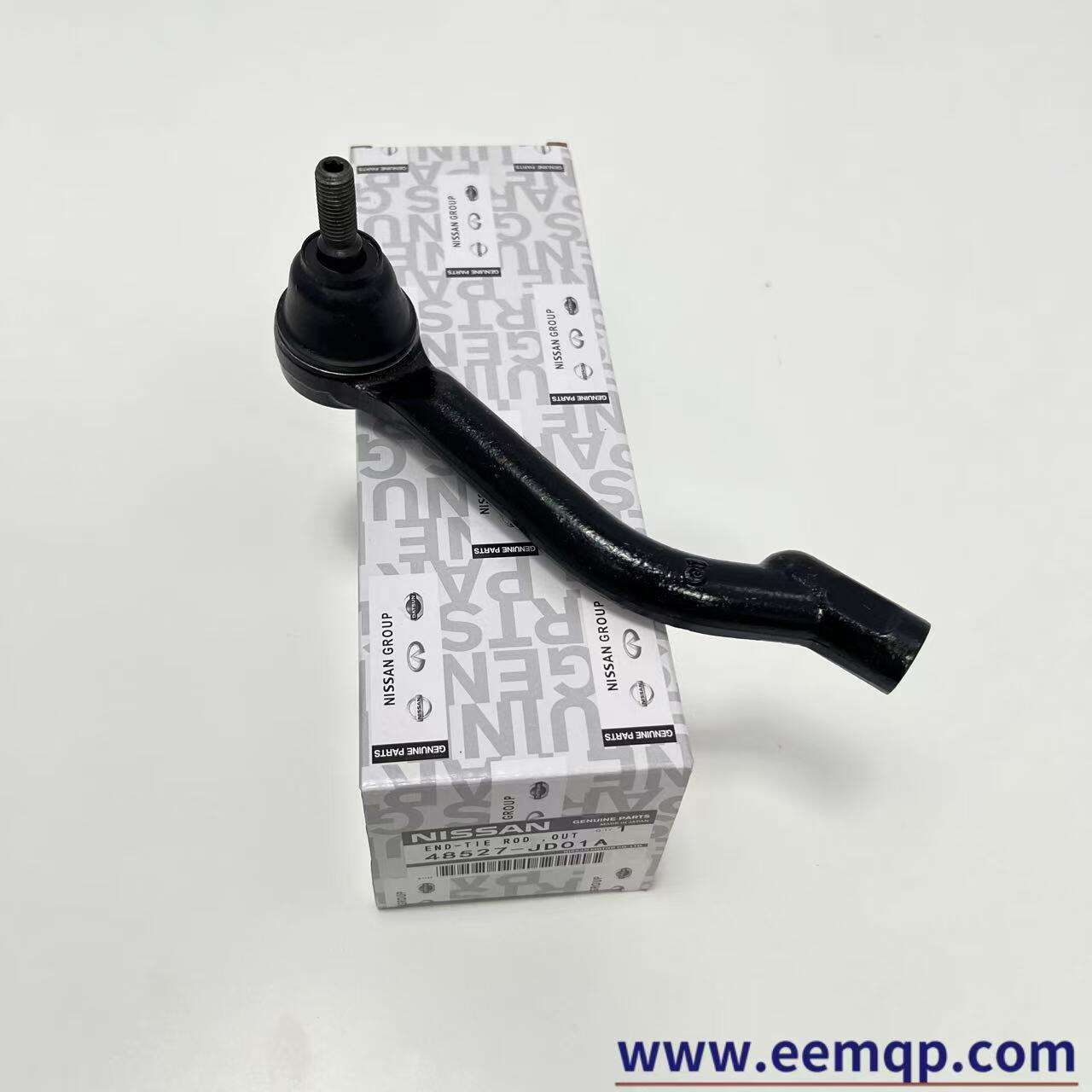
Understanding China's Automotive Parts Manufacturing Landscape
Market Structure and Key Manufacturing Hubs
China's automotive parts manufacturing sector is concentrated in several key regions, each specializing in different types of components. The Yangtze River Delta region, including cities like Shanghai and Suzhou, focuses heavily on precision components and electronic parts. Meanwhile, the Pearl River Delta in Guangdong province excels in producing exterior accessories and aftermarket modifications. Understanding these regional specializations is crucial when sourcing specific Nissan components, as it allows buyers to target manufacturers with the most relevant expertise and capabilities.
The manufacturing landscape includes both state-owned enterprises and private manufacturers, ranging from large-scale operations serving original equipment manufacturers to smaller facilities focused exclusively on aftermarket parts. Many Chinese manufacturers have invested heavily in modern production equipment and quality management systems, particularly those serving international markets. This diversification provides buyers with multiple sourcing options, but it also requires careful evaluation to identify suppliers that meet specific quality and reliability standards.
Quality Standards and Certification Requirements
Quality assurance remains a primary concern when sourcing automotive parts from China. Reputable manufacturers typically hold international certifications such as ISO/TS 16949, which specifically addresses automotive quality management systems. These certifications demonstrate a manufacturer's commitment to consistent quality and continuous improvement processes. Additionally, many Chinese suppliers have obtained certifications from major automotive brands, indicating their ability to meet stringent original equipment specifications.
The certification landscape also includes product-specific standards such as ECE regulations for European markets and DOT standards for North American applications. When evaluating potential suppliers for Nissan auto parts wholesale in China, buyers should verify that manufacturers maintain current certifications relevant to their target markets. This verification process helps ensure that purchased components will meet regulatory requirements and perform reliably in end-use applications.
Strategic Supplier Selection and Due Diligence
Evaluating Manufacturing Capabilities
Successful sourcing requires thorough evaluation of potential suppliers' manufacturing capabilities and capacity. Site visits remain the gold standard for assessing production facilities, quality control processes, and overall operational sophistication. During these visits, buyers should examine equipment condition, cleanliness standards, inventory management systems, and employee training programs. These factors provide valuable insights into a manufacturer's ability to consistently produce high-quality parts and maintain reliable delivery schedules.
Production capacity assessment should consider both current output levels and scalability potential. Many Chinese manufacturers can quickly expand production to meet increasing demand, but this capability varies significantly between facilities. Understanding a supplier's capacity constraints and expansion capabilities helps prevent future supply disruptions as business relationships develop. Additionally, evaluating backup production capabilities and contingency planning demonstrates a supplier's commitment to maintaining consistent service levels.
Financial Stability and Business Practices
Financial due diligence plays a crucial role in supplier selection, particularly when establishing long-term partnerships. Requesting financial statements, credit reports, and banking references helps assess a supplier's financial stability and business reputation. Many established Chinese manufacturers maintain transparent financial records and welcome scrutiny from potential international partners. This transparency often indicates professional business practices and reduces risks associated with supplier insolvency or operational disruptions.
Business practice evaluation should also include assessment of intellectual property policies, environmental compliance, and labor practices. Reputable suppliers typically maintain clear policies regarding proprietary designs and respect intellectual property rights. Environmental compliance becomes increasingly important as regulatory standards tighten globally, making it essential to verify that suppliers meet relevant environmental management requirements. These factors contribute to long-term partnership sustainability and risk mitigation.
Pricing Strategies and Negotiation Approaches
Understanding Cost Structure Components
Effective pricing negotiations require understanding the various components that contribute to wholesale part costs in China. Raw material costs represent a significant portion of total production expenses, and these costs fluctuate based on global commodity markets. Labor costs, while traditionally low in China, have increased substantially in recent years, particularly in developed manufacturing regions. Understanding these cost dynamics helps buyers develop realistic pricing expectations and negotiate more effectively with suppliers.
Manufacturing overhead, including facility costs, equipment depreciation, and regulatory compliance expenses, also impacts final pricing. Many Chinese manufacturers have invested heavily in automation and quality management systems, which may increase short-term costs but provide long-term value through improved consistency and reduced defect rates. When evaluating pricing proposals, buyers should consider these value-added investments rather than focusing solely on lowest-cost options.
Volume-Based Pricing and Long-Term Agreements
Volume commitments typically provide the most effective leverage for achieving competitive pricing on Nissan auto parts wholesale in China. Chinese manufacturers generally offer significant discounts for larger order quantities, as this helps them achieve economies of scale and improve production planning efficiency. However, buyers must balance volume commitments against inventory carrying costs and market demand uncertainty. Establishing minimum annual volume commitments with quarterly flexibility often provides an optimal balance between pricing advantages and operational flexibility.
Long-term supply agreements can provide additional pricing stability and preferred supplier status. These agreements typically include price adjustment mechanisms based on raw material costs and inflation indices, providing predictability for both parties. Many successful buyers develop multi-year partnerships that include annual price negotiations within predetermined parameters, ensuring continued competitiveness while maintaining supplier relationships.
Quality Control and Inspection Protocols
Implementing Comprehensive Testing Procedures
Establishing robust quality control procedures is essential for maintaining consistent part quality when sourcing from Chinese suppliers. Pre-production samples should undergo comprehensive testing to verify dimensional accuracy, material properties, and functional performance. This testing phase allows buyers to identify potential issues before committing to large-scale production runs. Many buyers establish dedicated quality control teams or engage third-party inspection services to ensure objective evaluation of supplier capabilities and output quality.
In-process inspection protocols help maintain quality standards throughout production cycles. These protocols typically include raw material verification, dimensional checks at key production stages, and final inspection procedures. Establishing clear quality specifications and inspection criteria prevents misunderstandings and provides objective standards for acceptance or rejection decisions. Regular communication with suppliers regarding quality performance helps maintain continuous improvement and prevents quality degradation over time.
Managing Quality Documentation and Traceability
Comprehensive documentation systems enable effective quality management and facilitate problem resolution when issues arise. Certificate of compliance documentation should accompany all shipments, providing verification that parts meet specified requirements. Material certifications, dimensional inspection reports, and functional test results provide traceability and support warranty claims when necessary. Many sophisticated buyers require suppliers to maintain electronic quality records that can be accessed remotely for audit purposes.
Lot traceability systems become particularly important for safety-critical components where recalls or field failures may occur. Establishing clear lot identification and tracking procedures ensures that affected parts can be quickly identified and isolated if problems develop. This traceability capability protects both buyers and end customers while demonstrating professional quality management practices to regulatory authorities and insurance providers.
Logistics and Supply Chain Management
Shipping and Transportation Considerations
Effective logistics planning is crucial for managing costs and delivery schedules when importing automotive parts from China. Ocean freight remains the most cost-effective shipping method for large volumes, but buyers must account for longer transit times and potential port congestion delays. Air freight provides faster delivery but at significantly higher costs, making it suitable primarily for urgent orders or high-value lightweight components. Understanding these trade-offs helps optimize shipping decisions based on inventory requirements and customer delivery expectations.
Packaging requirements play an important role in protecting parts during international shipment and reducing damage claims. Chinese suppliers generally provide adequate packaging for ocean freight, but buyers should specify requirements for specialized components that require additional protection. Consolidation services offered by many freight forwarders can help smaller buyers achieve better shipping rates by combining multiple supplier shipments into single containers.
Customs and Regulatory Compliance
Import regulations and customs procedures vary significantly between countries and require careful attention to ensure smooth clearance processes. Proper documentation including commercial invoices, packing lists, and certificates of origin must be accurate and complete to prevent delays or penalties. Many buyers engage experienced customs brokers who understand automotive parts classification and can navigate complex regulatory requirements effectively.
Tariff classifications and duty rates impact total landed costs and should be considered during supplier selection and pricing negotiations. Some countries offer preferential duty rates for parts imported from China under specific trade agreements, while others may impose additional tariffs on certain automotive components. Understanding these regulatory factors helps buyers develop accurate cost projections and competitive pricing strategies for their end customers.
Risk Management and Contingency Planning
Diversification Strategies and Backup Suppliers
Supply chain risk management requires developing diversification strategies that reduce dependence on single suppliers or geographic regions. Establishing relationships with multiple qualified suppliers for critical components provides backup options when primary suppliers experience capacity constraints or operational disruptions. This diversification approach requires additional management overhead but provides essential protection against supply interruptions that could impact customer service levels.
Geographic diversification within China can also provide risk mitigation benefits, as different regions may be affected differently by natural disasters, regulatory changes, or economic disruptions. Maintaining supplier relationships in multiple provinces provides flexibility to shift production when regional issues arise. Many experienced buyers maintain detailed supplier databases that include capacity information, alternate contact methods, and contingency production capabilities.
Currency Risk and Payment Terms
Currency fluctuation risk represents a significant financial consideration when conducting business with Chinese suppliers. The Chinese yuan's value relative to other currencies can impact pricing competitiveness and profit margins over time. Many buyers establish currency hedging programs or negotiate pricing adjustment mechanisms to manage this risk. Some suppliers offer pricing in multiple currencies, providing buyers with options to optimize their exposure based on market conditions.
Payment terms negotiation balances cash flow considerations against relationship building and risk management objectives. Letter of credit arrangements provide security for both parties but involve additional banking fees and documentation requirements. Many established relationships operate on open account terms with payment schedules that align with cash flow patterns and seasonal business cycles. Understanding Chinese banking holidays and processing times helps prevent payment delays that could strain supplier relationships.
FAQ
How can I verify the authenticity and quality of Nissan parts from Chinese suppliers
Authenticity verification requires multiple approaches including supplier certification checks, sample testing, and reference verification from existing customers. Request documentation of any official Nissan supplier relationships or certifications, and conduct dimensional and material testing on samples before placing large orders. Third-party inspection services can provide objective quality assessments, while visiting manufacturing facilities allows direct evaluation of production processes and quality control systems.
What are the typical minimum order quantities for wholesale Nissan parts in China
Minimum order quantities vary significantly based on part complexity, tooling requirements, and supplier policies. Simple components like filters or gaskets may have minimums of 100-500 pieces, while complex machined parts could require 1000+ pieces per order. Many suppliers offer flexibility for initial orders to allow market testing, with expectations of larger volumes for ongoing business relationships. Discussing volume projections during initial negotiations helps establish appropriate minimum order requirements.
How do I handle warranty claims and returns with Chinese automotive parts suppliers
Establishing clear warranty terms and return procedures before placing orders prevents complications when issues arise. Most reputable suppliers offer warranty periods of 12-24 months for automotive parts, with specific coverage terms detailed in supply agreements. Document all quality issues with photos and detailed descriptions, and maintain open communication channels with suppliers to resolve problems quickly. Many suppliers maintain local representatives or service centers that can facilitate faster resolution of warranty claims.
What should I consider when evaluating long-term partnerships with Chinese parts manufacturers
Long-term partnership evaluation should assess supplier stability, growth capacity, innovation capabilities, and cultural compatibility. Review financial stability indicators, production capacity expansion plans, and investment in new technology or quality improvements. Evaluate communication effectiveness, responsiveness to issues, and willingness to adapt to changing requirements. Successful partnerships often include regular business reviews, joint improvement initiatives, and mutual investment in relationship development activities.
Table of Contents
- Understanding China's Automotive Parts Manufacturing Landscape
- Strategic Supplier Selection and Due Diligence
- Pricing Strategies and Negotiation Approaches
- Quality Control and Inspection Protocols
- Logistics and Supply Chain Management
- Risk Management and Contingency Planning
-
FAQ
- How can I verify the authenticity and quality of Nissan parts from Chinese suppliers
- What are the typical minimum order quantities for wholesale Nissan parts in China
- How do I handle warranty claims and returns with Chinese automotive parts suppliers
- What should I consider when evaluating long-term partnerships with Chinese parts manufacturers