 EN
EN

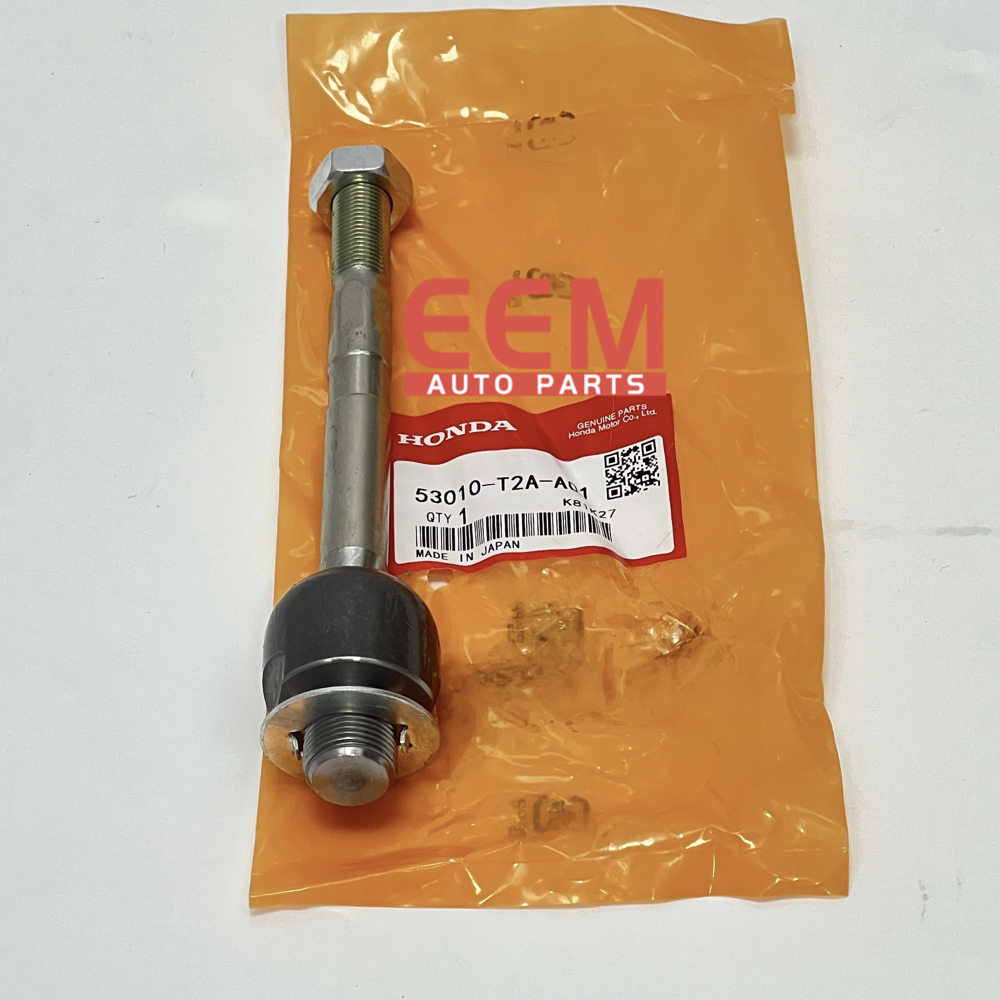
The global automotive industry has witnessed a dramatic transformation over the past two decades, with China emerging as a dominant force in automotive parts manufacturing. What once carried skepticism about quality has evolved into a reputation for innovation, precision, and exceptional value. Today, auto parts factories in China supply components to virtually every major automotive brand worldwide, from luxury European vehicles to mass-market American trucks. This shift represents not just a change in manufacturing geography, but a fundamental evolution in how the automotive supply chain operates on a global scale.
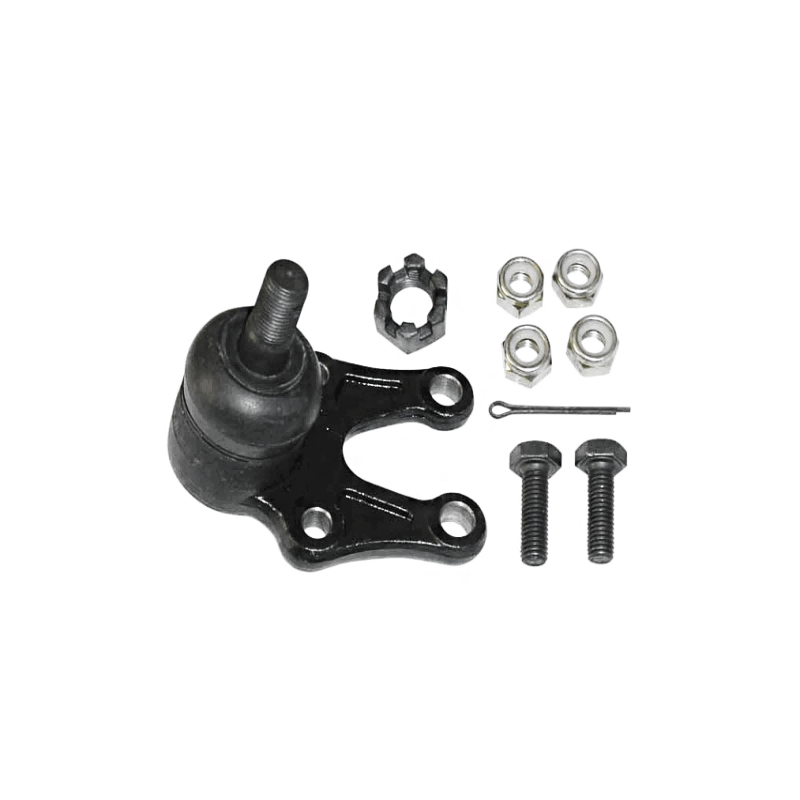
Evolution of Chinese Automotive Manufacturing Excellence
From Basic Components to Advanced Systems
The journey of Chinese automotive parts manufacturing began in the 1980s with basic components like fasteners and simple metal stampings. However, the landscape changed dramatically as foreign investment poured into the country and technology transfer agreements brought cutting-edge manufacturing processes to Chinese facilities. Modern auto parts factories in China now produce sophisticated electronic control units, precision-engineered transmission components, and advanced safety systems that meet or exceed international quality standards.
This evolution has been driven by significant investments in research and development, with Chinese manufacturers allocating substantial resources to innovation centers and testing facilities. The integration of Industry 4.0 technologies, including automated production lines, artificial intelligence-driven quality control, and predictive maintenance systems, has elevated Chinese manufacturing capabilities to world-class levels. These technological advancements have enabled Chinese factories to achieve remarkable consistency and reliability in their output.
Quality Certification and International Standards
One of the most significant developments in Chinese automotive parts manufacturing has been the widespread adoption of international quality management systems. Most reputable manufacturers have obtained ISO 9001, TS 16949, and other industry-specific certifications that demonstrate their commitment to quality excellence. These certifications require rigorous documentation processes, continuous improvement protocols, and regular third-party audits that ensure consistent quality standards.
The implementation of Six Sigma methodologies and lean manufacturing principles has further enhanced quality outcomes. Chinese manufacturers have embraced statistical process control, failure mode and effects analysis, and other quality management tools that were once exclusive to premium automotive suppliers. This systematic approach to quality has resulted in defect rates that often surpass those of traditional automotive manufacturing regions.
Technological Innovation and Advanced Manufacturing Capabilities
State-of-the-Art Production Technologies
Chinese automotive parts manufacturers have invested heavily in advanced manufacturing technologies that rival the most sophisticated facilities anywhere in the world. Modern factories feature computer numerical control machinery, robotic assembly systems, and precision measuring equipment that ensures dimensional accuracy within micrometers. These technological capabilities enable the production of complex components that require extremely tight tolerances and consistent performance characteristics.
The adoption of additive manufacturing technologies has opened new possibilities for rapid prototyping and low-volume production runs. Chinese manufacturers can now produce custom components and prototype parts with lead times that were previously unimaginable. This flexibility has made them attractive partners for automotive companies developing new models or seeking specialized components for niche applications.
Research and Development Initiatives
The commitment to innovation extends beyond manufacturing processes to encompass product development and engineering capabilities. Many Chinese automotive parts companies have established dedicated research centers staffed by experienced engineers and equipped with advanced testing facilities. These centers focus on developing next-generation components that incorporate emerging technologies such as electric vehicle systems, autonomous driving sensors, and connectivity solutions.
Collaboration with universities and international research institutions has accelerated innovation cycles and brought fresh perspectives to product development. Chinese manufacturers actively participate in joint research projects, technology licensing agreements, and knowledge sharing initiatives that keep them at the forefront of automotive technology trends. This collaborative approach has resulted in breakthrough innovations that benefit the entire global automotive industry.
Economic Advantages and Value Proposition
Cost Competitiveness Without Quality Compromise
The primary attraction of sourcing from auto parts factories in China continues to be the exceptional value proposition they offer. Through efficient manufacturing processes, economies of scale, and optimized supply chain management, Chinese manufacturers can deliver high-quality components at prices that are often 20-40% lower than comparable products from other regions. This cost advantage does not come at the expense of quality, thanks to the technological and process improvements implemented over the years.
The availability of skilled labor at competitive wage rates has enabled Chinese manufacturers to maintain labor-intensive processes while investing in automation where it provides the greatest benefit. This balanced approach allows for flexibility in production methods and the ability to scale operations quickly in response to market demand fluctuations. The result is a manufacturing ecosystem that can adapt to changing requirements while maintaining cost efficiency.
Supply Chain Integration and Efficiency
China's automotive parts manufacturing sector benefits from a highly integrated supply chain that encompasses raw materials, component suppliers, and finished goods logistics. This integration reduces lead times, minimizes inventory requirements, and provides greater supply chain visibility for automotive manufacturers. The concentration of suppliers in industrial clusters creates synergies that further enhance efficiency and reduce overall system costs.
The development of sophisticated logistics networks has streamlined the movement of components from factories to assembly plants worldwide. Chinese manufacturers have invested in modern warehousing facilities, inventory management systems, and transportation partnerships that ensure reliable delivery schedules. This logistical capability has become increasingly important as automotive manufacturers adopt just-in-time production strategies that require precise timing of component deliveries.
Global Impact and Market Transformation
Reshaping International Automotive Supply Chains
The rise of Chinese automotive parts manufacturing has fundamentally altered global supply chain strategies across the automotive industry. Major automotive manufacturers have restructured their supplier networks to incorporate Chinese partners, recognizing the strategic advantages of accessing this manufacturing capability. This shift has created new competitive dynamics that have benefited consumers through lower vehicle costs and improved component availability.
The global reach of Chinese manufacturers has expanded through strategic partnerships, joint ventures, and international acquisitions. Many Chinese companies have established manufacturing facilities in other countries, bringing their technological capabilities and cost-effective production methods to new markets. This expansion has created a truly global manufacturing network that serves automotive companies across all major markets.
Environmental Sustainability and Social Responsibility
Modern Chinese automotive parts manufacturers have embraced environmental sustainability as a core business principle, implementing green manufacturing practices that reduce waste, minimize energy consumption, and lower carbon emissions. Many facilities have achieved carbon neutrality through renewable energy adoption, waste reduction programs, and efficient resource utilization. These environmental initiatives align with global trends toward sustainable manufacturing and corporate social responsibility.
The commitment to social responsibility extends to worker safety, community development, and ethical business practices. Chinese manufacturers have implemented comprehensive safety programs, invested in employee training and development, and contributed to local community initiatives. This holistic approach to corporate responsibility has enhanced their reputation and strengthened relationships with international partners who prioritize sustainable supply chain practices.
Future Outlook and Emerging Trends
Electric Vehicle Component Manufacturing
The transition toward electric vehicles presents new opportunities for Chinese automotive parts manufacturers to leverage their technological capabilities and manufacturing expertise. Battery systems, electric motors, power electronics, and charging infrastructure components represent significant growth areas where Chinese manufacturers are already establishing leadership positions. The combination of government support, technological innovation, and manufacturing scale positions China to become the dominant supplier of electric vehicle components globally.
Investment in battery technology research and manufacturing capacity has created a competitive advantage that extends beyond the Chinese market. Chinese battery manufacturers are supplying components to automotive companies worldwide, demonstrating the quality and reliability that international partners demand. This success in electric vehicle components validates the broader capabilities of Chinese automotive parts manufacturing and suggests continued growth in market share.
Digital Transformation and Smart Manufacturing
The integration of digital technologies into manufacturing processes represents the next phase of evolution for Chinese automotive parts factories. Internet of Things sensors, artificial intelligence algorithms, and cloud-based analytics platforms are being deployed to optimize production efficiency, predict maintenance requirements, and ensure quality consistency. These smart manufacturing initiatives are creating new competitive advantages and setting the stage for further market expansion.
The development of digital twin technology allows manufacturers to simulate production processes, test design modifications, and optimize operations before implementing changes on the factory floor. This capability reduces development time, minimizes risk, and enables continuous improvement in manufacturing performance. Chinese manufacturers are at the forefront of adopting these advanced technologies, ensuring their continued competitiveness in the global market.
FAQ
What quality standards do Chinese auto parts manufacturers follow?
Chinese auto parts manufacturers adhere to internationally recognized quality standards including ISO 9001, TS 16949, and various OEM-specific requirements. Most reputable factories implement comprehensive quality management systems that include statistical process control, regular audits, and continuous improvement programs. These standards ensure that components meet or exceed the quality requirements of automotive manufacturers worldwide.
How do Chinese manufacturers ensure consistent delivery schedules?
Chinese automotive parts manufacturers maintain reliable delivery schedules through sophisticated supply chain management systems, strategic inventory positioning, and strong logistics partnerships. Many factories use advanced planning software to coordinate production schedules with shipping requirements, while backup suppliers and flexible manufacturing capabilities provide contingency options for unexpected demand changes or supply disruptions.
What types of automotive components can Chinese factories produce?
Modern Chinese automotive parts factories can produce virtually any component required by the automotive industry, from basic fasteners and brackets to complex electronic control modules and precision-machined engine components. Their capabilities span mechanical parts, electrical systems, interior components, exterior panels, and increasingly sophisticated electronic and software-integrated components for modern vehicles.
How do Chinese auto parts compare in terms of innovation and technology?
Chinese automotive parts manufacturers have made significant investments in research and development, resulting in innovative products that incorporate the latest automotive technologies. Many Chinese companies collaborate with international research institutions and maintain dedicated innovation centers that develop next-generation components. Their technological capabilities now rival those of traditional automotive suppliers in established markets, particularly in emerging areas such as electric vehicle components and connectivity solutions.