 EN
EN

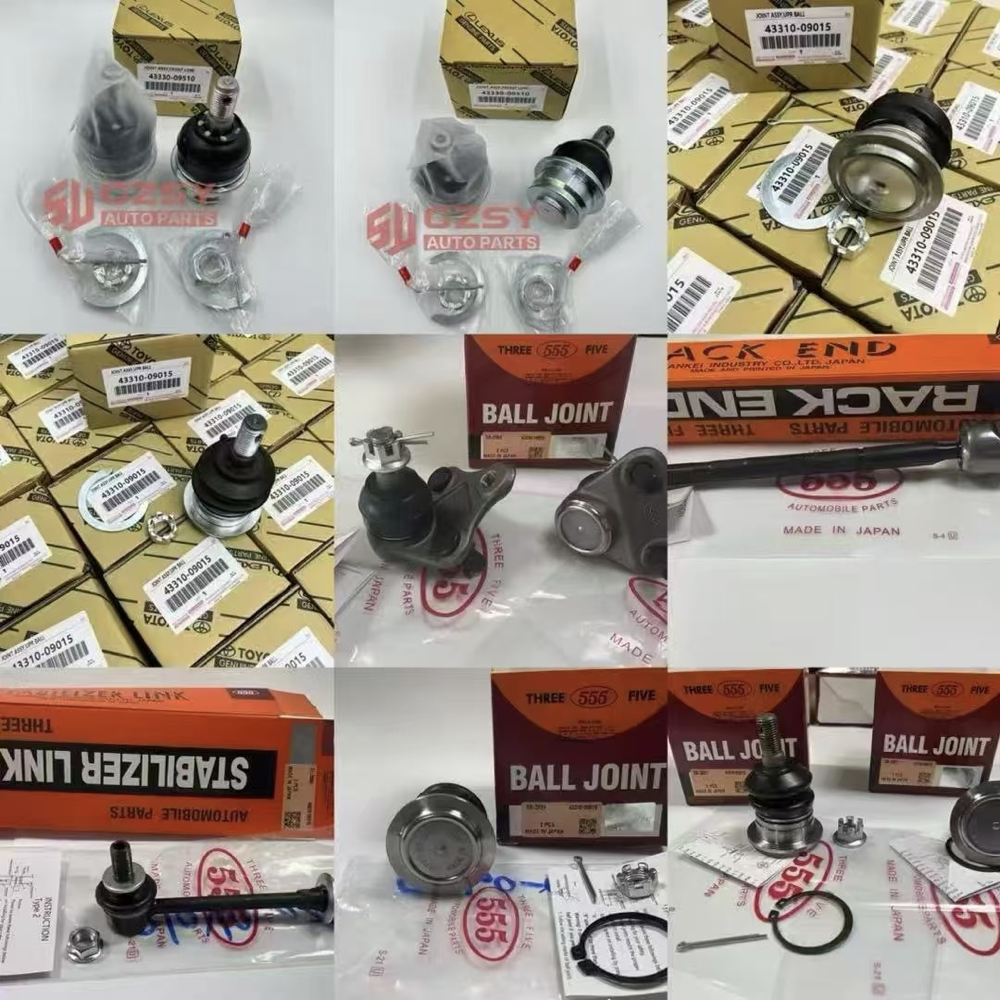
The global automotive aftermarket continues to expand rapidly, with businesses worldwide seeking reliable sources for high-quality replacement components. When it comes to Nissan auto parts wholesale in China, the market presents unprecedented opportunities for cost savings without compromising on quality standards. Chinese manufacturers have established themselves as leading suppliers in the automotive parts industry, offering comprehensive catalogs of genuine and aftermarket components that meet or exceed OEM specifications.
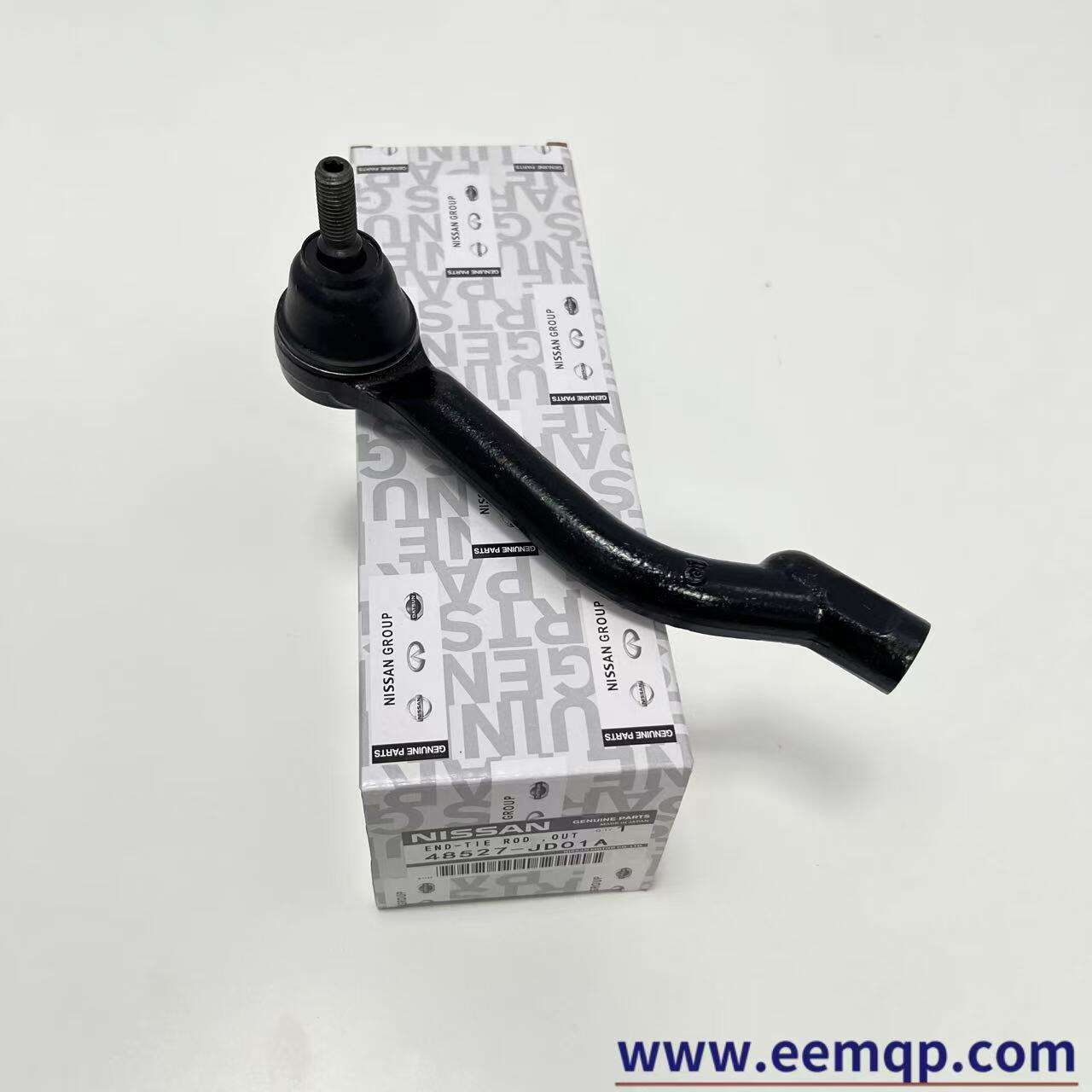
Understanding the dynamics of wholesale automotive parts procurement requires careful consideration of supplier capabilities, quality certifications, and logistical frameworks. Chinese suppliers have invested heavily in advanced manufacturing technologies and quality control systems to serve international markets effectively. The competitive pricing structure combined with stringent quality assurance processes makes China an attractive destination for automotive parts sourcing strategies.
Market Landscape and Manufacturing Excellence
Industrial Infrastructure Development
China's automotive parts manufacturing sector has undergone significant transformation over the past two decades, establishing world-class production facilities equipped with state-of-the-art machinery and testing equipment. Major manufacturing hubs in regions like Guangdong, Jiangsu, and Zhejiang provinces house numerous specialized facilities dedicated to producing Nissan-compatible components. These manufacturing centers benefit from robust supply chain networks, skilled labor forces, and proximity to raw material sources that contribute to competitive pricing advantages.
The integration of advanced technologies such as computer-controlled machining, automated assembly lines, and precision testing equipment ensures consistent product quality across large production volumes. Many Chinese manufacturers have obtained international certifications including ISO 9001, TS 16949, and other automotive industry standards that validate their commitment to quality excellence. This technological advancement enables them to produce components that meet stringent OEM specifications while maintaining cost-effectiveness.
Quality Assurance Protocols
Reputable wholesale suppliers implement comprehensive quality management systems that encompass raw material inspection, in-process monitoring, and final product testing procedures. These protocols ensure that every component meets specified dimensional tolerances, material properties, and performance characteristics before shipment to international customers. Statistical process control methods and Six Sigma principles are increasingly adopted to minimize defect rates and improve overall manufacturing efficiency.
Third-party testing and certification services provide additional validation of product quality, with many suppliers maintaining relationships with internationally recognized testing laboratories. This independent verification process builds confidence among overseas buyers and demonstrates commitment to maintaining high standards throughout the production process. Regular audits and continuous improvement initiatives further strengthen quality assurance capabilities.
Product Categories and Specifications
Engine and Powertrain Components
Chinese wholesale suppliers offer extensive catalogs of engine-related parts including pistons, connecting rods, crankshafts, camshafts, and valve train components designed for various Nissan engine families. These precision-engineered parts undergo rigorous testing to ensure proper fit, durability, and performance characteristics that match or exceed original equipment specifications. Advanced metallurgy and surface treatment technologies contribute to enhanced wear resistance and extended service life.
Transmission components represent another significant category, encompassing clutch assemblies, torque converters, planetary gear sets, and electronic control modules for both manual and automatic transmission systems. The complexity of modern transmission designs requires sophisticated manufacturing capabilities and precise quality control measures that leading Chinese suppliers have successfully developed to serve international markets effectively.
Suspension and Steering Systems
Suspension components such as shock absorbers, struts, springs, and control arms are manufactured using advanced materials and engineering techniques that ensure optimal ride quality and handling characteristics. The production of these safety-critical components requires adherence to strict quality standards and comprehensive testing procedures that validate performance under various operating conditions.
Steering system components including tie rod ends, ball joints, and steering racks undergo precision manufacturing processes that ensure proper alignment, smooth operation, and long-term reliability. Many suppliers specialize in producing these components with enhanced durability features that extend service intervals and reduce maintenance requirements for end users.
Supply Chain Management and Logistics
Procurement Strategies
Effective procurement of Nissan auto parts wholesale in China requires developing strategic partnerships with reliable suppliers who demonstrate consistent quality, competitive pricing, and dependable delivery performance. Successful procurement strategies involve thorough supplier evaluation processes that assess manufacturing capabilities, quality systems, financial stability, and customer service capabilities before establishing long-term business relationships.
Risk management considerations include maintaining multiple supplier sources for critical components, establishing clear quality agreements, and implementing regular performance monitoring systems. Diversified supplier networks help mitigate potential supply chain disruptions while maintaining competitive pricing through strategic sourcing approaches that leverage market competition effectively.
International Shipping and Documentation
Logistics coordination plays a crucial role in successful wholesale parts procurement, with experienced suppliers offering comprehensive shipping services that include proper packaging, customs documentation, and delivery tracking capabilities. Understanding international trade regulations, tariff classifications, and import requirements ensures smooth customs clearance processes and timely delivery to destination markets.
Documentation requirements typically include commercial invoices, packing lists, certificates of origin, and quality certifications that facilitate customs processing and provide necessary product traceability information. Many suppliers maintain dedicated export departments staffed with experienced professionals who handle all aspects of international shipping coordination and regulatory compliance.
Cost Analysis and Value Proposition
Pricing Structure Advantages
The cost advantages associated with Chinese wholesale automotive parts stem from several factors including lower manufacturing costs, economies of scale, and efficient production processes that minimize overhead expenses. These cost benefits can translate into significant savings for international buyers while maintaining acceptable quality levels that meet market requirements and customer expectations.
Volume-based pricing structures reward larger quantity purchases with progressively better unit costs, enabling distributors and repair facilities to optimize their inventory investments while improving profit margins. Many suppliers offer flexible payment terms and quantity break points that accommodate different business models and cash flow requirements of international customers.
Total Cost of Ownership Considerations
Comprehensive cost analysis must consider factors beyond initial purchase price, including shipping expenses, customs duties, inventory carrying costs, and potential warranty implications. While Chinese parts often offer substantial initial cost savings, evaluating the complete cost structure ensures informed decision-making that aligns with business objectives and customer service requirements.
Quality-related costs such as return rates, warranty claims, and customer satisfaction impacts should be factored into total cost calculations. Reputable suppliers with strong quality track records typically demonstrate lower total cost of ownership despite potentially higher initial unit costs compared to lower-quality alternatives.
Market Trends and Future Outlook
Technology Integration
The automotive aftermarket continues evolving toward increased technology integration, with electronic components and sensors becoming more prevalent in modern vehicle systems. Chinese manufacturers are investing heavily in electronic manufacturing capabilities and software development resources to support the growing demand for sophisticated automotive electronic components and systems.
Industry 4.0 initiatives including IoT integration, predictive maintenance capabilities, and smart manufacturing processes are being implemented to improve production efficiency and product quality. These technological advancements position Chinese suppliers to meet future market demands for increasingly complex automotive components and systems.
Sustainability and Environmental Compliance
Environmental regulations and sustainability requirements are driving changes in manufacturing processes, material selection, and packaging methods throughout the automotive supply chain. Progressive Chinese suppliers are implementing green manufacturing practices, renewable energy utilization, and waste reduction initiatives that align with global environmental standards and customer sustainability objectives.
Circular economy principles including component recycling, remanufacturing programs, and sustainable material sourcing are gaining importance in the automotive aftermarket. Suppliers who embrace these principles position themselves advantageously for future market opportunities while contributing to environmental protection goals.
FAQ
How can I verify the quality of wholesale Nissan parts from Chinese suppliers?
Quality verification involves multiple approaches including requesting product certifications, conducting supplier facility audits, obtaining sample parts for testing, and checking references from existing customers. Look for suppliers with ISO certifications, third-party quality validation, and transparent quality documentation processes.
What are typical minimum order quantities for wholesale purchases?
Minimum order quantities vary by supplier and product type, typically ranging from 50 to 500 pieces per part number for standard components. Many suppliers offer mixed container loading options that allow combining different parts to meet minimum quantity requirements while optimizing shipping costs.
How long does shipping typically take from China to international destinations?
Shipping times depend on transportation method and destination, with sea freight typically requiring 15-35 days and air freight taking 3-7 days. Express shipping options are available for urgent orders but involve higher costs. Suppliers often provide tracking information and delivery estimates based on specific shipping methods and destinations.
What warranty coverage is available for wholesale automotive parts?
Warranty terms vary by supplier and product category, typically ranging from 12 to 24 months for standard components. Reputable suppliers offer clear warranty policies that cover manufacturing defects and provide replacement procedures for defective parts. Always review warranty terms and claim procedures before finalizing purchase agreements.