 EN
EN

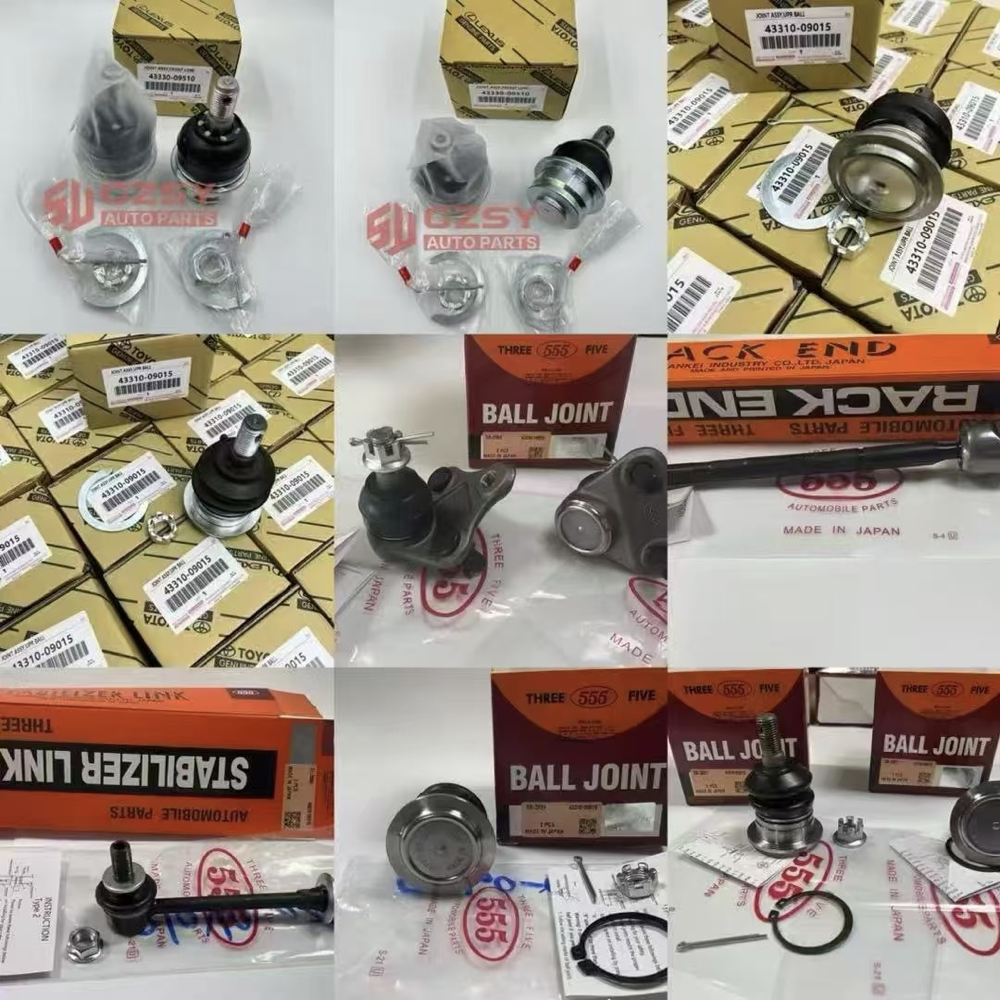
Navigating the complex landscape of automotive part manufacturing requires careful attention to certification requirements, especially when sourcing from an auto parts factory in China for export to the United States. The American automotive market demands strict compliance with federal safety standards, environmental regulations, and quality control measures that directly impact your ability to import and distribute automotive components successfully.
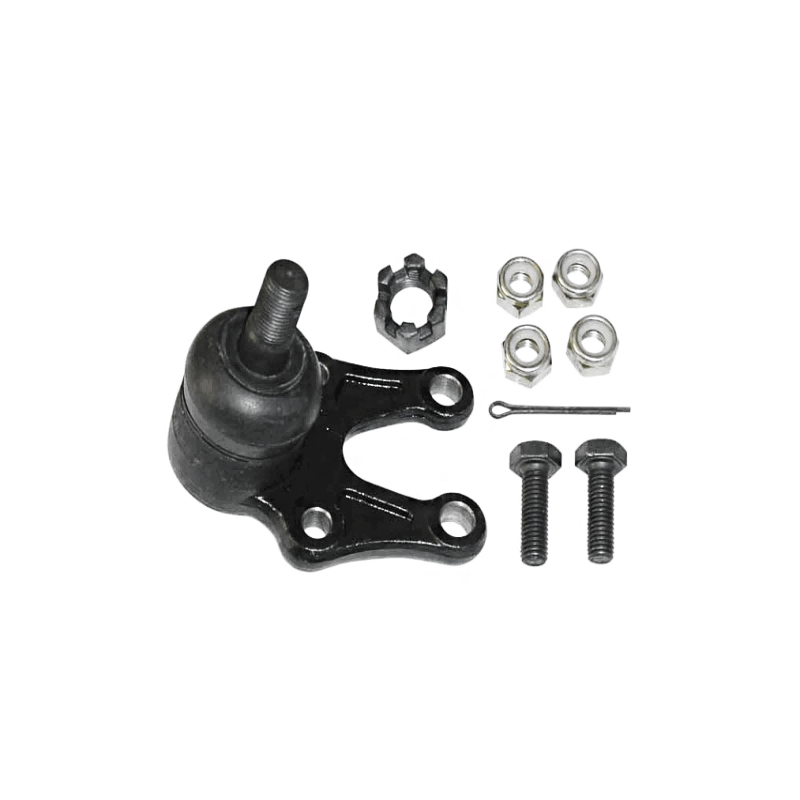
Understanding which certifications are absolutely essential before partnering with any auto parts factory in China can save importers from costly regulatory violations, product recalls, and market access denials. These five critical certifications represent the fundamental compliance framework that ensures your Chinese-manufactured automotive components meet US federal requirements and maintain competitive viability in the American marketplace.
Federal Motor Vehicle Safety Standards Certification Requirements
FMVSS Compliance Documentation Standards
Every auto parts factory in China manufacturing components destined for US vehicles must demonstrate compliance with Federal Motor Vehicle Safety Standards administered by the National Highway Traffic Safety Administration. These standards cover critical safety systems including braking components, lighting assemblies, seat belt mechanisms, and structural elements that directly affect occupant protection and vehicle operational safety.
The certification process requires comprehensive testing documentation that proves each component meets specific FMVSS requirements relevant to its automotive application. Factories must maintain detailed test reports, material specifications, and quality control procedures that demonstrate consistent compliance with applicable safety standards throughout their manufacturing processes.
An auto parts factory in China seeking US market access must establish formal quality management systems that track FMVSS compliance from raw material procurement through final product inspection. This includes maintaining traceability records that allow for rapid identification and response to potential safety issues that might trigger regulatory investigations or recall actions.
Third-Party Testing and Validation Requirements
Independent testing verification represents a crucial element of FMVSS compliance that distinguishes reputable manufacturers from facilities lacking proper oversight capabilities. Qualified third-party laboratories must conduct standardized testing protocols that validate component performance under specified safety criteria, providing objective evidence of regulatory compliance.
These testing requirements extend beyond basic functionality assessments to include durability testing, environmental stress evaluation, and failure mode analysis that ensures components maintain safety performance throughout their expected service life. The auto parts factory in China must coordinate with accredited testing facilities to generate comprehensive validation data supporting their compliance claims.
Documentation from recognized testing laboratories provides essential evidence during customs clearance procedures and regulatory audits, demonstrating that imported components meet established safety requirements without requiring additional verification testing by US authorities.
Environmental Protection Agency Emissions Certification
EPA Engine Component Certification Standards
Components affecting vehicle emissions systems require specific Environmental Protection Agency certification that validates their impact on air quality and environmental protection objectives. Any auto parts factory in China manufacturing exhaust system components, catalytic converters, fuel system parts, or engine management sensors must demonstrate EPA compliance through rigorous testing and documentation procedures.
The EPA certification process evaluates how aftermarket or replacement parts affect vehicle emissions performance compared to original equipment specifications. Manufacturers must provide detailed engineering analysis and testing data that proves their components maintain or improve emissions control effectiveness without compromising environmental compliance.
This certification becomes particularly critical for performance-oriented components where modifications might inadvertently increase emissions output beyond legal limits. The auto parts factory in China must work closely with EPA-approved testing facilities to validate emissions impact across diverse vehicle applications and operating conditions.
California Air Resources Board Compliance
California maintains stricter emissions standards than federal requirements, necessitating additional certification for components sold in CARB states. An auto parts factory in China must obtain specific CARB executive orders for emissions-related components, ensuring compliance with California's advanced environmental protection requirements.
CARB certification involves extensive testing protocols that evaluate component performance under California-specific driving conditions and environmental factors. The certification process requires detailed documentation of manufacturing processes, quality control procedures, and ongoing compliance monitoring systems that maintain certification validity throughout product lifecycles.
These requirements affect market access for nearly forty percent of the US automotive market, making CARB compliance essential for maximizing distribution opportunities and avoiding regulatory enforcement actions that could restrict product sales in major metropolitan markets.
International Organization for Standardization Quality Certifications
ISO 9001 Quality Management System Certification
ISO 9001 certification represents the fundamental quality management framework that demonstrates an auto parts factory in China maintains systematic approaches to quality control, customer satisfaction, and continuous improvement processes. This certification provides assurance that manufacturing operations follow internationally recognized quality management principles.
The certification process requires comprehensive documentation of quality management systems, including procedures for design control, procurement management, production planning, and customer service protocols. Factories must demonstrate consistent application of quality management principles across all operational areas affecting product quality and customer satisfaction.
Regular surveillance audits ensure ongoing compliance with ISO 9001 requirements, providing confidence that quality management systems remain effective and continue evolving to address changing market requirements and customer expectations.
ISO/TS 16949 Automotive Quality Management
The automotive-specific ISO/TS 16949 certification builds upon ISO 9001 foundations to address unique quality requirements of automotive manufacturing environments. Any serious auto parts factory in China serving US markets should maintain this specialized certification that demonstrates automotive industry expertise and quality management capabilities.
This certification covers advanced quality planning, failure mode and effects analysis, statistical process control, and measurement system analysis that are essential for automotive component manufacturing. The standard requires implementation of automotive industry best practices that ensure consistent quality and reliability performance.
ISO/TS 16949 certification also demonstrates capability to meet original equipment manufacturer quality requirements, positioning the factory as a qualified supplier for both aftermarket and OEM applications that demand highest quality standards and reliability performance.
Material Safety and Chemical Composition Certifications
REACH Regulation Compliance Documentation
Although REACH represents European chemical regulation, many US importers require REACH compliance documentation as evidence of comprehensive chemical safety management. An auto parts factory in China should maintain detailed chemical composition records and safety data sheets that demonstrate responsible material selection and handling practices.
REACH compliance requires identification and assessment of chemical substances used in manufacturing processes, ensuring that potentially hazardous materials are properly controlled and documented. This includes maintaining detailed material safety data sheets and implementing appropriate handling procedures that protect worker safety and environmental quality.
These documentation requirements provide valuable evidence of manufacturing sophistication and environmental responsibility that increasingly influence purchasing decisions among quality-conscious US automotive distributors and retailers.
RoHS Directive Compliance for Electronic Components
Automotive electronic components require RoHS directive compliance that restricts hazardous substances including lead, mercury, cadmium, and specific flame retardants. Any auto parts factory in China manufacturing electronic automotive components must demonstrate RoHS compliance through comprehensive material testing and certification procedures.
RoHS compliance involves detailed material composition analysis and supplier certification that ensures all component materials meet restricted substance requirements. Manufacturing processes must incorporate appropriate controls that prevent contamination and maintain compliance throughout production operations.
This certification becomes increasingly important as automotive systems incorporate more electronic components and US markets adopt stricter environmental requirements that align with international environmental protection standards and sustainable manufacturing practices.
Product Liability and Insurance Certification Requirements
Product Liability Insurance Coverage Verification
Comprehensive product liability insurance represents essential protection for both manufacturers and importers against potential legal claims arising from component failures or safety issues. An auto parts factory in China should maintain substantial product liability coverage that provides adequate protection against potential claims and regulatory enforcement actions.
Insurance coverage must specifically address automotive component applications and provide sufficient coverage limits to handle potential recall costs, legal expenses, and damage claims that might arise from component failures. The coverage should extend to international markets and provide protection for both manufacturing defects and design-related issues.
Documentation of adequate insurance coverage provides important assurance to US importers and distributors who share liability exposure for imported automotive components, demonstrating responsible risk management practices that protect all parties in the distribution chain.
Manufacturing Process Documentation and Traceability
Comprehensive manufacturing documentation and component traceability systems enable rapid response to potential safety issues and provide essential evidence for regulatory compliance and liability protection. The auto parts factory in China must maintain detailed records that track components from raw material procurement through final customer delivery.
Traceability systems must capture critical manufacturing parameters, quality control measurements, and inspection results that enable identification of specific production batches and assessment of potential quality issues. This documentation supports rapid response to customer concerns and regulatory investigations that might arise from component performance issues.
These documentation requirements also support continuous improvement initiatives by providing detailed performance data that identifies opportunities for process optimization and quality enhancement throughout manufacturing operations.
FAQ
How long does it typically take for an auto parts factory in China to obtain all required US export certifications?
The certification timeline varies significantly based on component complexity and existing factory capabilities, but typically requires 6-12 months for comprehensive compliance. Factories with established quality management systems may complete basic certifications within 3-6 months, while facilities requiring substantial process improvements or equipment upgrades may need 12-18 months to achieve full compliance with all US requirements.
What happens if imported auto parts from China lack proper certification documentation?
Non-compliant automotive components face immediate customs detention, potential destruction orders, and significant financial penalties that can exceed the shipment value. Additionally, importers may face ongoing regulatory scrutiny, increased inspection rates, and potential exclusion from US markets until compliance issues are resolved through proper certification and documentation procedures.
Can an auto parts factory in China maintain certifications for both US and European markets simultaneously?
Yes, many sophisticated manufacturers maintain dual certification systems that address both US and European requirements, though this requires comprehensive quality management systems and additional testing protocols. The investment in dual compliance often provides competitive advantages through expanded market access and demonstrates advanced manufacturing capabilities that attract premium customers.
How often do these certifications require renewal or recertification processes?
Most certifications require annual surveillance audits with full recertification every three years, though specific requirements vary by certification body and component type. Factories must maintain continuous compliance monitoring systems and document ongoing conformance with certification requirements to avoid suspension or withdrawal of certification status during regular audit cycles.
Table of Contents
- Federal Motor Vehicle Safety Standards Certification Requirements
- Environmental Protection Agency Emissions Certification
- International Organization for Standardization Quality Certifications
- Material Safety and Chemical Composition Certifications
- Product Liability and Insurance Certification Requirements
-
FAQ
- How long does it typically take for an auto parts factory in China to obtain all required US export certifications?
- What happens if imported auto parts from China lack proper certification documentation?
- Can an auto parts factory in China maintain certifications for both US and European markets simultaneously?
- How often do these certifications require renewal or recertification processes?