 EN
EN

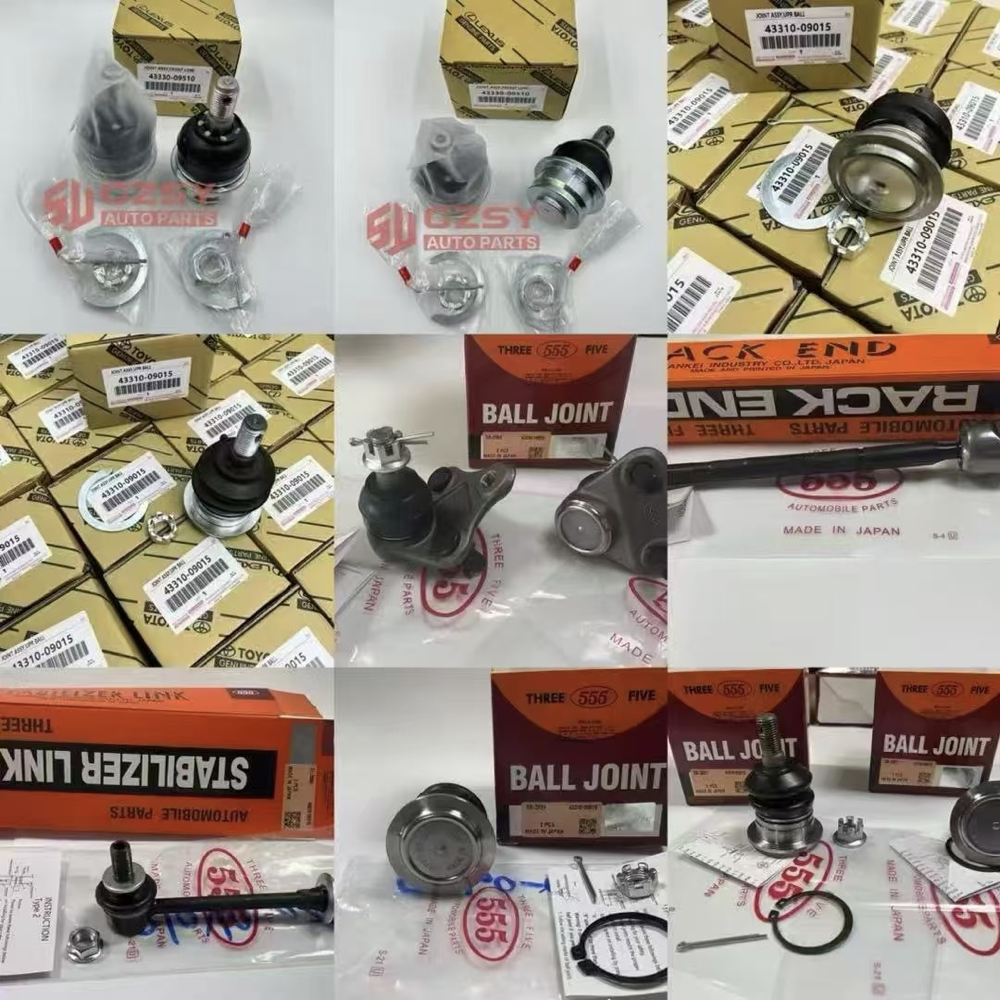
Major automakers worldwide are dramatically shifting their sourcing strategies, with a notable surge in orders for auto parts made in China specifically targeting the aftermarket segment. This strategic pivot reflects fundamental changes in how automotive manufacturers approach cost optimization, supply chain diversification, and market expansion beyond their traditional original equipment manufacturing focus.
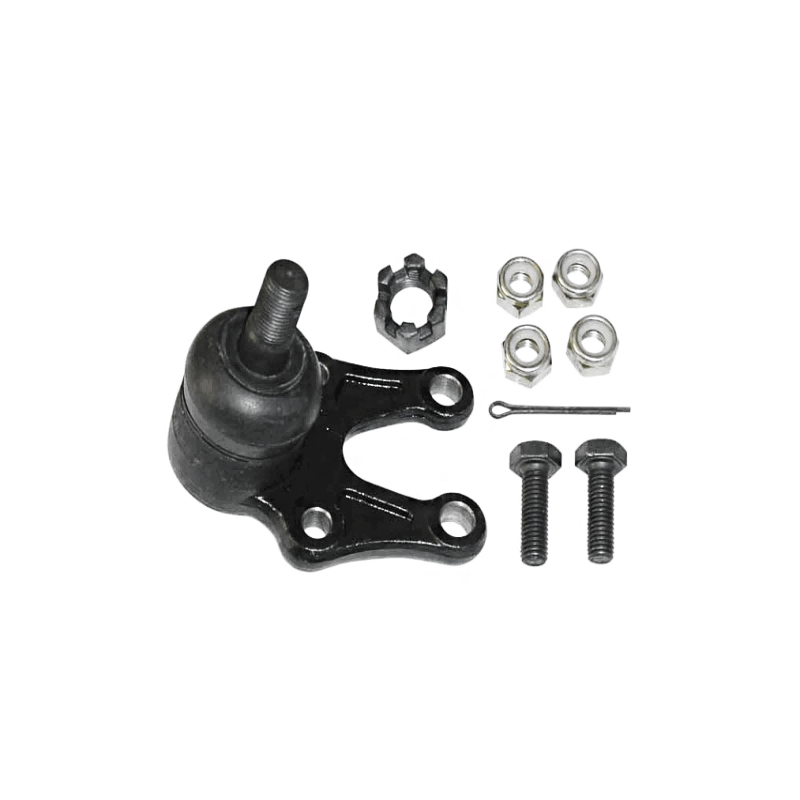
The acceleration in procurement of auto parts made in China for aftermarket applications represents more than a simple cost-cutting measure. Industry leaders recognize that Chinese manufacturing capabilities have evolved significantly, offering sophisticated production technologies, stringent quality controls, and competitive pricing structures that align perfectly with aftermarket demand patterns. This transformation has created compelling business reasons for automakers to increase their reliance on Chinese suppliers for non-original equipment components.
Cost Structure Advantages Driving Increased Procurement
Manufacturing Cost Efficiency in Chinese Production
The primary driver behind increased orders for auto parts made in China stems from significant manufacturing cost advantages that Chinese suppliers consistently deliver. Labor costs in China remain substantially lower than Western manufacturing centers, while production volumes enable economies of scale that reduce per-unit costs dramatically. These cost efficiencies translate directly into improved profit margins for automakers operating in the highly competitive aftermarket space.
Chinese manufacturing facilities have invested heavily in automation and lean production methodologies, creating operational efficiencies that compound the inherent cost advantages. Modern factories producing auto parts made in China utilize advanced robotics, precision machining centers, and integrated quality management systems that minimize waste while maximizing output consistency. This technological sophistication allows Chinese suppliers to maintain low costs without compromising production quality.
Material sourcing advantages further enhance the cost competitiveness of auto parts made in China. The integrated supply chain ecosystem within China provides ready access to raw materials, sub-components, and specialized manufacturing inputs at competitive prices. This vertical integration reduces transportation costs, minimizes inventory carrying charges, and enables just-in-time production schedules that optimize working capital requirements.
Competitive Pricing Pressures in Aftermarket Segments
Aftermarket customers demonstrate high price sensitivity, creating intense pressure on automakers to source components at the lowest possible cost while maintaining acceptable quality standards. Auto parts made in China enable manufacturers to meet these pricing expectations while preserving reasonable profit margins across their aftermarket product lines. This pricing flexibility proves essential for competing against independent aftermarket suppliers.
The aftermarket pricing environment differs substantially from original equipment sales, where customers often prioritize brand reputation over cost considerations. Aftermarket buyers frequently compare prices across multiple suppliers, making cost competitiveness a critical success factor. Chinese suppliers of auto parts made in China understand these market dynamics and structure their pricing accordingly to capture market share.
Quality Improvements and Manufacturing Capabilities
Advanced Manufacturing Technologies in Chinese Facilities
Chinese manufacturers producing auto parts made in China have invested extensively in state-of-the-art production technologies that rival or exceed capabilities found in traditional automotive manufacturing regions. Computer-controlled machining centers, precision casting equipment, and advanced metallurgy capabilities enable Chinese suppliers to manufacture complex automotive components with tight tolerances and consistent quality characteristics.
Quality management systems implemented by leading Chinese manufacturers align with international automotive standards, including ISO/TS 16949 certification requirements that major automakers demand from their suppliers. These systematic quality approaches ensure that auto parts made in China meet stringent performance specifications while maintaining consistency across large production volumes.
Testing and validation capabilities within Chinese manufacturing facilities have expanded significantly to support automotive quality requirements. Environmental testing chambers, durability testing equipment, and material analysis laboratories enable comprehensive component validation before shipment. These quality assurance investments demonstrate the commitment of Chinese suppliers to meeting automotive industry standards.
Engineering and Design Support Capabilities
Chinese suppliers producing auto parts made in China now offer comprehensive engineering support services that extend beyond basic manufacturing capabilities. Design optimization services, reverse engineering capabilities, and product development support enable automakers to collaborate effectively with Chinese suppliers throughout the product lifecycle. This technical expertise reduces development costs while accelerating time-to-market for new aftermarket products.
Materials engineering expertise within Chinese manufacturing organizations supports component optimization for specific applications. Understanding of metallurgy, polymer science, and composite materials enables Chinese suppliers to recommend material selections that optimize performance while controlling costs. This technical depth proves particularly valuable for aftermarket applications where cost-performance optimization is critical.
Supply Chain Strategic Considerations
Risk Diversification Through Geographic Distribution
Major automakers recognize that concentrating supplier bases in single geographic regions creates vulnerability to supply chain disruptions. Increasing orders for auto parts made in China represents a strategic diversification initiative designed to reduce dependency on traditional supplier regions while maintaining adequate supply security. This geographic distribution strategy proved especially valuable during recent global supply chain disruptions.
Chinese manufacturing capacity provides substantial production flexibility that supports supply chain resilience. The large number of qualified suppliers producing auto parts made in China creates multiple sourcing options for most component categories. This supplier diversity enables automakers to maintain supply continuity even when individual suppliers experience operational challenges.
Transportation infrastructure connecting Chinese manufacturing centers to global markets has improved dramatically, reducing logistics costs and delivery times. Modern port facilities, efficient customs processing, and established shipping routes enable reliable delivery of auto parts made in China to automotive distribution centers worldwide. These logistics improvements make Chinese sourcing increasingly attractive for aftermarket applications.
Capacity Scaling and Production Flexibility
Chinese suppliers demonstrate exceptional ability to scale production volumes rapidly in response to changing market demands. This production flexibility proves particularly valuable in aftermarket applications where demand patterns can fluctuate significantly based on vehicle age demographics, economic conditions, and seasonal maintenance cycles. Auto parts made in China can be produced in volumes that align precisely with market requirements.
Manufacturing flexibility extends beyond volume scaling to include product customization capabilities. Chinese suppliers can efficiently produce auto parts made in China with slight modifications to meet regional market requirements or specific customer preferences. This customization ability enables automakers to serve diverse global markets while maintaining reasonable inventory levels.
Market Expansion and Competitive Positioning
Aftermarket Growth Strategies
Automakers view the aftermarket segment as a significant growth opportunity that requires different strategic approaches compared to original equipment sales. The cost advantages associated with auto parts made in China enable competitive positioning in price-sensitive aftermarket segments while maintaining acceptable profit margins. This pricing flexibility supports market share expansion in both domestic and international markets.
Product line expansion becomes economically viable when utilizing auto parts made in China due to lower development and production costs. Automakers can justify offering comprehensive aftermarket product portfolios when sourcing costs remain competitive. This expanded product availability strengthens customer relationships and increases revenue per customer relationship.
Regional market penetration strategies benefit significantly from the cost advantages of auto parts made in China. Automakers can establish competitive pricing in developing markets where price sensitivity is particularly acute. These market entry strategies would be difficult to execute profitably using higher-cost manufacturing sources.
Competitive Response to Independent Aftermarket Suppliers
Independent aftermarket suppliers have successfully captured market share by offering competitively priced alternatives to original equipment manufacturer parts. Automakers recognize that sourcing auto parts made in China enables them to compete effectively against these independent suppliers while leveraging their brand recognition and distribution network advantages.
Brand protection strategies motivate automakers to maintain strong aftermarket presence through competitively priced genuine parts. By utilizing auto parts made in China, manufacturers can offer authentic replacement components at price points that discourage customers from selecting unknown aftermarket alternatives. This approach protects brand reputation while maintaining customer loyalty.
FAQ
How do automakers ensure quality when ordering auto parts made in China?
Automakers implement comprehensive supplier qualification processes that include facility audits, quality system assessments, and product validation testing before approving Chinese suppliers. Ongoing quality monitoring through statistical process control, incoming inspection protocols, and customer feedback systems ensures that auto parts made in China consistently meet automotive industry standards.
What types of auto parts are most commonly sourced from China for aftermarket applications?
Common categories of auto parts made in China for aftermarket use include brake components, suspension parts, engine accessories, electrical components, and body panels. These components typically have well-established manufacturing processes and quality requirements that Chinese suppliers can meet effectively while providing significant cost advantages compared to alternative sourcing regions.
How do transportation costs affect the economics of sourcing auto parts made in China?
Transportation costs represent a significant factor in the total landed cost of auto parts made in China, but these costs are often offset by substantial manufacturing cost savings. Automakers optimize shipping economics through container consolidation, strategic inventory positioning, and efficient logistics planning. Ocean freight costs for auto parts made in China typically add 5-15% to ex-factory prices, which remains competitive given manufacturing cost advantages.
What risks do automakers face when increasing orders for auto parts made in China?
Primary risks include supply chain disruption from geopolitical tensions, currency fluctuation impacts on pricing, quality consistency challenges across multiple suppliers, and potential intellectual property concerns. Automakers mitigate these risks through supplier diversification strategies, long-term contracts with price protection clauses, comprehensive quality management systems, and robust intellectual property protection protocols.
Table of Contents
- Cost Structure Advantages Driving Increased Procurement
- Quality Improvements and Manufacturing Capabilities
- Supply Chain Strategic Considerations
- Market Expansion and Competitive Positioning
-
FAQ
- How do automakers ensure quality when ordering auto parts made in China?
- What types of auto parts are most commonly sourced from China for aftermarket applications?
- How do transportation costs affect the economics of sourcing auto parts made in China?
- What risks do automakers face when increasing orders for auto parts made in China?