 EN
EN

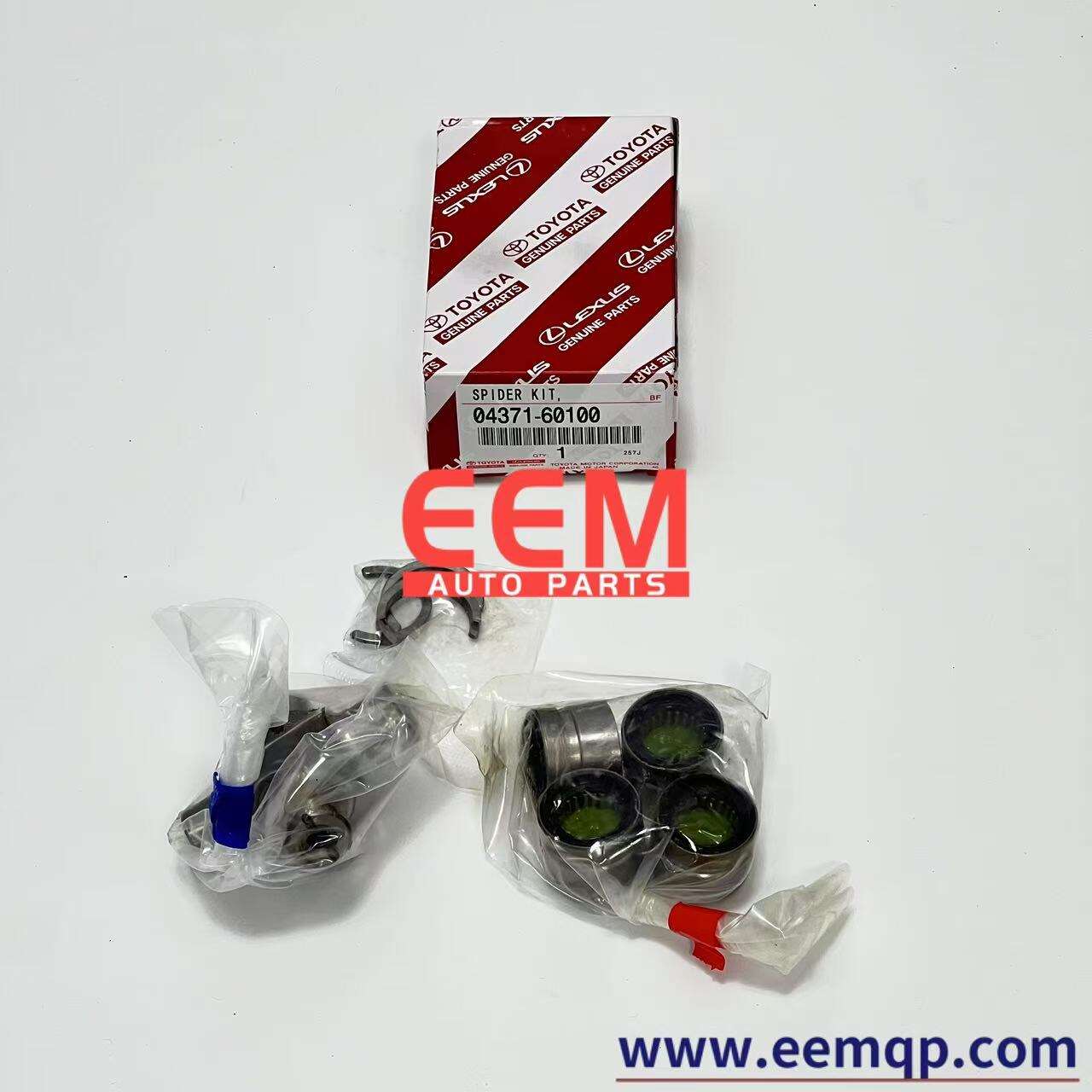
The global automotive aftermarket continues to expand rapidly, with Toyota auto parts wholesale representing one of the largest segments in this thriving industry. As vehicle owners increasingly seek cost-effective maintenance solutions, the demand for reliable Toyota replacement parts has surged across international markets. China has emerged as a dominant force in automotive parts manufacturing, offering comprehensive solutions that meet both OEM specifications and aftermarket requirements. The country's advanced manufacturing capabilities, combined with stringent quality control systems, have positioned Chinese suppliers as preferred partners for businesses seeking Toyota auto parts wholesale opportunities.
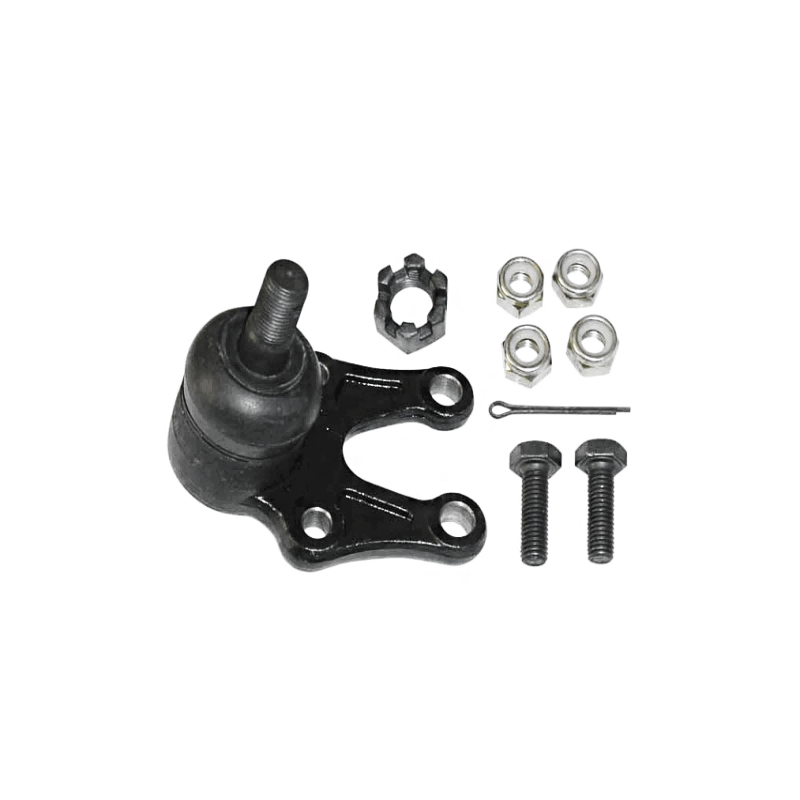
Chinese manufacturers have invested heavily in research and development, ensuring their production facilities meet international automotive standards including IATF16949 certification. This commitment to excellence has enabled them to produce Toyota replacement parts that match original equipment specifications while offering competitive pricing structures. The combination of advanced technology, skilled workforce, and economies of scale has made China an attractive destination for automotive parts sourcing across multiple vehicle categories.
Understanding IATF16949 Certification Standards
Quality Management System Requirements
The IATF16949 certification represents the gold standard in automotive quality management systems, building upon ISO9001 foundations while incorporating specific automotive industry requirements. This comprehensive framework ensures that Toyota auto parts wholesale suppliers maintain consistent quality standards throughout their manufacturing processes. The certification covers critical areas including design controls, production planning, supplier management, and continuous improvement methodologies that directly impact product reliability and performance.
Certified facilities must demonstrate robust quality control measures, including statistical process control, failure mode analysis, and comprehensive testing protocols. These requirements ensure that every Toyota replacement part meets stringent performance criteria before reaching end customers. The certification process involves rigorous auditing procedures conducted by accredited third-party organizations, providing independent verification of manufacturing capabilities and quality assurance systems.
Benefits of Working with Certified Suppliers
Partnering with IATF16949 certified Toyota auto parts wholesale suppliers offers significant advantages including reduced quality risks, improved supply chain reliability, and enhanced customer satisfaction. Certified manufacturers implement advanced quality management systems that minimize defect rates and ensure consistent product performance across production batches. This systematic approach to quality control translates into fewer warranty claims, reduced inventory costs, and improved brand reputation for downstream distributors and retailers.
Additionally, certified suppliers typically maintain comprehensive traceability systems that enable rapid identification and resolution of any quality issues. This capability is particularly valuable in the automotive industry where safety and reliability are paramount concerns. The certification also demonstrates suppliers' commitment to continuous improvement, ensuring they remain competitive in evolving market conditions while maintaining high quality standards.
Leading Chinese Toyota Parts Manufacturers
Established Production Facilities
China hosts numerous world-class manufacturing facilities specializing in Toyota auto parts wholesale production, with many companies operating state-of-the-art factories equipped with advanced automation systems. These facilities typically feature modern production lines, precision machining centers, and comprehensive testing laboratories that ensure consistent product quality. Leading manufacturers have invested substantially in equipment upgrades and technology integration, enabling them to produce complex automotive components with tight tolerances and superior finish quality.
Many established Chinese suppliers maintain multiple production sites strategically located near major transportation hubs, facilitating efficient distribution to global markets. These facilities often specialize in specific component categories, allowing manufacturers to develop deep expertise in particular product lines while maintaining operational efficiency. The concentration of automotive suppliers in industrial clusters also creates synergies that benefit the entire supply chain ecosystem.
Product Range and Specialization
Chinese Toyota parts manufacturers offer comprehensive product portfolios covering engine components, transmission parts, suspension systems, brake components, and electrical accessories. This extensive range enables customers to consolidate their sourcing activities while working with fewer suppliers, reducing procurement complexity and administrative overhead. Many suppliers have developed specialized capabilities in high-demand categories such as Toyota auto parts wholesale suspension components, brake systems, and engine accessories that require precise manufacturing tolerances.
The specialization approach allows manufacturers to optimize their production processes, invest in category-specific equipment, and develop technical expertise that translates into superior product quality. This focused strategy also enables suppliers to respond quickly to market demands and introduce new products that meet evolving customer requirements. The depth of specialization available among Chinese suppliers provides buyers with access to technical expertise and manufacturing capabilities that may not be available from generalist suppliers.
Supply Chain Management and Logistics
Global Distribution Networks
Leading Chinese Toyota auto parts wholesale suppliers have established sophisticated distribution networks that span major international markets, utilizing strategic partnerships with logistics providers and regional distributors. These networks typically include multiple shipping options ranging from express delivery for urgent orders to economical sea freight for large volume shipments. The integration of advanced inventory management systems enables suppliers to maintain optimal stock levels while minimizing carrying costs and reducing delivery lead times.
Many suppliers have invested in regional distribution centers located in key markets, allowing them to provide faster delivery times and better customer service. These facilities often include value-added services such as custom packaging, labeling, and quality inspection capabilities that enhance the overall customer experience. The strategic placement of distribution centers also enables suppliers to respond quickly to market fluctuations and seasonal demand variations.
Technology Integration and Tracking
Modern Chinese suppliers leverage advanced technology systems to provide real-time visibility throughout the supply chain, from initial order placement through final delivery confirmation. These systems typically include enterprise resource planning platforms, warehouse management systems, and transportation management solutions that optimize operational efficiency. Customers benefit from comprehensive tracking capabilities that provide detailed information about order status, shipping progress, and estimated delivery times.
The integration of digital technologies also enables suppliers to implement predictive analytics and demand forecasting capabilities that improve inventory planning and reduce stockout situations. Many suppliers offer customer portal access that allows buyers to monitor their orders, access product documentation, and communicate directly with customer service representatives. This level of technology integration demonstrates the sophistication of leading Chinese suppliers and their commitment to providing superior customer experiences.
Quality Assurance and Testing Protocols
Comprehensive Testing Standards
IATF16949 certified Toyota auto parts wholesale suppliers implement rigorous testing protocols that exceed industry minimum requirements, ensuring every component meets or exceeds OEM specifications. These protocols typically include dimensional verification, material composition analysis, performance testing, and durability assessments conducted using calibrated equipment and standardized procedures. The testing process begins with incoming material inspection and continues through each production stage, culminating in final product validation before shipment.
Advanced testing facilities often feature environmental chambers, vibration testing equipment, and specialized automotive testing apparatus that simulate real-world operating conditions. This comprehensive approach to quality validation ensures that Toyota replacement parts will perform reliably throughout their intended service life. The documentation generated during testing provides valuable traceability information that can be used for quality investigations and continuous improvement initiatives.
Continuous Improvement Programs
Leading suppliers maintain active continuous improvement programs that systematically identify opportunities to enhance product quality, reduce manufacturing costs, and improve delivery performance. These programs typically involve cross-functional teams that analyze production data, customer feedback, and market trends to develop targeted improvement initiatives. The implementation of statistical process control methods enables suppliers to monitor production performance in real-time and make immediate adjustments when necessary.
Regular management reviews ensure that improvement initiatives receive appropriate resources and management attention, while employee suggestion programs encourage workforce participation in quality enhancement efforts. The culture of continuous improvement helps suppliers maintain their competitive position while delivering increasing value to customers. This systematic approach to improvement also supports suppliers' ability to meet evolving regulatory requirements and customer expectations.
Market Trends and Future Outlook
Industry Growth Drivers
The Toyota auto parts wholesale market continues to benefit from several key growth drivers including the expanding global vehicle fleet, increasing average vehicle age, and growing consumer preference for cost-effective maintenance solutions. The proliferation of Toyota vehicles in emerging markets has created substantial demand for replacement parts, while established markets show steady growth in aftermarket sales as vehicle owners seek alternatives to dealer service. The trend toward vehicle ownership retention rather than frequent replacement has further increased demand for quality replacement parts.
Additionally, the growing acceptance of non-OEM parts among consumers and service providers has expanded market opportunities for Chinese suppliers who can demonstrate comparable quality at competitive prices. The increasing sophistication of online sales channels has also made it easier for customers to access Chinese suppliers directly, bypassing traditional distribution intermediaries and reducing overall costs.
Technology and Innovation Developments
Chinese Toyota parts manufacturers are investing heavily in advanced manufacturing technologies including automation, artificial intelligence, and additive manufacturing capabilities that enhance production efficiency and product quality. These technological advances enable suppliers to produce increasingly complex components while reducing manufacturing costs and improving consistency. The adoption of Industry 4.0 concepts has also improved real-time monitoring capabilities and predictive maintenance systems that minimize production disruptions.
Research and development efforts focus on developing new materials and manufacturing processes that can improve product performance while reducing environmental impact. Many suppliers are also investing in electric vehicle component capabilities as the automotive industry transitions toward electrification. These forward-looking investments position Chinese suppliers to remain competitive as market requirements continue to evolve.
FAQ
How can I verify the authenticity of IATF16949 certification for Chinese suppliers?
IATF16949 certification authenticity can be verified through the official IATF database or by contacting the issuing certification body directly. Legitimate certificates include specific registration numbers, validity dates, and scope descriptions that can be cross-referenced with official records. Additionally, reputable suppliers will provide access to their quality management documentation and welcome facility audits from potential customers.
What are the typical minimum order quantities for Toyota auto parts wholesale from China?
Minimum order quantities vary significantly depending on the specific parts category, manufacturer capabilities, and customer requirements. Standard replacement parts typically have lower minimum orders ranging from 50 to 500 pieces per part number, while specialized or custom components may require higher quantities. Many suppliers offer flexibility in minimum orders for established customers or when ordering multiple part numbers simultaneously.
How long does shipping typically take from Chinese Toyota parts suppliers?
Shipping times depend on the selected transportation method and destination location. Express shipping typically takes 3-7 business days but costs significantly more than standard options. Sea freight generally requires 15-35 days depending on the destination port but offers the most economical rates for large shipments. Air freight provides a middle ground with delivery times of 5-10 days at moderate cost levels.
What quality guarantees do Chinese Toyota auto parts wholesale suppliers typically offer?
IATF16949 certified suppliers typically offer comprehensive quality guarantees including defect-free warranties ranging from 12 to 24 months depending on the component category. Many suppliers also provide performance guarantees that ensure parts meet specified technical requirements and offer replacement or refund options for any quality issues. Leading suppliers maintain product liability insurance and provide detailed quality documentation to support their warranty commitments.
Table of Contents
- Understanding IATF16949 Certification Standards
- Leading Chinese Toyota Parts Manufacturers
- Supply Chain Management and Logistics
- Quality Assurance and Testing Protocols
- Market Trends and Future Outlook
-
FAQ
- How can I verify the authenticity of IATF16949 certification for Chinese suppliers?
- What are the typical minimum order quantities for Toyota auto parts wholesale from China?
- How long does shipping typically take from Chinese Toyota parts suppliers?
- What quality guarantees do Chinese Toyota auto parts wholesale suppliers typically offer?