 EN
EN

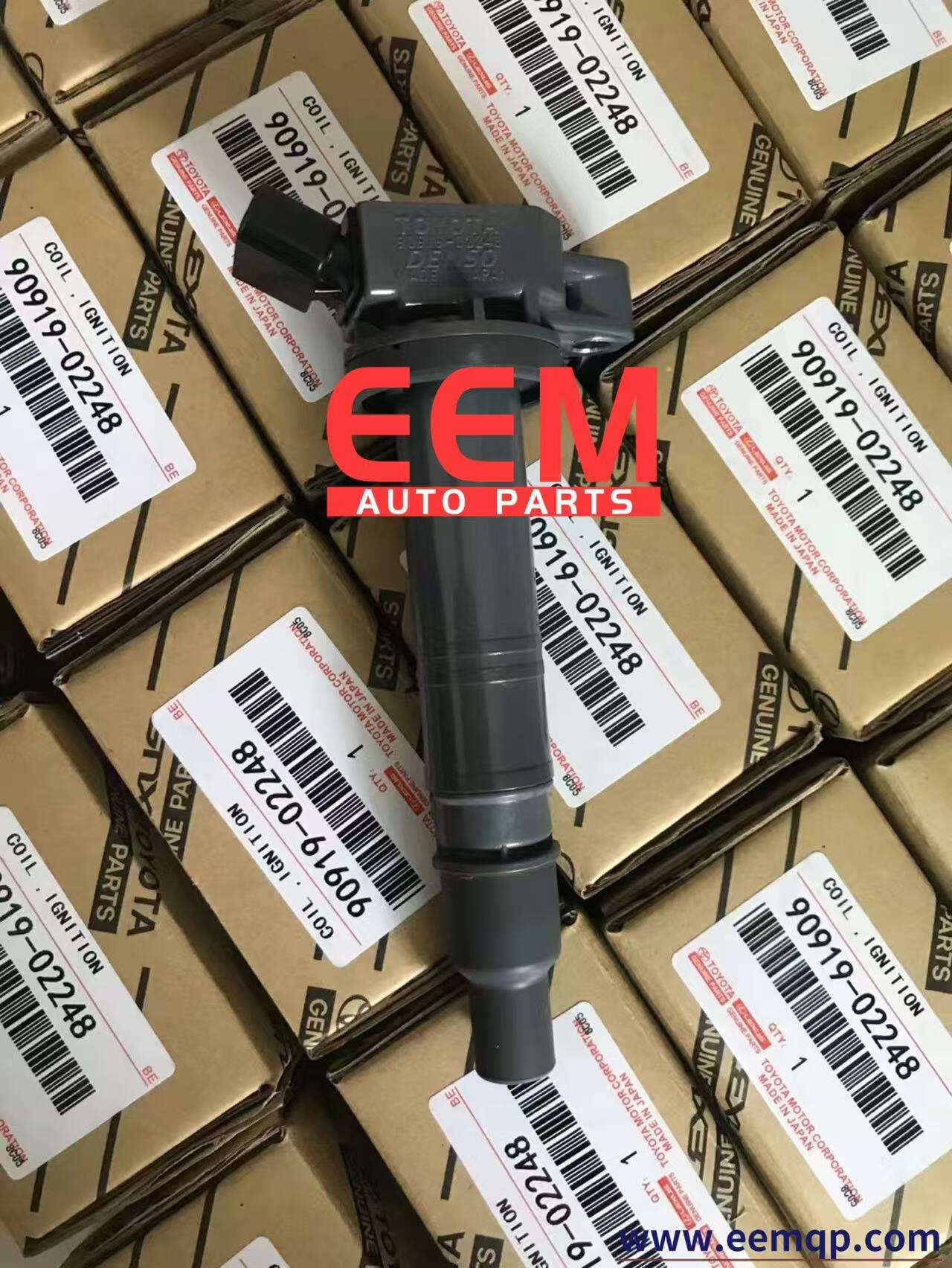
Purchasing Toyota auto parts directly from Chinese manufacturers has become increasingly popular among automotive professionals, repair shops, and individual vehicle owners seeking cost-effective solutions without compromising quality. China's automotive parts manufacturing industry has evolved significantly over the past decade, establishing itself as a reliable source for OEM-quality components at competitive prices. Understanding the procurement process, quality standards, and supplier verification methods is essential for successful direct sourcing of automotive components.
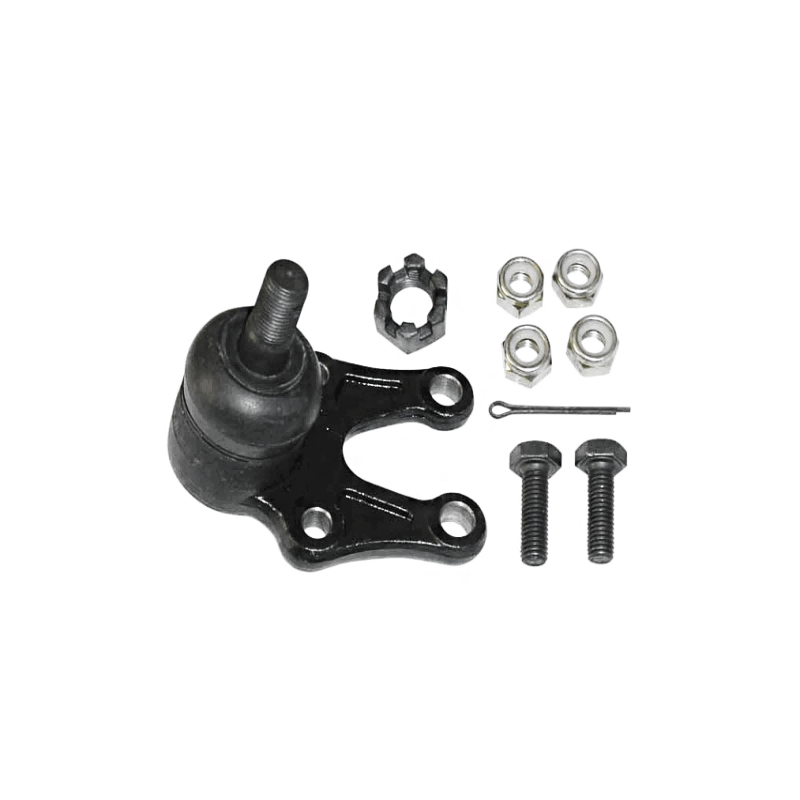
Understanding China's Automotive Parts Manufacturing Landscape
Market Overview and Industry Growth
China's automotive aftermarket industry has experienced remarkable growth, with the country now producing over 80% of the world's automotive components. The manufacturing ecosystem includes thousands of specialized factories producing everything from engine components to electrical systems. Many of these facilities maintain ISO certifications and implement stringent quality control measures that rival original equipment manufacturers. The competitive landscape has driven innovation and efficiency improvements across the supply chain.
Major automotive hubs like Guangzhou, Shanghai, and Wenzhou host clusters of manufacturers specializing in different component categories. These regions benefit from established supply chains, skilled labor forces, and proximity to major ports for international shipping. The concentration of suppliers in these areas creates opportunities for bulk purchasing and consolidated shipping arrangements.
Quality Standards and Certification Systems
Chinese automotive parts manufacturers have adopted international quality standards to meet global market demands. Many facilities hold certifications including ISO 9001, TS 16949, and specific automotive industry standards. These certifications ensure that manufacturing processes meet or exceed international benchmarks for quality control, testing procedures, and documentation requirements.
Understanding the certification landscape helps buyers identify reliable suppliers. Manufacturers with multiple certifications typically demonstrate higher commitment to quality and process improvement. Additionally, many suppliers undergo regular audits by international certification bodies, providing ongoing verification of their manufacturing capabilities and quality systems.
Supplier Identification and Verification Process
Research Methods and Platform Utilization
Effective supplier identification begins with comprehensive research using established B2B platforms and industry directories. Alibaba, Made-in-China, and Global Sources serve as primary starting points for discovering potential suppliers. These platforms provide detailed company profiles, product catalogs, and customer reviews that facilitate initial screening processes. Advanced search filters help narrow options based on location, certifications, and minimum order quantities.
Trade shows and automotive exhibitions offer valuable opportunities for face-to-face meetings with manufacturers. Events like the China Import and Export Fair (Canton Fair) and specialized automotive shows provide platforms for evaluating product quality, discussing technical specifications, and establishing business relationships. These interactions often yield insights that online research cannot provide.
Due Diligence and Supplier Assessment
Thorough supplier assessment involves multiple verification steps to ensure reliability and capability. Business license verification, factory audits, and reference checks form the foundation of due diligence processes. Requesting detailed company information, including registration documents, facility photos, and production capacity data, helps establish supplier legitimacy and operational scale.
Financial stability assessment protects against supply chain disruptions. Reviewing suppliers' financial statements, payment terms, and insurance coverage provides insights into their long-term viability. Establishing communication protocols and response time expectations during the evaluation phase often predicts future collaboration effectiveness.
Product Quality Assessment and Testing Procedures
Material Specifications and Standards Compliance
Toyota auto parts require adherence to specific material standards and engineering tolerances. Reputable Chinese manufacturers provide detailed material certifications, test reports, and dimensional drawings that demonstrate compliance with OEM specifications. Material composition analysis, hardness testing, and durability assessments form critical components of quality verification processes.
Third-party testing services offer independent verification of component quality and performance characteristics. These services conduct comprehensive testing including dimensional accuracy, material composition, and functional performance under various operating conditions. Independent testing results provide objective quality assessments that supplement manufacturer-provided documentation.
Sample Evaluation and Prototype Testing
Requesting samples enables hands-on quality evaluation before committing to large orders. Sample evaluation should include visual inspection, dimensional verification, and functional testing where applicable. Comparing samples against original Toyota components helps identify potential quality variations or compatibility issues.
Prototype testing involves installing and evaluating components under actual operating conditions. This process validates performance characteristics, fitment accuracy, and durability over extended periods. Documenting test results creates valuable reference data for future purchasing decisions and quality discussions with suppliers.
Procurement Strategy and Order Management
Pricing Structure and Negotiation Tactics
Understanding Chinese manufacturers' pricing structures enables effective negotiation and cost optimization. Volume-based pricing tiers typically offer significant savings for larger orders, while payment terms and shipping arrangements influence total landed costs. Negotiating strategies should balance price objectives with quality requirements and delivery schedules.
Long-term partnership approaches often yield better pricing and service levels than transactional relationships. Establishing annual volume commitments or multi-year agreements provides suppliers with business predictability that translates into improved pricing and priority treatment during capacity constraints or material shortages.
Order Placement and Production Management
Effective order management requires clear specification documentation, delivery schedules, and quality requirements. Purchase orders should include detailed part numbers, technical drawings, packaging requirements, and inspection criteria. Establishing milestone-based communication protocols helps monitor production progress and identify potential delays early in the manufacturing process.
Production scheduling coordination becomes particularly important for large orders or custom specifications. Understanding suppliers' production capacity, lead times, and seasonal variations helps optimize order timing and avoid supply chain disruptions. Regular production updates and quality checkpoints ensure adherence to specifications throughout the manufacturing cycle.
Logistics and Import Procedures
Shipping Methods and Cost Optimization
Selecting appropriate shipping methods balances cost, transit time, and cargo security requirements. Sea freight offers cost advantages for large shipments but requires longer transit times, while air freight provides faster delivery at higher costs. Consolidation services combine multiple orders into single shipments, reducing per-unit shipping costs for smaller quantities.
Packaging requirements significantly impact shipping costs and product protection during transit. Collaborating with suppliers to optimize packaging designs reduces dimensional weight charges while ensuring adequate protection against handling damage. Custom packaging solutions for fragile or precision components often justify additional costs through reduced damage rates.
Customs Clearance and Regulatory Compliance
Import procedures require understanding of customs regulations, duty rates, and documentation requirements specific to automotive components. Harmonized System (HS) codes determine applicable duty rates and regulatory requirements. Working with experienced freight forwarders or customs brokers ensures compliance with import regulations and minimizes clearance delays.
Documentation accuracy prevents customs holds and additional fees. Required documents typically include commercial invoices, packing lists, bills of lading, and certificates of origin. Some automotive components may require additional certifications or testing reports to meet safety or environmental standards in destination countries.
Quality Control and Inspection Protocols
Pre-shipment Inspection Services
Third-party inspection services provide independent verification of product quality and specifications before shipment. These services conduct comprehensive inspections including dimensional checks, visual quality assessments, and functional testing. Professional inspection reports document findings and provide objective quality assessments that protect against receiving substandard products.
Inspection protocols should align with specific Toyota parts requirements and performance standards. Customized inspection checklists ensure that critical dimensions, surface finishes, and functional characteristics receive appropriate attention. Photo documentation and detailed reports provide valuable feedback for continuous improvement discussions with suppliers.
Incoming Goods Verification and Testing
Establishing incoming inspection procedures creates final quality checkpoints before parts enter inventory or installation processes. These procedures should include visual inspections, dimensional verification, and random sampling for detailed testing. Documenting inspection results creates quality trend data that supports supplier performance evaluations.
Rejected product procedures must address non-conforming items quickly and effectively. Clear rejection criteria, notification processes, and return procedures protect against quality issues while maintaining supplier relationships. Working collaboratively with suppliers to identify and resolve quality issues often prevents recurring problems.
Building Long-term Supplier Relationships
Partnership Development and Communication
Successful long-term relationships with Chinese suppliers require consistent communication, mutual respect, and shared business objectives. Regular performance reviews, feedback sessions, and improvement initiatives demonstrate commitment to partnership development. Cultural understanding and sensitivity enhance communication effectiveness and relationship building.
Technology platforms enable efficient communication and collaboration across different time zones and languages. Video conferencing, shared document systems, and project management tools facilitate real-time collaboration and information sharing. Investing in communication infrastructure often yields significant returns through improved coordination and reduced misunderstandings.
Performance Monitoring and Continuous Improvement
Implementing supplier scorecards and performance metrics provides objective measures of quality, delivery, and service performance. Key performance indicators should include defect rates, on-time delivery percentages, and responsiveness to quality issues. Regular performance reviews create opportunities for recognition and improvement planning.
Continuous improvement initiatives benefit both buyers and suppliers through cost reduction and quality enhancement. Collaborative projects might include packaging optimization, process improvements, or new product development. Sharing improvement benefits creates win-win scenarios that strengthen long-term partnerships and competitive advantages.
FAQ
What are the typical lead times for Toyota auto parts from Chinese manufacturers
Lead times vary depending on product complexity and order quantities, typically ranging from 15-45 days for standard components. Custom or low-volume parts may require 60-90 days. Factors affecting lead times include raw material availability, production capacity, and shipping method selection. Establishing framework agreements with suppliers often reduces lead times through priority production scheduling.
How can I verify the authenticity and quality of Chinese-manufactured Toyota parts
Verification involves multiple steps including supplier certification review, sample testing, and third-party inspection services. Request material certificates, dimensional reports, and quality documentation from suppliers. Consider independent testing for critical components and maintain detailed records of supplier performance. Toyota auto parts from verified suppliers typically include comprehensive quality documentation.
What payment methods are commonly accepted by Chinese automotive parts suppliers
Most suppliers accept wire transfers (T/T), letters of credit (L/C), and trade assurance programs through B2B platforms. Payment terms typically range from 30-50% deposit with balance due before shipment for new customers. Established relationships may qualify for extended payment terms or consignment arrangements. Always use secure payment methods and verify banking information independently.
Are there minimum order quantity requirements when buying directly from Chinese factories
Minimum order quantities (MOQs) vary by supplier and product type, typically ranging from 50-1000 pieces for standard automotive components. Some suppliers offer flexibility for mixed orders or trial quantities. Negotiating MOQs often becomes easier with established suppliers or long-term commitments. Consider consolidation strategies to meet MOQ requirements while managing inventory levels effectively.
Table of Contents
- Understanding China's Automotive Parts Manufacturing Landscape
- Supplier Identification and Verification Process
- Product Quality Assessment and Testing Procedures
- Procurement Strategy and Order Management
- Logistics and Import Procedures
- Quality Control and Inspection Protocols
- Building Long-term Supplier Relationships
-
FAQ
- What are the typical lead times for Toyota auto parts from Chinese manufacturers
- How can I verify the authenticity and quality of Chinese-manufactured Toyota parts
- What payment methods are commonly accepted by Chinese automotive parts suppliers
- Are there minimum order quantity requirements when buying directly from Chinese factories