 EN
EN

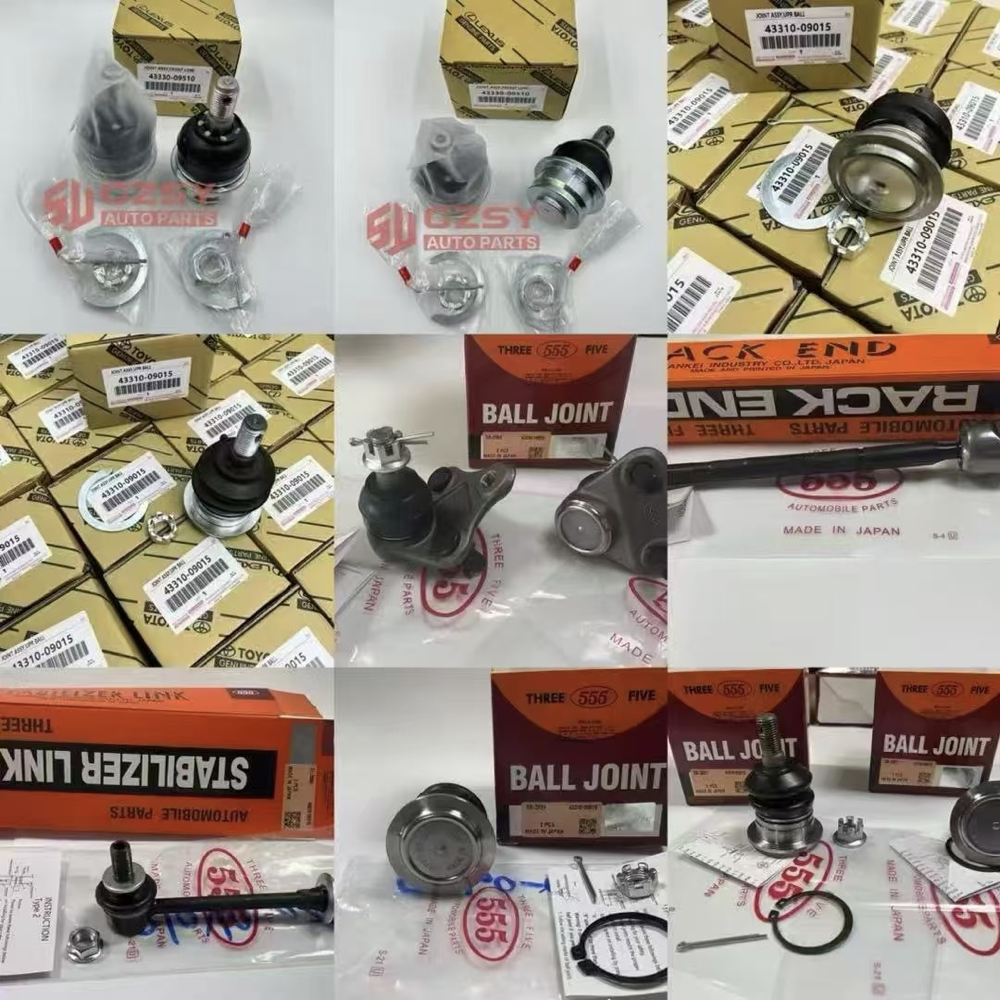
Sourcing auto parts made in China has become an essential strategy for automotive businesses seeking cost-effective solutions without compromising quality. The Chinese automotive parts manufacturing industry represents over 30% of global production, offering everything from engine components to electrical systems at competitive prices. Understanding the complexities of international procurement, quality standards, and supply chain management is crucial for successful sourcing operations.
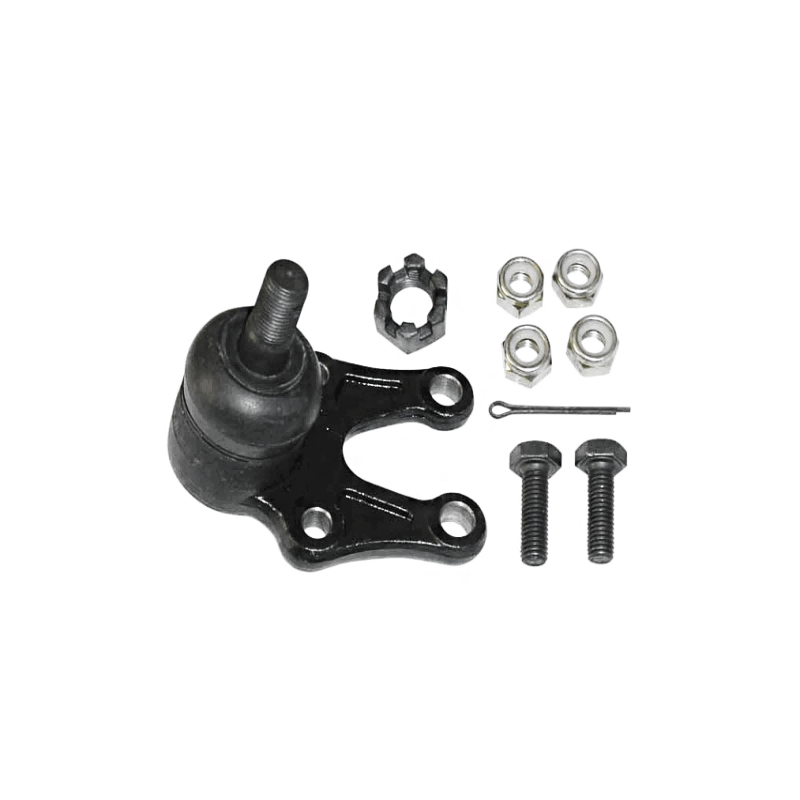
This comprehensive buyer's guide provides practical frameworks for evaluating suppliers, managing quality control processes, and navigating regulatory requirements when purchasing auto parts made in China. From initial supplier identification through final delivery logistics, successful procurement requires systematic approaches that balance cost efficiency with reliability and compliance standards that meet your specific market requirements.
Understanding the Chinese Auto Parts Manufacturing Landscape
Market Structure and Manufacturing Capabilities
The Chinese auto parts manufacturing sector encompasses over 100,000 companies ranging from large state-owned enterprises to specialized private manufacturers. Major production hubs include Guangdong Province for electronics and precision components, Zhejiang Province for mechanical parts, and Jiangsu Province for engine components and transmissions. Understanding regional specializations helps buyers identify optimal sourcing locations for specific auto parts made in China categories.
Manufacturing capabilities vary significantly across different tiers of suppliers. Tier-1 suppliers often serve original equipment manufacturers directly and maintain advanced quality management systems, while Tier-2 and Tier-3 suppliers focus on aftermarket components with varying quality standards. This hierarchical structure affects pricing, lead times, and quality consistency when sourcing auto parts made in China.
Technology adoption in Chinese manufacturing has accelerated rapidly, with many facilities implementing Industry 4.0 principles, automated production lines, and advanced quality control systems. This modernization has improved the reliability and precision of auto parts made in China, making them increasingly competitive with traditional automotive manufacturing regions.
Quality Standards and Certification Framework
Chinese auto parts manufacturers increasingly adopt international quality standards including ISO 9001, TS 16949, and industry-specific certifications. Understanding which suppliers maintain these certifications is essential for ensuring consistent quality when sourcing auto parts made in China. Verification of certification authenticity should be part of every supplier evaluation process.
Quality management systems vary significantly between suppliers, affecting product consistency and reliability. Leading manufacturers implement comprehensive testing protocols, statistical process control, and continuous improvement programs that rival international standards. However, smaller suppliers may rely on basic quality checks, requiring more intensive buyer oversight and inspection processes.
Documentation standards for auto parts made in China have improved substantially, with many suppliers providing detailed technical specifications, material certificates, and test reports. Establishing clear documentation requirements upfront helps ensure suppliers understand quality expectations and can demonstrate compliance with your specifications.
Supplier Identification and Evaluation Process
Research and Initial Supplier Screening
Effective supplier identification begins with understanding your specific requirements for auto parts made in China, including technical specifications, volume requirements, quality standards, and delivery timelines. Online B2B platforms, trade directories, and industry exhibitions provide initial supplier databases, but thorough screening is essential to identify qualified candidates.
Initial screening criteria should include business registration verification, production capacity assessment, quality certification status, and customer reference checks. Many suppliers of auto parts made in China maintain detailed company profiles, but independent verification through third-party services or on-site visits provides more reliable information about actual capabilities and reliability.
Geographic considerations affect logistics costs, communication efficiency, and supply chain resilience when sourcing auto parts made in China. Suppliers located near major ports typically offer better shipping options and lower transportation costs, while inland manufacturers may provide cost advantages but require longer lead times and more complex logistics arrangements.
Financial and Operational Due Diligence
Financial stability assessment helps predict supplier reliability and long-term viability when sourcing auto parts made in China. Credit reports, bank references, and financial statements provide insights into supplier financial health, though obtaining accurate financial information may require professional assistance due to reporting differences and language barriers.
Operational assessment includes production capacity evaluation, equipment condition analysis, and workforce stability review. Site visits, either in-person or through third-party inspection services, provide valuable insights into actual manufacturing capabilities and quality control processes for auto parts made in China production.
Supply chain transparency becomes increasingly important as regulatory requirements evolve. Understanding supplier sourcing practices, sub-contractor relationships, and material traceability helps ensure compliance with import regulations and sustainability requirements when purchasing auto parts made in China.
Quality Control and Inspection Protocols
Pre-Production Quality Planning
Establishing comprehensive quality agreements before production begins is essential for successful sourcing of auto parts made in China. These agreements should specify technical requirements, testing protocols, inspection criteria, and corrective action procedures. Clear documentation prevents misunderstandings and provides reference points for quality discussions throughout the production process.
Sample approval processes verify supplier capabilities and establish quality benchmarks before full production. Multiple sample iterations may be necessary to achieve acceptable quality levels, and approved samples serve as reference standards for ongoing production of auto parts made in China. Maintaining sample archives helps resolve quality disputes and ensures consistency across production batches.
Production planning coordination ensures suppliers understand timing requirements, batch sizes, and delivery schedules. Early engagement in production planning helps identify potential quality risks and allows time for corrective measures before issues affect delivery timelines for auto parts made in China orders.
Ongoing Monitoring and Inspection Strategy
Regular quality monitoring throughout production prevents defective products from reaching final inspection stages. Statistical sampling plans, periodic audits, and real-time production monitoring help maintain consistent quality levels when sourcing auto parts made in China. Technology solutions including remote monitoring and digital reporting systems improve oversight efficiency.
Third-party inspection services provide independent quality verification and can be particularly valuable when direct oversight is challenging. Professional inspection companies with automotive experience understand critical quality points for auto parts made in China and can provide detailed reports on compliance with specifications and standards.
Corrective action protocols should be established before quality issues arise. Clear procedures for addressing non-conforming products, including rework, replacement, and cost responsibility, help resolve issues quickly and maintain production schedules when sourcing auto parts made in China.
Logistics and Import Management
Shipping and Transportation Planning
Transportation method selection significantly affects cost, timing, and risk when importing auto parts made in China. Sea freight offers the lowest cost per unit for large shipments but requires longer lead times, while air freight provides faster delivery at higher costs. Understanding the trade-offs helps optimize logistics strategies based on urgency and budget constraints.
Packaging requirements for auto parts made in China must balance protection during transit with cost efficiency. Proper packaging prevents damage, reduces insurance claims, and ensures products arrive in sellable condition. Coordinating packaging specifications with suppliers and freight forwarders helps optimize both protection and shipping costs.
Freight forwarding partnerships streamline import processes and provide expertise in documentation, customs clearance, and delivery coordination. Experienced freight forwarders understand automotive industry requirements and can help navigate complex regulations when importing auto parts made in China.
Customs and Regulatory Compliance
Import documentation requirements include commercial invoices, packing lists, bills of lading, and certificates of origin. Accurate documentation prevents customs delays and ensures compliance with import regulations when bringing Auto Parts Made in China into your market. Understanding specific requirements for automotive components helps avoid costly mistakes and delays.
Tariff classification affects import duties and must be determined accurately for each product category. Harmonized System codes for auto parts can be complex, and incorrect classification may result in penalties or additional costs. Professional customs brokers provide expertise in classification and help ensure compliance with import regulations.
Product safety and compliance standards vary by market and may include crashworthiness requirements, emissions standards, and material safety regulations. Understanding applicable standards before sourcing auto parts made in China helps ensure products meet regulatory requirements and can be legally sold in your target markets.
Cost Management and Financial Considerations
Pricing Structure Analysis
Total cost of ownership for auto parts made in China extends beyond initial purchase prices to include quality costs, logistics expenses, inventory carrying costs, and potential warranty claims. Comprehensive cost analysis helps make informed sourcing decisions and avoid hidden expenses that can erode cost advantages.
Currency fluctuation management becomes important for ongoing sourcing relationships. Exchange rate volatility between your local currency and Chinese Yuan can significantly affect costs over time. Hedging strategies, price adjustment mechanisms, and local currency purchasing arrangements help manage financial risk when sourcing auto parts made in China.
Volume considerations affect pricing, minimum order quantities, and production scheduling. Understanding supplier capacity constraints and pricing breakpoints helps optimize order quantities and timing when purchasing auto parts made in China. Long-term volume commitments may justify price concessions but require careful demand forecasting.
Payment Terms and Risk Management
Payment term negotiation balances cash flow needs with supplier risk management. Letters of credit provide security for both parties but add cost and complexity to transactions. Understanding various payment mechanisms and their implications helps structure deals that work for both buyers and suppliers of auto parts made in China.
Insurance coverage protects against various risks including product defects, shipping damage, and supplier default. Comprehensive insurance policies may cover cargo, product liability, and business interruption risks associated with sourcing auto parts made in China. Professional insurance advisors help identify appropriate coverage levels and policy types.
Contract terms should address intellectual property protection, quality standards, delivery requirements, and dispute resolution procedures. Well-structured contracts provide legal protection and clear expectations for all parties involved in sourcing auto parts made in China. Legal review by professionals familiar with international trade helps ensure enforceability and adequate protection.
FAQ
What are the typical lead times for ordering auto parts made in China?
Lead times for auto parts made in China typically range from 15-45 days depending on product complexity, customization requirements, and supplier production capacity. Standard aftermarket parts often have shorter lead times of 15-25 days, while custom or precision-engineered components may require 30-45 days. Ocean freight adds another 15-30 days for delivery, while air freight can reduce shipping time to 3-7 days but at significantly higher cost.
How can I verify the quality and authenticity of suppliers before placing large orders?
Supplier verification should include business license confirmation, quality certification verification, customer reference checks, and either on-site visits or third-party audits. Request samples for testing, verify certifications directly with issuing bodies, and conduct credit checks when possible. Many buyers also start with small trial orders to evaluate quality, communication, and delivery performance before committing to larger volumes of auto parts made in China.
What are the most common quality issues when sourcing auto parts made in China?
Common quality issues include dimensional variations, material substitutions, surface finish inconsistencies, and packaging damage. These problems often stem from insufficient communication of specifications, inadequate quality control processes, or cost-cutting measures by suppliers. Implementing detailed specifications, regular inspections, and clear quality agreements significantly reduces the likelihood of quality issues when sourcing auto parts made in China.
Are there specific certifications I should require from Chinese auto parts suppliers?
Essential certifications include ISO 9001 for quality management, TS 16949 for automotive quality systems, and product-specific certifications like DOT, ECE, or SAE standards depending on your market requirements. Environmental certifications such as ISO 14001 and REACH compliance may also be required. Always verify certification authenticity directly with issuing bodies, as fraudulent certificates are occasionally encountered when sourcing auto parts made in China.
Table of Contents
- Understanding the Chinese Auto Parts Manufacturing Landscape
- Supplier Identification and Evaluation Process
- Quality Control and Inspection Protocols
- Logistics and Import Management
- Cost Management and Financial Considerations
-
FAQ
- What are the typical lead times for ordering auto parts made in China?
- How can I verify the quality and authenticity of suppliers before placing large orders?
- What are the most common quality issues when sourcing auto parts made in China?
- Are there specific certifications I should require from Chinese auto parts suppliers?