 EN
EN

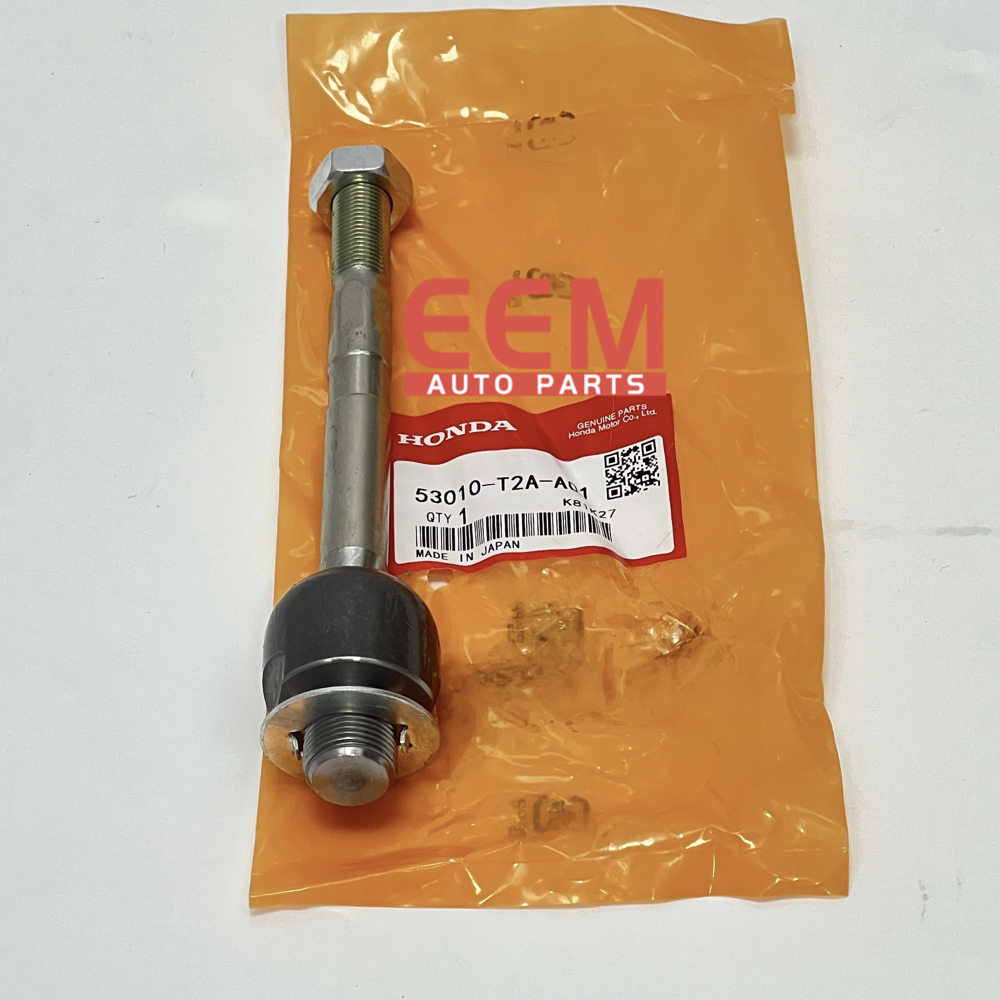
The reliability of auto parts made in China has become a critical consideration for automotive professionals, fleet managers, and repair shops worldwide. As global supply chains increasingly depend on Chinese manufacturing, understanding the quality standards, manufacturing capabilities, and reliability factors of these components is essential for making informed purchasing decisions. The automotive aftermarket industry has witnessed significant growth in Chinese-manufactured parts, ranging from basic wear items to complex electronic components, making reliability assessment more important than ever.
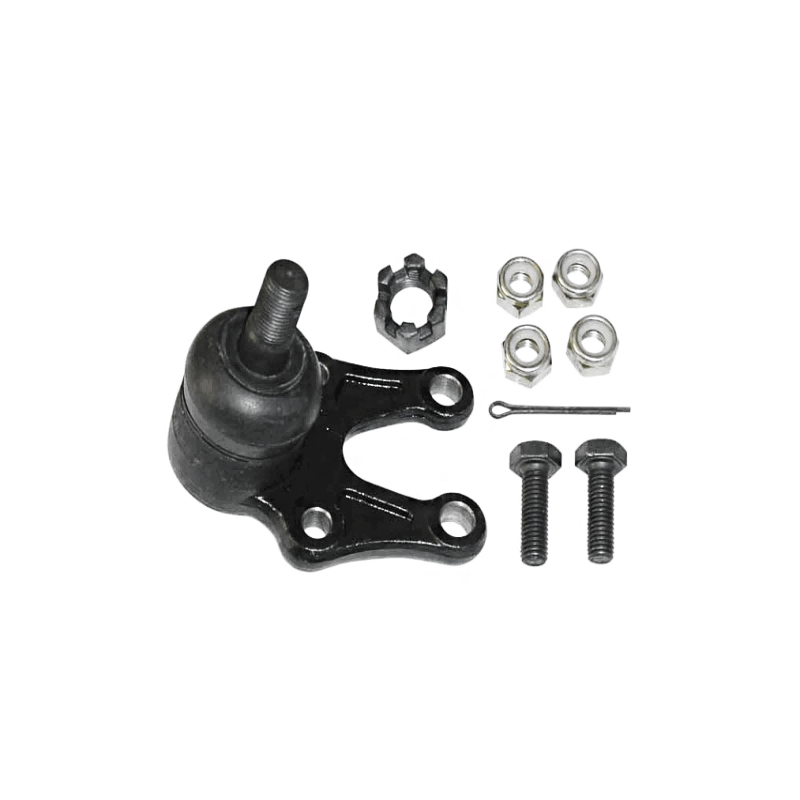
Modern Chinese automotive manufacturing has evolved dramatically over the past two decades, establishing sophisticated quality control systems and advanced production technologies. Many Chinese facilities now operate under international quality certifications including ISO/TS 16949, which specifically addresses automotive quality management systems. This transformation has positioned Chinese manufacturers to produce reliable components that meet or exceed original equipment specifications, though understanding the factors that determine reliability remains crucial for buyers navigating this complex market.
Manufacturing Standards and Quality Control in Chinese Auto Parts Production
International Certification Requirements
Chinese auto parts manufacturers increasingly operate under stringent international quality standards that directly impact product reliability. ISO/TS 16949 certification has become standard among leading facilities, requiring comprehensive quality management systems that address design controls, process validation, and continuous improvement protocols. These certifications mandate regular third-party audits, statistical process control implementation, and traceability systems that ensure consistent quality output.
Many facilities producing auto parts made in China also maintain additional certifications including ISO 14001 for environmental management and OHSAS 18001 for occupational health and safety. These overlapping standards create integrated management systems that support reliable manufacturing processes. The certification requirements include detailed documentation of material sourcing, production parameters, testing protocols, and quality metrics that provide transparency into manufacturing reliability.
Advanced Chinese manufacturers have implemented Six Sigma methodologies alongside lean manufacturing principles to minimize defect rates and optimize production efficiency. These systematic approaches to quality control include statistical analysis of production data, root cause analysis for defects, and preventive maintenance programs that maintain equipment reliability. The combination of international standards and advanced methodologies has significantly improved the consistency and reliability of auto parts made in China.
Production Technology and Equipment Standards
Modern Chinese automotive component facilities utilize state-of-the-art manufacturing equipment comparable to facilities worldwide. Computer-controlled machining centers, automated assembly systems, and precision measurement equipment ensure dimensional accuracy and surface finish quality that meets original equipment specifications. Investment in advanced manufacturing technology has been substantial, with many facilities incorporating Industry 4.0 concepts including real-time monitoring, predictive maintenance, and automated quality inspection.
The implementation of automated testing equipment in Chinese facilities has enhanced the reliability assessment of finished components. Coordinate measuring machines, torque testing systems, vibration analysis equipment, and environmental testing chambers provide comprehensive validation of part performance under various operating conditions. These technological capabilities enable manufacturers to identify potential reliability issues before products reach the market.
Material traceability systems in advanced Chinese facilities track component materials from raw material receipt through final assembly and shipping. This comprehensive tracking capability enables rapid identification and isolation of quality issues, supporting both immediate corrective actions and long-term reliability improvements. The integration of enterprise resource planning systems with quality management databases provides real-time visibility into production quality metrics and trend analysis.
Material Quality and Supply Chain Factors
Raw Material Standards and Sourcing
The reliability of auto parts made in China depends significantly on raw material quality and supply chain management practices. Leading Chinese manufacturers source materials from certified suppliers that meet international standards for chemical composition, mechanical properties, and dimensional tolerances. Steel suppliers must provide mill test certificates documenting material composition, heat treatment parameters, and mechanical testing results that verify compliance with automotive specifications.
Material testing laboratories within Chinese facilities perform incoming inspection of raw materials including spectroscopic analysis, hardness testing, and dimensional verification. This multi-layer validation process ensures that substandard materials do not enter the production process, directly supporting final product reliability. Many facilities maintain approved vendor lists that require supplier audits, capability assessments, and ongoing performance monitoring.
Advanced material specifications for critical components include requirements for grain structure, inclusion content, and fatigue resistance that exceed basic industry standards. Chinese manufacturers working with premium automotive brands often implement enhanced material specifications that provide additional safety margins and improved durability. These elevated standards reflect the increasing sophistication of Chinese automotive supply chains and their focus on long-term reliability.
Supply Chain Integration and Vendor Management
Effective supply chain management has become a cornerstone of reliable auto parts made in China production. Tier 1 Chinese suppliers maintain extensive vendor networks that include both domestic and international component suppliers, creating diversified sourcing strategies that reduce supply risk and maintain quality consistency. Vendor qualification processes include facility audits, quality system assessments, and capability studies that verify supplier reliability.
Just-in-time delivery systems implemented by Chinese manufacturers require precise coordination between suppliers and production schedules, necessitating robust quality systems that prevent disruptions. Supplier development programs provide technical assistance, quality training, and continuous improvement support that enhance overall supply chain reliability. These collaborative relationships often include shared quality metrics, joint problem-solving initiatives, and technology transfer agreements.
Risk management strategies within Chinese automotive supply chains include supplier diversification, inventory optimization, and contingency planning that maintain production continuity during supply disruptions. Advanced planning systems incorporate supplier performance data, capacity constraints, and quality metrics to optimize sourcing decisions. This systematic approach to supply chain management directly supports the reliability of finished auto parts by ensuring consistent input quality and delivery performance.
Testing Protocols and Validation Procedures
Component Performance Testing Standards
Comprehensive testing protocols employed by Chinese manufacturers validate the performance and reliability of automotive components under simulated operating conditions. Accelerated life testing exposes components to elevated stress levels including temperature cycling, vibration exposure, and load variations that compress months or years of normal operation into shortened test periods. These protocols follow international standards such as ASTM, SAE, and DIN specifications that ensure testing relevance and repeatability.
Environmental testing chambers simulate extreme operating conditions including temperature ranges from -40°C to 150°C, humidity variations, salt spray exposure, and thermal shock testing. Auto parts made in China undergo these rigorous environmental tests to validate performance in diverse geographic and climatic conditions. Testing protocols include specific requirements for automotive applications such as under-hood temperature exposure, road salt corrosion resistance, and ultraviolet degradation testing.
Mechanical testing procedures verify component strength, fatigue resistance, and dimensional stability under operational loads. Tensile testing, impact testing, and cyclic loading protocols validate material properties and design adequacy for intended applications. Advanced testing includes finite element analysis validation, where physical testing results are compared against computer simulations to verify design calculations and identify potential failure modes.
Quality Assurance and Inspection Processes
Statistical process control systems monitor critical manufacturing parameters in real-time, enabling immediate detection and correction of process variations that could affect product reliability. Control charts track dimensional measurements, material properties, and process conditions with predetermined control limits that trigger corrective actions when variations exceed acceptable ranges. This proactive approach prevents defective parts from progressing through production and reduces overall defect rates.
Multi-stage inspection processes include incoming material verification, in-process monitoring, and final product inspection using calibrated measurement equipment and trained personnel. Coordinate measuring machines verify complex geometries with micron-level accuracy, while automated optical inspection systems detect surface defects, dimensional variations, and assembly errors. These comprehensive inspection protocols ensure that auto parts made in China meet specified quality requirements before shipment.
Traceability systems link inspection data with specific production batches, enabling rapid identification of affected products if quality issues are discovered after shipment. Electronic data collection systems maintain permanent records of inspection results, testing data, and production parameters that support reliability analysis and continuous improvement initiatives. This data-driven approach provides objective evidence of product quality and enables predictive analysis of potential reliability trends.
Industry Applications and Performance Track Records
Original Equipment Manufacturer Partnerships
Major automotive manufacturers have established extensive partnerships with Chinese suppliers, providing direct validation of reliability standards for auto parts made in China. These partnerships typically begin with rigorous supplier qualification processes that include facility assessments, quality system audits, and capability studies extending over 12-24 months. Successful qualification requires demonstration of consistent quality performance, delivery reliability, and technical competence that meets OEM standards.
Performance monitoring systems track supplier quality metrics including parts per million defect rates, warranty claim frequencies, and customer satisfaction scores. Chinese suppliers achieving preferred status with major OEMs consistently demonstrate defect rates below 50 parts per million, comparable to suppliers in other major manufacturing regions. These performance metrics provide objective evidence of reliability achievement and continuous improvement capability.
Long-term supply agreements between OEMs and Chinese manufacturers often include technology sharing, joint development programs, and capacity expansion investments that demonstrate confidence in reliability performance. These strategic partnerships extend beyond simple procurement relationships to include collaborative engineering, shared quality initiatives, and integrated production planning. The depth of these relationships reflects the maturity and reliability of Chinese automotive manufacturing capabilities.
Aftermarket Performance and Customer Feedback
Aftermarket distributors and repair facilities provide valuable feedback on the real-world performance of auto parts made in China through warranty claim analysis, customer satisfaction surveys, and field failure investigations. Professional installation shops report reliability performance comparable to original equipment when Chinese parts are sourced from established manufacturers with appropriate quality certifications and testing protocols.
Fleet management organizations track component reliability through maintenance records, failure analysis reports, and total cost of ownership calculations that include initial purchase price, installation costs, and expected service life. Data from large fleet operators indicates that properly specified auto parts made in China deliver reliability performance that supports planned maintenance intervals and operational requirements when sourced through qualified supply channels.
Technical service support provided by Chinese manufacturers includes installation guidelines, troubleshooting assistance, and warranty coverage that demonstrates confidence in product reliability. Comprehensive technical documentation, training programs, and field support services indicate manufacturer commitment to customer success and long-term reliability performance. These support services often exceed those provided by traditional aftermarket suppliers, reflecting the professional approach of leading Chinese manufacturers.
FAQ
How do Chinese auto parts compare to original equipment in terms of reliability?
High-quality auto parts made in China from certified manufacturers often match or exceed original equipment reliability when manufactured to OEM specifications. Many Chinese suppliers produce components for major automotive brands under the same quality standards used for original equipment. The key factor is selecting parts from manufacturers with appropriate certifications, testing protocols, and quality management systems rather than making broad generalizations about geographic origin.
What certifications should I look for when purchasing Chinese auto parts?
Essential certifications for reliable auto parts made in China include ISO/TS 16949 for automotive quality management, ISO 9001 for general quality systems, and specific product certifications such as DOT, ECE, or FMVSS depending on the component type. Additional indicators of reliability include third-party testing reports, OEM approval letters, and membership in recognized automotive industry associations. Manufacturers should provide documentation of their quality certifications and testing capabilities upon request.
Are there specific types of auto parts from China that are more reliable than others?
Chinese manufacturers have developed particular expertise in certain component categories including brake systems, suspension components, electrical parts, and engine accessories where reliability performance is well-established. Components requiring basic manufacturing processes such as machining, stamping, and assembly typically show excellent reliability when produced by qualified manufacturers. More complex electronic components and safety-critical systems require additional verification of manufacturer capabilities and testing protocols to ensure reliable performance.
How can I verify the quality and reliability of Chinese auto parts before purchase?
Reliable verification methods include requesting manufacturer quality certifications, reviewing third-party testing reports, and checking for OEM approval documentation. Reputable distributors can provide manufacturer facility audit reports, quality performance data, and customer reference lists that demonstrate reliability track records. Additionally, starting with small quantity trials, monitoring warranty claim rates, and tracking field performance provides direct evidence of reliability before committing to larger purchases or long-term supply agreements.
Table of Contents
- Manufacturing Standards and Quality Control in Chinese Auto Parts Production
- Material Quality and Supply Chain Factors
- Testing Protocols and Validation Procedures
- Industry Applications and Performance Track Records
-
FAQ
- How do Chinese auto parts compare to original equipment in terms of reliability?
- What certifications should I look for when purchasing Chinese auto parts?
- Are there specific types of auto parts from China that are more reliable than others?
- How can I verify the quality and reliability of Chinese auto parts before purchase?