 EN
EN

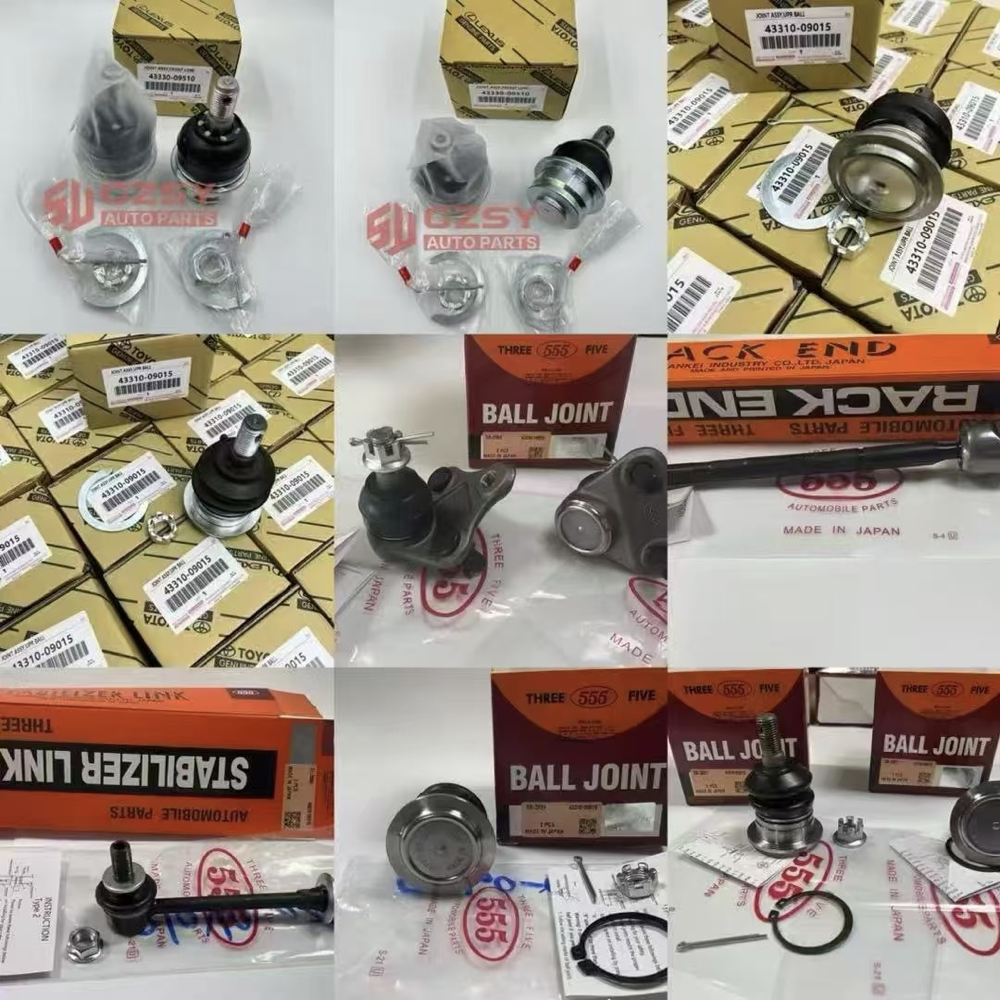
When maintaining or repairing your Nissan vehicle, choosing between OEM and aftermarket Nissan auto parts represents one of the most critical decisions facing vehicle owners today. This choice directly impacts your vehicle's performance, reliability, warranty coverage, and long-term value. Understanding the fundamental differences between original equipment manufacturer parts and aftermarket alternatives empowers you to make informed decisions that align with your specific needs, budget constraints, and performance expectations.
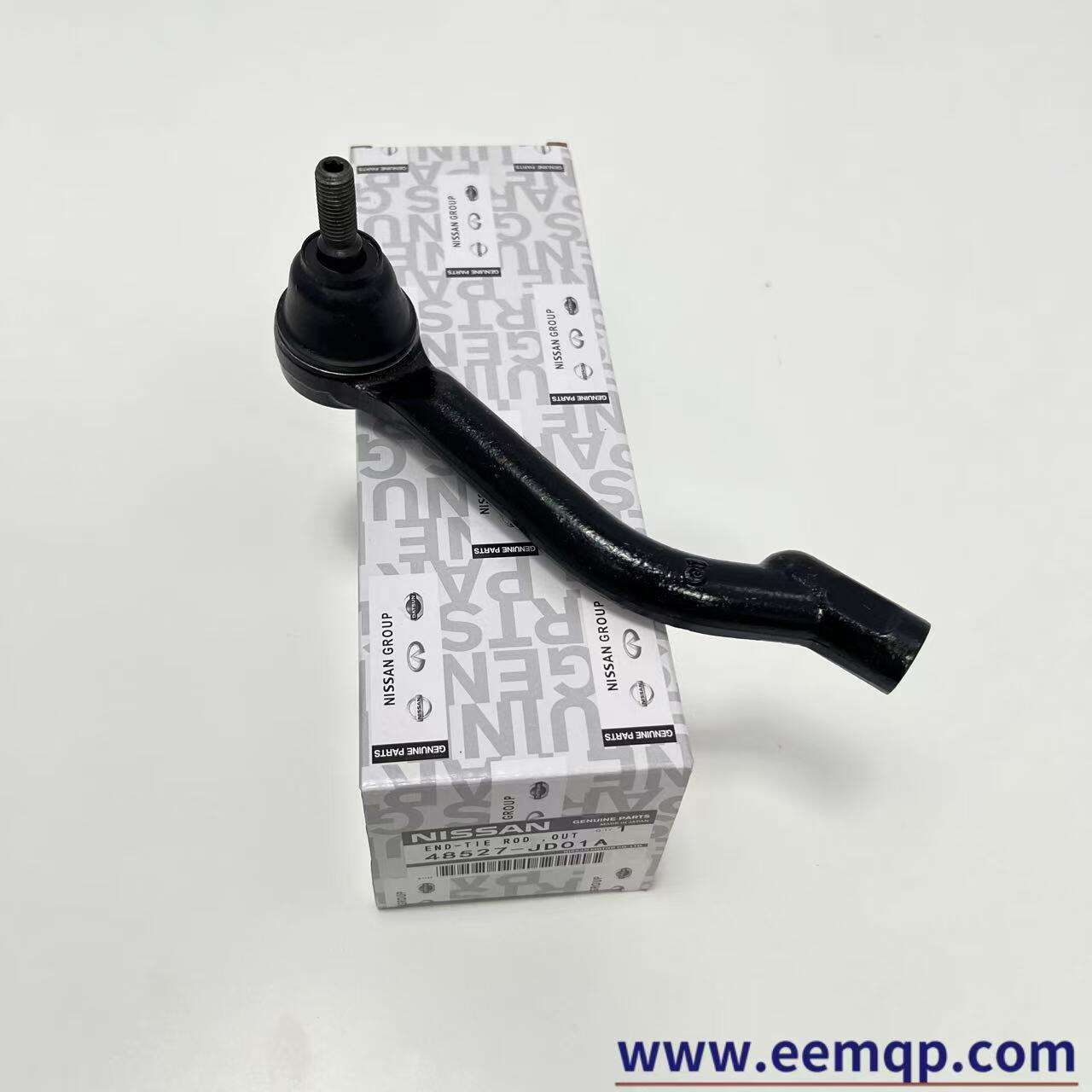
The automotive parts industry has evolved significantly over the past decades, creating a complex marketplace where OEM and aftermarket Nissan auto parts compete for consumer attention. Original equipment manufacturer parts maintain the exact specifications and quality standards established during your vehicle's initial production. These components undergo rigorous testing protocols and quality assurance measures to ensure seamless integration with existing systems. Conversely, aftermarket parts offer alternative solutions that may provide enhanced performance characteristics, cost savings, or specialized applications not available through traditional OEM channels.
Understanding OEM Nissan Auto Parts
Manufacturing Standards and Quality Control
OEM Nissan auto parts adhere to strict manufacturing standards established by Nissan's engineering teams during the vehicle development process. These components undergo extensive testing procedures that simulate real-world driving conditions, environmental stresses, and long-term durability requirements. The quality control measures implemented throughout the production process ensure consistent performance characteristics and reliable operation across diverse operating conditions.
Manufacturing facilities producing OEM parts must meet stringent certification requirements and maintain ongoing compliance with automotive industry standards. This includes adherence to ISO quality management systems, environmental regulations, and safety protocols that govern the production of safety-critical components. The result is a consistent supply of parts that maintain the original performance specifications and reliability characteristics established during vehicle development.
Warranty Coverage and Support
OEM Nissan auto parts typically include comprehensive warranty coverage that provides peace of mind for vehicle owners. These warranties often extend beyond the basic component coverage to include related systems and labor costs associated with installation and potential failures. The warranty terms reflect the manufacturer's confidence in the part's quality and longevity, providing financial protection against premature failures or defects.
Support infrastructure for OEM parts includes technical documentation, installation procedures, and troubleshooting resources developed by the original engineering teams. This comprehensive support system ensures proper installation and optimal performance while maintaining compatibility with existing vehicle systems. Authorized service centers have access to detailed technical information and specialized tools required for proper installation and calibration procedures.
Exploring Aftermarket Nissan Auto Parts
Innovation and Performance Enhancement
Aftermarket Nissan auto parts often incorporate innovative technologies and materials that may exceed original specifications. These components benefit from ongoing research and development efforts by specialized manufacturers who focus on specific automotive systems or performance applications. The competitive nature of the aftermarket industry drives continuous improvement in materials, manufacturing processes, and performance characteristics.
Performance-oriented aftermarket parts frequently offer enhanced capabilities that surpass OEM specifications. These improvements may include increased durability, improved efficiency, enhanced performance characteristics, or specialized features designed for specific applications. The aftermarket industry's ability to respond quickly to emerging technologies and market demands often results in innovative solutions that push the boundaries of traditional automotive components.
Cost Considerations and Value Proposition
Aftermarket Nissan auto parts typically offer significant cost savings compared to OEM alternatives, making vehicle maintenance more accessible for budget-conscious consumers. These savings result from competitive manufacturing processes, reduced overhead costs, and economies of scale achieved by specialized manufacturers. The cost advantages become particularly pronounced for older vehicles where OEM parts may be discontinued or available only through expensive special order processes.
Value propositions extend beyond initial purchase price to include factors such as availability, performance improvements, and specialized features. Many aftermarket manufacturers offer enhanced warranty terms or performance guarantees that rival or exceed OEM coverage. The competitive marketplace encourages manufacturers to differentiate their products through superior customer service, technical support, and innovative features that provide additional value to consumers.
Quality Comparison and Testing Standards
Material Science and Engineering
Quality differences between OEM and aftermarket Nissan auto parts often reflect variations in material selection, manufacturing processes, and engineering approaches. OEM parts utilize materials and specifications established during vehicle development, ensuring compatibility and proven performance characteristics. These materials undergo extensive testing to validate their suitability for specific applications and operating conditions.
Aftermarket manufacturers may employ alternative materials or manufacturing techniques that provide different performance characteristics or cost advantages. Some aftermarket parts utilize advanced materials or innovative manufacturing processes that offer improved performance over original specifications. However, quality varies significantly among aftermarket manufacturers, requiring careful evaluation of specific brands and products to ensure adequate performance and reliability.
Testing Protocols and Certification
Testing standards for Nissan auto parts vary considerably between OEM and aftermarket manufacturers. OEM parts undergo comprehensive testing protocols that validate performance across diverse operating conditions, environmental exposures, and long-term durability requirements. These tests simulate real-world conditions and include accelerated aging procedures to predict long-term performance characteristics.
Reputable aftermarket manufacturers implement rigorous testing procedures that may equal or exceed OEM standards. However, testing protocols vary significantly among manufacturers, with some implementing comprehensive validation procedures while others may rely on basic functional testing. Understanding the specific testing standards and certification requirements helps consumers evaluate the relative quality and reliability of different aftermarket options.
Installation Considerations and Compatibility
Fit and Finish Requirements
Installation compatibility represents a critical factor when selecting between OEM and aftermarket Nissan auto parts. OEM components guarantee precise fit and finish characteristics that ensure proper installation without modifications or adjustments. These parts maintain exact dimensional specifications and interface requirements established during vehicle design, eliminating potential compatibility issues or installation complications.
Aftermarket parts may require careful evaluation of fit and finish characteristics to ensure proper installation and optimal performance. Quality aftermarket manufacturers maintain precise dimensional specifications and interface requirements that match OEM standards. However, variations in manufacturing tolerances or design interpretations may occasionally require minor adjustments or modifications during installation.
System Integration and Calibration
Modern vehicles incorporate sophisticated electronic systems that require precise calibration and integration procedures for optimal performance. OEM Nissan auto parts include specific programming parameters and calibration requirements that ensure seamless integration with existing vehicle systems. These parameters reflect extensive development testing and validation procedures performed during vehicle development.
Aftermarket parts may require specialized programming or calibration procedures to achieve optimal integration with vehicle systems. Some aftermarket manufacturers provide detailed technical documentation and calibration procedures to ensure proper installation and performance. However, complex electronic systems may require specialized diagnostic equipment or procedures that are only available through authorized service centers.
Cost Analysis and Long-Term Value
Initial Investment and Total Ownership Costs
Cost analysis for Nissan auto parts requires consideration of multiple factors beyond initial purchase price. OEM parts typically command premium pricing that reflects extensive development costs, quality assurance procedures, and comprehensive warranty coverage. This initial investment often provides long-term value through proven reliability, optimal performance, and reduced likelihood of premature failure.
Total ownership costs include factors such as installation complexity, warranty coverage, performance characteristics, and potential impacts on related systems. OEM parts generally provide predictable performance and reliability characteristics that minimize unexpected repair costs or system interactions. The comprehensive warranty coverage and technical support infrastructure provide additional value that may offset higher initial costs over the vehicle's ownership period.
Resale Value and Market Perception
Vehicle resale value considerations often favor the use of OEM parts for major repairs and maintenance procedures. Potential buyers typically perceive OEM maintenance as an indicator of proper care and attention to vehicle preservation. Documentation of OEM part usage may positively influence resale value and buyer confidence, particularly for higher-value vehicles or models with strong resale markets.
Aftermarket parts may impact resale value differently depending on the specific components, quality levels, and market perceptions. High-quality aftermarket parts from reputable manufacturers may have minimal impact on resale value, while inferior quality components could negatively affect buyer perception and market value. Performance-oriented aftermarket modifications may appeal to specific buyer segments while potentially limiting broader market appeal.
Making Informed Decisions
Application-Specific Considerations
Selecting appropriate Nissan auto parts requires careful evaluation of specific application requirements, performance expectations, and operating conditions. Critical safety systems such as braking, steering, and suspension components may warrant OEM specifications to ensure optimal safety and reliability characteristics. These systems directly impact vehicle safety and may have legal or insurance implications that favor OEM compliance.
Non-critical components such as exterior trim, interior accessories, or performance enhancement parts may present opportunities for aftermarket alternatives that offer cost savings or improved functionality. These applications allow greater flexibility in part selection while minimizing potential safety or reliability concerns. Careful evaluation of specific requirements and performance expectations guides appropriate part selection decisions.
Research and Evaluation Strategies
Effective evaluation of Nissan auto parts requires comprehensive research of manufacturer reputation, product specifications, warranty terms, and user experiences. Reputable manufacturers provide detailed technical documentation, performance specifications, and testing data that support informed decision-making. Customer reviews and professional evaluations offer valuable insights into real-world performance and reliability characteristics.
Professional consultation with qualified technicians or automotive specialists provides valuable guidance for complex repairs or critical component selection. These professionals possess practical experience with various parts options and can provide recommendations based on specific vehicle requirements and operating conditions. Their expertise helps avoid potential compatibility issues or performance problems that may not be apparent from product documentation alone.
FAQ
What are the main advantages of using OEM Nissan auto parts over aftermarket alternatives
OEM Nissan auto parts offer guaranteed compatibility, proven reliability, comprehensive warranty coverage, and maintain vehicle resale value. These parts undergo extensive testing and quality control procedures that ensure consistent performance and longevity. The warranty coverage typically includes related systems and provides comprehensive protection against defects or premature failures. Additionally, OEM parts maintain the original vehicle specifications and performance characteristics established during development.
How can I identify high-quality aftermarket Nissan auto parts
High-quality aftermarket Nissan auto parts can be identified through several key indicators including manufacturer reputation, comprehensive warranty coverage, detailed technical specifications, and positive customer reviews. Reputable manufacturers provide extensive technical documentation, testing data, and certification information that demonstrates product quality. Look for manufacturers with established industry presence, quality certifications, and comprehensive customer support infrastructure.
Are aftermarket parts safe to use in critical vehicle systems
Aftermarket parts can be safe for critical vehicle systems when sourced from reputable manufacturers who maintain strict quality standards and testing protocols. However, safety-critical components such as braking, steering, and suspension systems require careful evaluation and may warrant OEM specifications for optimal safety assurance. Professional installation and proper verification of compatibility and performance characteristics are essential for maintaining vehicle safety.
How do warranty considerations differ between OEM and aftermarket parts
OEM parts typically include comprehensive warranty coverage that extends beyond the component to include related systems and labor costs. These warranties are backed by the vehicle manufacturer's service network and established support infrastructure. Aftermarket warranties vary significantly among manufacturers, with some offering comprehensive coverage that rivals OEM terms while others provide basic component warranties. Careful evaluation of warranty terms, coverage scope, and claim procedures is essential when comparing options.