 EN
EN

The automotive aftermarket continues to evolve rapidly, and Nissan vehicle owners are increasingly seeking high-quality replacement components to maintain optimal performance. Understanding which Nissan auto parts deliver the best value proposition requires careful analysis of reliability metrics, cost-effectiveness, and long-term durability. This comprehensive guide examines the most strategic investments for Nissan owners looking to maximize their vehicle's lifespan while minimizing unexpected repair costs. From critical safety components to performance-enhancing upgrades, selecting the right Nissan auto parts can significantly impact your driving experience and vehicle resale value.
Essential Engine Components for Long-Term Reliability
Air Filtration Systems and Performance Enhancement
Engine air filters represent one of the most cost-effective Nissan auto parts investments for maintaining optimal combustion efficiency. These components directly influence fuel economy, engine longevity, and overall performance characteristics. High-quality air filters prevent contaminants from entering the engine bay while ensuring adequate airflow for proper fuel mixture ratios. Regular replacement intervals typically range from 12,000 to 15,000 miles, depending on driving conditions and environmental factors.
Performance-oriented air filter upgrades can provide measurable improvements in horsepower and torque output across various Nissan models. These enhanced filtration systems often feature reusable designs that offer long-term cost savings compared to standard disposable alternatives. When selecting premium air filtration Nissan auto parts, consider factors such as material construction, filtration efficiency ratings, and compatibility with your specific engine configuration.
Fuel System Optimization Components
Fuel pumps and injectors constitute critical elements within the Nissan fuel delivery system that require periodic attention to maintain peak operating conditions. These sophisticated components operate under extreme pressures and temperatures, making quality replacement parts essential for preventing costly engine damage. Modern Nissan vehicles incorporate advanced fuel injection technologies that demand precise calibration and reliable component performance.
Investing in OEM-equivalent fuel system Nissan auto parts ensures compatibility with existing engine management systems while providing the durability needed for extended service intervals. Professional installation of these components often includes comprehensive system cleaning and calibration procedures that optimize overall fuel delivery performance. Quality fuel system components can prevent issues such as rough idling, reduced fuel economy, and potential engine knock conditions.
Suspension and Steering System Investments
Shock Absorber and Strut Assembly Selection
Suspension components significantly impact vehicle safety, comfort, and handling characteristics across all Nissan model lines. Premium shock absorbers and strut assemblies provide superior damping control while maintaining optimal tire contact with road surfaces. These critical Nissan auto parts directly influence braking distances, cornering stability, and overall ride quality throughout various driving scenarios.
Advanced suspension technologies such as gas-charged dampers and adjustable rebound settings offer enhanced performance capabilities for enthusiast drivers. When evaluating suspension upgrade options, consider factors such as load capacity, temperature stability, and compatibility with existing spring rates. Quality suspension Nissan auto parts often include comprehensive warranty coverage that provides additional peace of mind for significant investments.
Steering Component Reliability and Safety
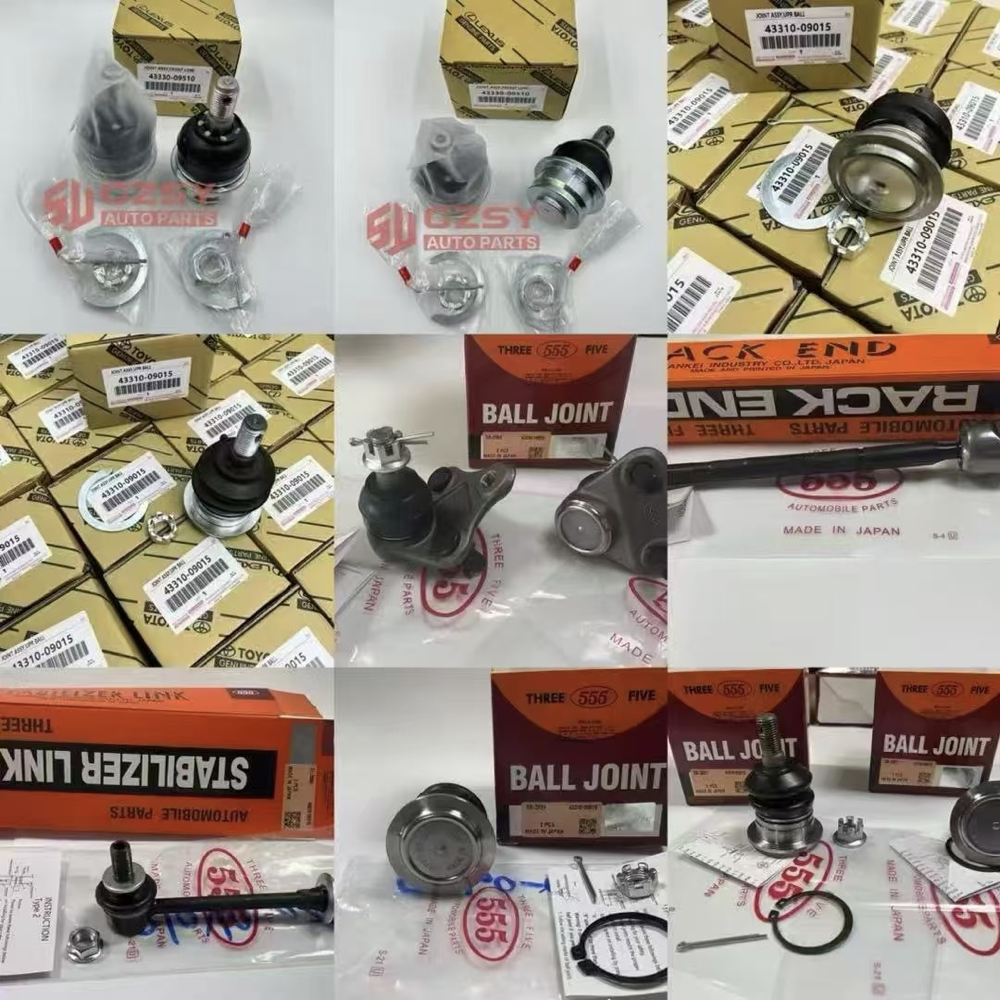
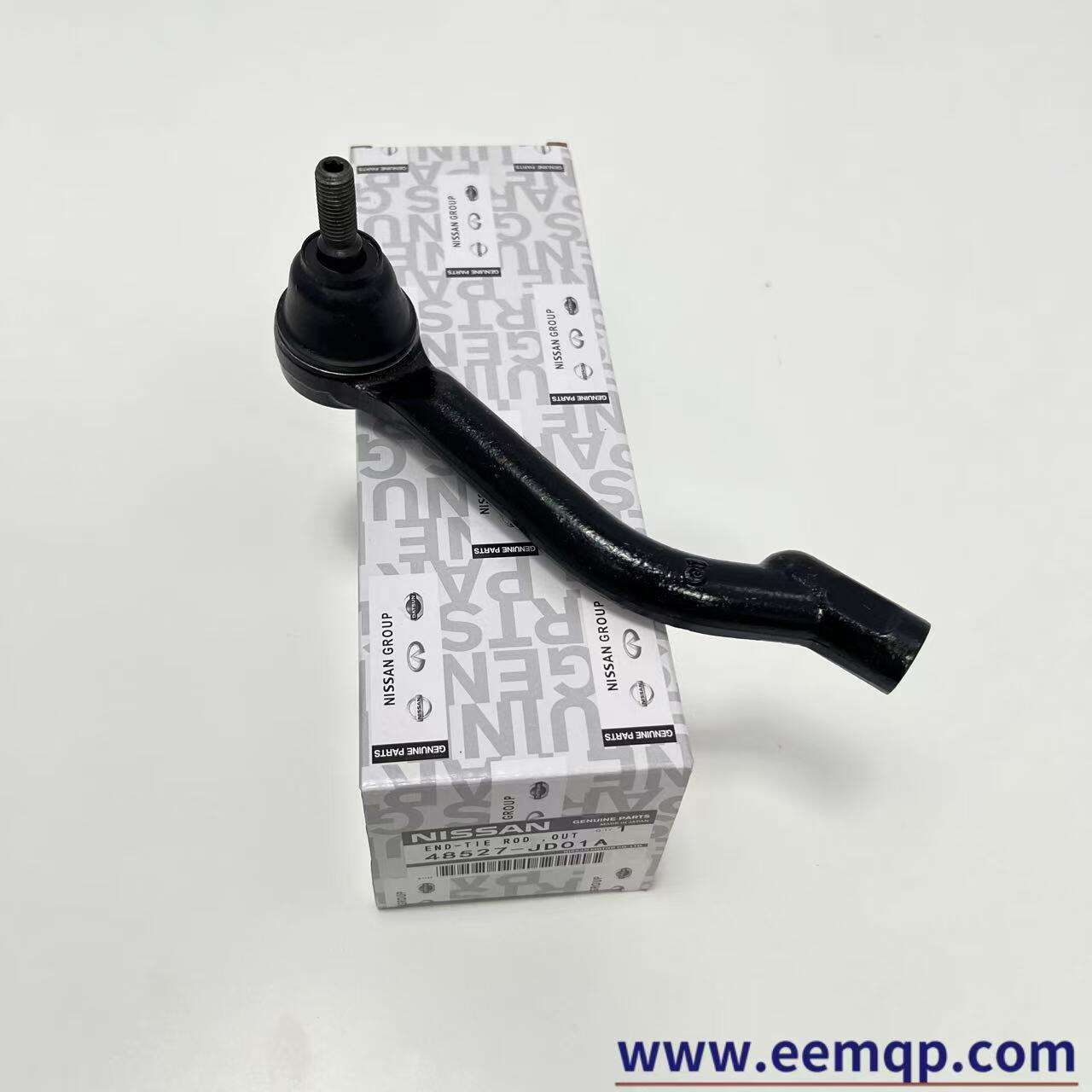
Tie rod ends, ball joints, and steering rack components require careful attention to maintain precise vehicle control and prevent dangerous handling situations. These safety-critical Nissan auto parts operate under continuous stress loads that can lead to gradual wear and eventual failure if not properly maintained. Regular inspection intervals help identify potential issues before they compromise vehicle safety or create expensive secondary damage.
Professional-grade steering components often incorporate advanced materials and precision manufacturing processes that extend service life significantly beyond standard replacement parts. When selecting steering system Nissan auto parts, prioritize components that meet or exceed original equipment specifications for dimensional accuracy and load-bearing capacity. Proper installation techniques and torque specifications ensure optimal performance and prevent premature component failure.
Brake System Components and Safety Considerations
Brake Pad and Rotor Selection Strategies
Brake system performance directly impacts vehicle safety and driver confidence across all operating conditions. High-quality brake pads provide consistent stopping power while minimizing noise, dust generation, and rotor wear patterns. These essential Nissan auto parts must withstand extreme temperatures and pressures while maintaining predictable friction characteristics throughout their service life.
Premium brake pad compounds offer enhanced performance capabilities such as improved fade resistance, reduced stopping distances, and extended service intervals. When evaluating brake system Nissan auto parts, consider factors such as driving style, vehicle weight, and typical operating conditions. Performance-oriented brake components often require specific break-in procedures to achieve optimal friction characteristics and prevent premature wear.
Brake Fluid and Hydraulic System Maintenance
Brake fluid represents one of the most overlooked yet critical Nissan auto parts that requires regular attention to maintain system integrity. This specialized hydraulic fluid absorbs moisture over time, leading to reduced boiling points and potential system corrosion. Quality brake fluid formulations provide superior moisture resistance and thermal stability under extreme operating conditions.
Advanced brake fluid specifications such as DOT 4 or DOT 5.1 formulations offer enhanced performance characteristics for high-stress applications. Regular brake fluid service intervals help prevent internal component corrosion while ensuring consistent pedal feel and system responsiveness. When performing brake fluid service, complete system flushing removes accumulated contaminants and ensures optimal hydraulic performance.
Electrical System and Battery Management
Battery Technology and Performance Optimization
Modern Nissan vehicles incorporate sophisticated electrical systems that demand reliable battery performance for optimal operation. Advanced battery technologies such as absorbed glass mat and enhanced flooded designs provide superior power delivery and extended service life. These critical Nissan auto parts must withstand extreme temperature variations while maintaining consistent voltage output across various load conditions.
Premium battery options often include advanced features such as enhanced cold cranking amperage ratings, extended warranty coverage, and maintenance-free operation. When selecting battery Nissan auto parts, consider factors such as climate conditions, driving patterns, and electrical accessory loads. Proper battery installation and charging system maintenance ensure optimal performance and prevent premature component failure.
Alternator and Charging System Components
Alternators generate electrical power for vehicle operation while maintaining battery charge levels during normal driving conditions. These sophisticated Nissan auto parts incorporate precision-wound armatures and advanced voltage regulation systems that ensure consistent power delivery. Regular alternator maintenance helps prevent unexpected failures that can leave drivers stranded in inconvenient locations.
High-output alternator upgrades provide enhanced charging capacity for vehicles equipped with additional electrical accessories or performance modifications. When evaluating charging system Nissan auto parts, consider factors such as amperage output, mounting configuration, and compatibility with existing wiring harnesses. Quality alternator components often include comprehensive testing procedures that verify proper voltage regulation and output characteristics.
Cooling System and Temperature Management
Radiator and Heat Exchanger Efficiency
Engine cooling systems maintain optimal operating temperatures while preventing overheating conditions that can cause catastrophic engine damage. Modern radiators incorporate advanced core designs and materials that maximize heat transfer efficiency while minimizing pressure drops. These vital Nissan auto parts must withstand thermal cycling and corrosion while maintaining leak-free operation throughout extended service intervals.
Performance radiator upgrades often feature increased core thickness, enhanced fin designs, and premium construction materials that improve cooling capacity significantly. When selecting cooling system Nissan auto parts, consider factors such as ambient temperature conditions, engine modifications, and towing requirements. Proper coolant system maintenance prevents corrosion buildup and ensures optimal heat transfer performance.
Water Pump and Circulation System Components
Water pumps circulate coolant throughout the engine and radiator system to maintain consistent temperature control. These mechanical Nissan auto parts operate continuously during engine operation, making reliability and durability primary selection criteria. Quality water pump components incorporate precision bearings and impeller designs that provide long service life with minimal maintenance requirements.
Timing belt-driven water pumps often require replacement during belt service intervals to prevent potential interference engine damage. When performing water pump service, comprehensive cooling system flushing removes accumulated debris and ensures optimal circulation performance. Premium water pump Nissan auto parts frequently include enhanced sealing systems and corrosion-resistant materials that extend service intervals significantly.
Transmission and Drivetrain Components
Transmission Fluid and Filter Maintenance
Automatic transmission systems require specialized fluids and filtration components to maintain optimal shifting performance and component longevity. These sophisticated Nissan auto parts operate under extreme pressures and temperatures while providing precise hydraulic control for gear selection. Regular transmission service prevents premature wear and maintains smooth operation throughout the vehicle's service life.
Advanced transmission fluid formulations provide enhanced thermal stability, friction characteristics, and oxidation resistance compared to conventional alternatives. When selecting transmission Nissan auto parts, ensure compatibility with specific transmission types and operating requirements. Quality transmission components often include comprehensive service procedures that optimize system performance and extend component life.
CV Joints and Axle Assembly Considerations
Constant velocity joints transfer power from the transmission to the wheels while accommodating suspension movement and steering input. These critical Nissan auto parts must withstand continuous rotational forces and angular deflections throughout various driving conditions. Premium CV joint assemblies incorporate advanced materials and precision manufacturing processes that provide extended service intervals.
Complete axle assembly replacement often provides better long-term value compared to individual joint repair, especially for high-mileage vehicles. When evaluating drivetrain Nissan auto parts, consider factors such as boot material quality, grease specifications, and compatibility with existing differential components. Proper installation techniques ensure optimal joint operation and prevent premature wear patterns.
FAQ
What factors should I consider when selecting quality Nissan auto parts for my vehicle
When choosing Nissan auto parts, prioritize OEM compatibility, manufacturer warranties, and material quality specifications. Consider your driving patterns, climate conditions, and performance requirements to select components that match your specific needs. Research supplier reputation, customer reviews, and technical support availability to ensure reliable long-term performance. Always verify part numbers and compatibility before making significant investments in replacement components.
How often should I replace critical Nissan auto parts like brake pads and air filters
Brake pad replacement intervals typically range from 30,000 to 70,000 miles depending on driving conditions and pad compound selection. Air filters generally require replacement every 12,000 to 15,000 miles under normal conditions, with more frequent changes needed in dusty environments. Follow manufacturer recommendations while monitoring component condition during regular maintenance intervals to optimize replacement timing and prevent unexpected failures.
Are aftermarket Nissan auto parts as reliable as original equipment components
High-quality aftermarket Nissan auto parts can match or exceed OEM performance when manufactured to proper specifications and quality standards. Research manufacturer certifications, testing procedures, and warranty coverage to identify reliable aftermarket suppliers. Some aftermarket components offer enhanced performance characteristics or extended service intervals compared to original equipment alternatives. Always verify compatibility and installation requirements before selecting aftermarket replacement options.
What warning signs indicate that specific Nissan auto parts need immediate replacement
Common warning signs include unusual noises, vibrations, fluid leaks, warning lights, and changes in vehicle performance or handling characteristics. Brake system issues may present as squealing sounds, vibrating pedal feel, or increased stopping distances. Suspension problems often manifest as excessive bouncing, uneven tire wear, or poor handling response. Address warning signs promptly to prevent secondary damage and ensure continued vehicle safety and reliability.
Table of Contents
- Essential Engine Components for Long-Term Reliability
- Suspension and Steering System Investments
- Brake System Components and Safety Considerations
- Electrical System and Battery Management
- Cooling System and Temperature Management
- Transmission and Drivetrain Components
-
FAQ
- What factors should I consider when selecting quality Nissan auto parts for my vehicle
- How often should I replace critical Nissan auto parts like brake pads and air filters
- Are aftermarket Nissan auto parts as reliable as original equipment components
- What warning signs indicate that specific Nissan auto parts need immediate replacement