 EN
EN

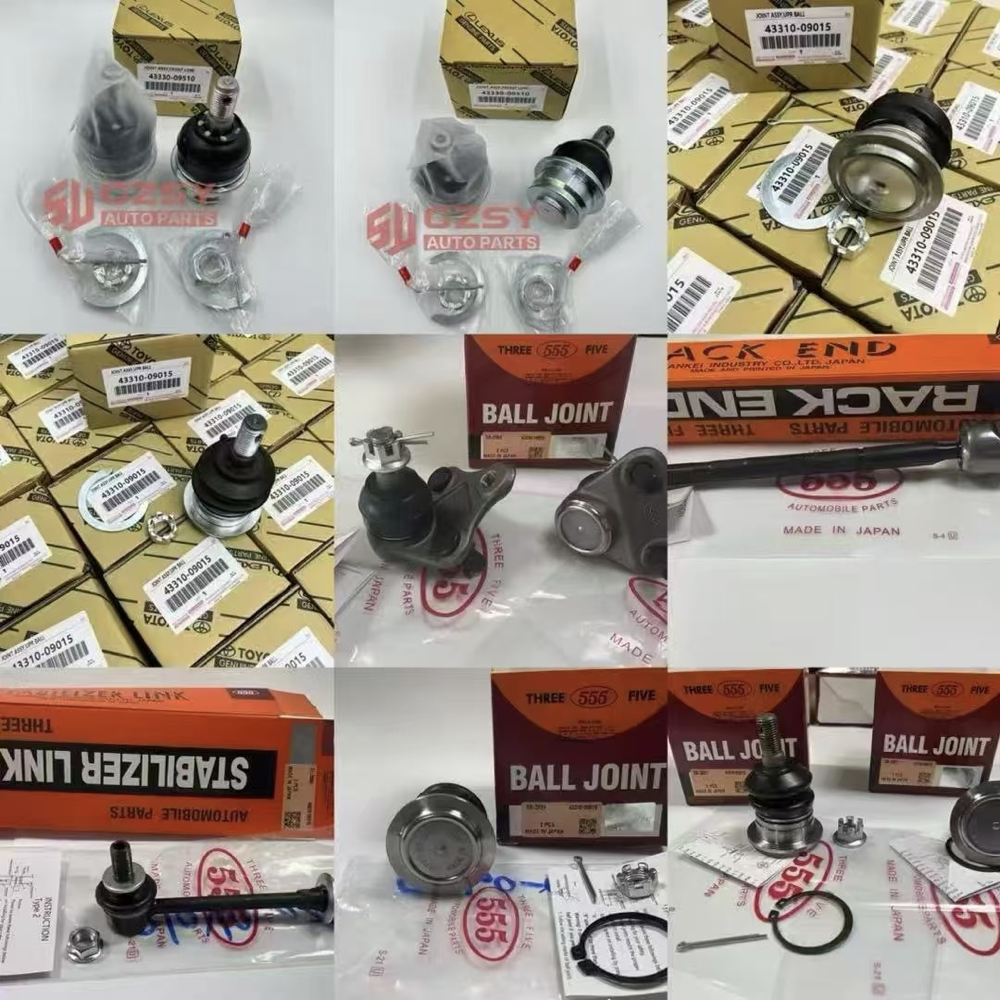
Chiny stały się światowym liderem w produkcji motoryzacyjnej, goszcząc liczne światowej klasy zakłady produkujące wysokiej jakości komponenty do pojazdów na całym świecie. Chińskie fabryki części samochodowych zrewolucjonizowały branżę dzięki zaawansowanym technikom produkcji, konkurencyjnym cenom i rozbudowanym sieciom dostaw, obsługującym zarówno rynek krajowy, jak i międzynarodowy.
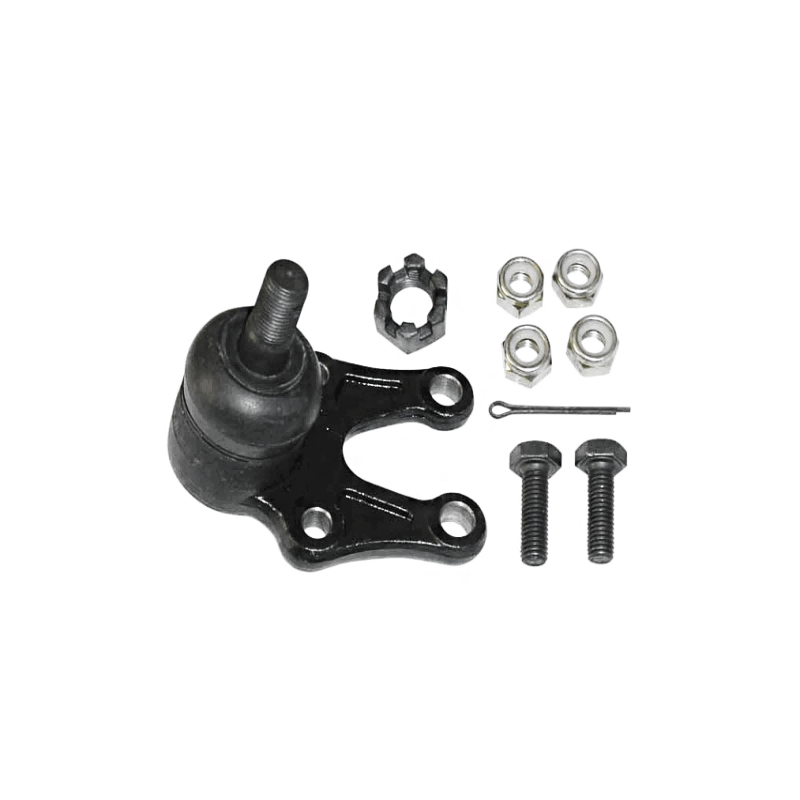
Sektor produkcji podzespołów samochodowych w Chinach stanowi jeden z najbardziej zaawansowanych ekosystemów przemysłowych na świecie. Zakłady te wykorzystują najnowocześniejsze technologie, wykwalifikowaną siłę roboczą i strategiczne położenie geograficzne, aby dostarczać kompleksowe rozwiązania dla producentów samochodów. Zrozumienie specyfiki chińskiej produkcji części samochodowych staje się kluczowe dla firm poszukujących niezawodnych dostawców i opłacalnych rozwiązań produkcyjnych.
Nowoczesne chińskie zakłady produkcyjne zainwestowały znaczne środki w badania i rozwój, systemy kontroli jakości oraz działania na rzecz zrównoważonego rozwoju środowiska. Ta transformacja uczyniła z Chin preferowany cel dla firm motoryzacyjnych, które chcą pozyskiwać wysokiej jakości komponenty, utrzymując jednocześnie konkurencyjne koszty produkcji. Integracja technologii Przemysłu 4.0 dodatkowo zwiększyła możliwości tych centrów produkcyjnych.
Doskonałość produkcyjna w chińskiej produkcji samochodów
Zaawansowane technologie produkcyjne
Wiodące fabryki części samochodowych w Chinach wdrożyły zaawansowane technologie produkcyjne, w tym robotykę, sztuczną inteligencję i precyzyjne systemy obróbki. Zakłady te wykorzystują linie produkcyjne sterowane komputerowo, które zapewniają stałe standardy jakości przy jednoczesnej maksymalizacji wydajności operacyjnej. Wdrożenie koncepcji inteligentnej produkcji pozwoliło tym fabrykom osiągnąć niezwykłą precyzję produkcji podzespołów.
Systemy zarządzania jakością w chińskich zakładach produkujących samochody spełniają międzynarodowe normy, takie jak ISO/TS 16949 i ISO 9001. Certyfikaty te świadczą o zaangażowaniu producentów w utrzymanie światowej klasy procesów kontroli jakości. Zaawansowany sprzęt testowy i protokoły kontroli gwarantują, że każdy komponent spełnia rygorystyczne wymagania branży motoryzacyjnej przed wysyłką do klientów na całym świecie.
Integracja technologii cyfrowych przekształciła tradycyjne procesy produkcyjne w wysoce wydajne i transparentne operacje. Systemy monitorowania w czasie rzeczywistym śledzą wskaźniki produkcji, parametry jakości i logistykę łańcucha dostaw, aby zoptymalizować ogólną wydajność. Ten postęp technologiczny zapewnił chińskim producentom pozycję konkurencyjnych dostawców na globalnym rynku motoryzacyjnym.
Specjalistyczne możliwości produkcyjne
Chińscy producenci podzespołów samochodowych zdobyli specjalistyczną wiedzę specjalistyczną w różnych kategoriach produktów, w tym w komponentach silników, układach przeniesienia napędu, mechanizmach hamulcowych i elementach zawieszenia. Każdy zakład produkcyjny zazwyczaj koncentruje się na konkretnych liniach produktów, aby zmaksymalizować wydajność i utrzymać specjalistyczną wiedzę w swoich dziedzinach.
Możliwości produkcyjne obejmują wiele segmentów motoryzacyjnych, w tym samochody osobowe, pojazdy ciężarowe, motocykle i pojazdy elektryczne. Ta dywersyfikacja pozwala producentom obsługiwać różne segmenty rynku, jednocześnie zmniejszając zależność od konkretnych kategorii motoryzacyjnych. Elastyczność w planowaniu produkcji i możliwości personalizacji sprawiają, że zakłady te są atrakcyjnymi partnerami dla międzynarodowych firm motoryzacyjnych.
Inwestycje w specjalistyczne narzędzia i sprzęt umożliwiają chińskim producentom wytwarzanie złożonych komponentów o ścisłych tolerancjach i doskonałej jakości wykończenia powierzchni. Ciągłe doskonalenie procesów produkcyjnych gwarantuje, że zakłady te pozostają konkurencyjne pod względem jakości i opłacalności w porównaniu z globalnymi alternatywami.
Strategiczne rozmieszczenie geograficzne centrów produkcyjnych
Regionalne Centra Produkcyjne
Fabryki części samochodowych w Chinach są strategicznie rozmieszczone w wielu prowincjach, z głównymi skupiskami w regionach oferujących optymalną logistykę, wykwalifikowaną siłę roboczą i infrastrukturę. Region delty rzeki Jangcy, obejmujący prowincje Szanghaj, Jiangsu i Zhejiang, jest siedzibą licznych producentów zaawansowanych technologicznie podzespołów samochodowych, obsługujących zarówno rynek krajowy, jak i międzynarodowy.
Delta Rzeki Perłowej w prowincji Guangdong to kolejny znaczący ośrodek przemysłowy, w którym dostawcy branży motoryzacyjnej korzystają z bliskości głównych portów i rozbudowanej sieci łańcuchów dostaw. Region ten specjalizuje się w produkcji precyzyjnych komponentów, systemów elektronicznych i części zamiennych. Koncentracja wiedzy specjalistycznej w zakresie produkcji tworzy synergię, która zwiększa ogólną konkurencyjność.
Regiony północnych Chin, szczególnie wokół Pekinu i Tianjinu, koncentrują się na komponentach do ciężkich pojazdów użytkowych oraz specjalistycznych systemach motoryzacyjnych. Dystrybucja geograficzna pozwala producentom optymalizować koszty logistyczne, jednocześnie skutecznie obsługując określone segmenty rynku. Każdy region wypracował unikalne atuty oparte na lokalnym potencjale przemysłowym i bliskości rynku.
Zalety infrastruktury i logistyki
Chińskie regiony produkcyjne korzystają ze światowej klasy infrastruktury transportowej, w tym sieci kolei dużych prędkości, nowoczesnych autostrad i wydajnych portów. Infrastruktura ta umożliwia szybki transport surowców i produktów gotowych, skracając czas realizacji zamówień i koszty transportu dla producentów samochodów i ich dostawców.
Dostępność wyspecjalizowanych parków przemysłowych i stref produkcyjnych zapewnia dostawcom z branży motoryzacyjnej dostęp do wspólnych zasobów, mediów i usług wsparcia. Te klastry przemysłowe generują korzyści skali, które przynoszą korzyści poszczególnym producentom, jednocześnie wspierając innowacyjność i współpracę w ekosystemie łańcucha dostaw w branży motoryzacyjnej.
Strategiczna bliskość głównych zakładów montażowych branży motoryzacyjnej umożliwia dostawcom podzespołów wdrażanie systemów dostaw just-in-time, które minimalizują koszty magazynowania, zapewniając jednocześnie niezawodną wydajność łańcucha dostaw. Integracja między producentami podzespołów a firmami montażowymi pojazdów tworzy wydajne sieci produkcyjne, które zwiększają ogólną konkurencyjność.
Normy jakości i procesy certyfikacji
Międzynarodowe Systemy Zarządzania Jakością
Wiodący producenci podzespołów samochodowych w Chinach wdrożyli kompleksowe systemy zarządzania jakością, zgodne z międzynarodowymi standardami branży motoryzacyjnej. Wdrożenie certyfikatu ISO/TS 16949 gwarantuje, że procesy produkcyjne spełniają rygorystyczne wymagania jakościowe w całym cyklu życia produktu.
Procesy kontroli jakości obejmują kontrolę materiałów przychodzących, monitorowanie w trakcie produkcji oraz testowanie produktu końcowego, aby zagwarantować niezawodność i wydajność komponentów. Zaawansowane laboratoria testowe, wyposażone w zaawansowany sprzęt pomiarowy, weryfikują dokładność wymiarową, właściwości materiałów i funkcjonalność komponentów samochodowych przed dostawą do klienta.
Inicjatywy ciągłego doskonalenia koncentrują się na eliminacji defektów, redukcji zmienności i zwiększaniu wydajności procesów poprzez statystyczne metody kontroli procesów. Wdrożenie Six Sigma i zasad szczupłego wytwarzania umożliwiło fabryki części samochodowych w Chinach aby osiągnąć jakość wykonania na światowym poziomie, przy jednoczesnym utrzymaniu konkurencyjnych kosztów produkcji.
Zgodność z przepisami i standardy bezpieczeństwa
Chińscy producenci samochodów przestrzegają zarówno krajowych przepisów, jak i międzynarodowych norm bezpieczeństwa, aby zapewnić swoim produktom dostęp do rynków globalnych. Chiński system obowiązkowej certyfikacji wymaga, aby komponenty samochodowe spełniały określone wymogi bezpieczeństwa i ochrony środowiska przed wprowadzeniem na rynek.
Zgodność z przepisami dotyczącymi ochrony środowiska zyskuje na znaczeniu, ponieważ producenci wdrażają zrównoważone praktyki produkcyjne i ograniczają wpływ na środowisko. Wdrażanie zielonych technologii produkcyjnych i programów redukcji odpadów świadczy o zaangażowaniu chińskich dostawców w ochronę środowiska.
Odpowiedzialność za produkt i kwestie bezpieczeństwa stanowią podstawę kompleksowych protokołów testowych, które weryfikują wydajność komponentów w różnych warunkach eksploatacji. Te programy testowe zapewniają, że części samochodowe spełniają wymagania dotyczące trwałości, niezawodności i bezpieczeństwa w różnych zastosowaniach pojazdów i warunkach rynkowych.
Integracja łańcucha dostaw i partnerstwa globalne
Międzynarodowe sieci współpracy
Chińscy producenci podzespołów samochodowych nawiązali szeroko zakrojone partnerstwa z międzynarodowymi firmami motoryzacyjnymi, tworząc zintegrowane sieci dostaw obejmujące wiele kontynentów. Te relacje partnerskie umożliwiają transfer wiedzy, dzielenie się technologiami i ekspansję rynkową zarówno chińskim dostawcom, jak i globalnym producentom samochodów.
Porozumienia joint venture i alianse strategiczne zapewniają chińskim producentom dostęp do zaawansowanych technologii, międzynarodowych kanałów rynkowych i najlepszych światowych praktyk w produkcji motoryzacyjnej. Partnerstwa te przyspieszają innowacje i zwiększają konkurencyjność, jednocześnie rozszerzając zasięg rynkowy poza granice kraju.
Rozwój globalnego łańcucha dostaw pozwala chińskim producentom obsługiwać międzynarodowych klientów, zapewniając im stałą jakość, niezawodne dostawy i konkurencyjne ceny. Ta globalna obecność wzmacnia pozycję fabryk części samochodowych w Chinach jako preferowanych dostawców dla międzynarodowych koncernów motoryzacyjnych.
Transfer technologii i innowacje
Wspólne programy badawczo-rozwojowe między chińskimi producentami a partnerami międzynarodowymi napędzają innowacje w technologiach komponentów samochodowych. Partnerstwa te koncentrują się na opracowywaniu zaawansowanych materiałów, procesów produkcyjnych i projektów produktów, które poprawiają osiągi pojazdów, jednocześnie obniżając koszty produkcji.
Inwestycje w zaplecze badawczo-rozwojowe umożliwiają chińskim producentom wkład w globalną innowację motoryzacyjną, jednocześnie rozwijając zastrzeżone technologie i własność intelektualną. Ta transformacja potencjału sprawiła, że chińscy dostawcy przekształcili się z producentów nastawionych na koszty w partnerów innowacyjnych, opartych na technologii.
Utworzenie centrów technicznych i ośrodków inżynieryjnych w Chinach przyciąga międzynarodowe talenty i ekspertów, tworząc klastry wiedzy, które przynoszą korzyści całemu ekosystemowi łańcucha dostaw w branży motoryzacyjnej. Ta koncentracja potencjału technicznego zwiększa konkurencyjność chińskich zakładów produkcyjnych.
Trendy rynkowe i przyszły rozwój
Produkcja podzespołów do pojazdów elektrycznych
Przejście na pojazdy elektryczne stworzyło nowe możliwości dla producentów podzespołów samochodowych w Chinach, umożliwiając im rozwój specjalistycznych produktów, takich jak systemy akumulatorów, silniki elektryczne i elektronika mocy. Chińscy producenci zainwestowali znaczne środki w technologie pojazdów elektrycznych, pozycjonując się jako liderzy w tym dynamicznie rozwijającym się segmencie rynku.
Możliwości produkcyjne podzespołów do pojazdów elektrycznych wymagają innej wiedzy specjalistycznej niż w przypadku tradycyjnych części samochodowych, w tym systemów wysokiego napięcia, zarządzania temperaturą i zaawansowanej obróbki materiałów. Chińskie fabryki części samochodowych z powodzeniem dostosowały swoje moce produkcyjne do tych nowych wymagań technologicznych.
Krajowy rynek pojazdów elektrycznych w Chinach stanowi solidny poligon doświadczalny dla nowych technologii i procesów produkcyjnych, umożliwiając dostawcom udoskonalenie swoich możliwości przed ekspansją na rynki międzynarodowe. Ta przewaga rynkowa przyspieszyła rozwój konkurencyjnych możliwości produkcji podzespołów do pojazdów elektrycznych.
Integracja technologii pojazdów autonomicznych
Rozwój technologii pojazdów autonomicznych stwarza zapotrzebowanie na zaawansowane systemy czujników, platformy obliczeniowe i urządzenia komunikacyjne, które wymagają precyzyjnej produkcji. Chińscy producenci podzespołów inwestują w te rozwijające się obszary technologiczne, aby wykorzystać przyszłe możliwości rynkowe.
Współpraca z firmami technologicznymi i instytucjami badawczymi umożliwia dostawcom motoryzacyjnym rozwijanie specjalistycznej wiedzy i możliwości produkcyjnych niezbędnych do produkcji podzespołów do pojazdów autonomicznych. Ta ewolucja technologiczna stanowi istotną szansę rozwoju dla uznanych producentów samochodów.
Integracja technologii sztucznej inteligencji i uczenia maszynowego z procesami produkcyjnymi zwiększa wydajność produkcji, umożliwiając jednocześnie rozwój inteligentnych podzespołów samochodowych. Te możliwości technologiczne stawiają chińskich producentów w czołówce transformacji przemysłu motoryzacyjnego.
Konkurencyjność kosztowa i propozycja wartości
Zalety w zakresie kosztów produkcji
Konkurencyjność cenowa fabryk części samochodowych w Chinach wynika z wielu czynników, takich jak wydajne procesy produkcyjne, korzyści skali oraz zoptymalizowane zarządzanie łańcuchem dostaw. Te zalety pozwalają chińskim producentom oferować konkurencyjne ceny przy jednoczesnym zachowaniu standardów jakości spełniających międzynarodowe wymogi przemysłu motoryzacyjnego.
Poprawa wydajności pracy dzięki automatyzacji i optymalizacji procesów pozwoliła utrzymać przewagę kosztową pomimo rosnącego poziomu płac w Chinach. Inwestycje w zaawansowany sprzęt produkcyjny i programy szkoleniowe zapewniają stałą konkurencyjność na rynkach globalnych, jednocześnie poprawiając warunki pracy i kwalifikacje pracowników.
Zalety pozyskiwania materiałów i ugruntowane relacje z dostawcami zapewniają chińskim producentom ekonomiczny dostęp do surowców i komponentów niezbędnych do produkcji części samochodowych. Taka integracja łańcucha dostaw obniża koszty materiałów, zapewniając jednocześnie niezawodną dostępność dostaw.
Korzyści z całkowitego kosztu posiadania
Wartość propozycji chińskich dostawców motoryzacyjnych wykracza poza początkową cenę zakupu, uwzględniając całkowity koszt posiadania, taki jak jakość, niezawodność i efektywność łańcucha dostaw. Czynniki te przyczyniają się do długoterminowych oszczędności dla producentów samochodów dzięki obniżeniu kosztów gwarancji i poprawie efektywności operacyjnej.
Efektywność logistyczna i możliwości transportowe umożliwiają chińskim producentom dostarczanie komponentów globalnym klientom, oferując konkurencyjne terminy realizacji i koszty transportu. Rozbudowane międzynarodowe sieci transportowe i porty zapewniają niezawodny dostęp do rynków światowych.
Usługi wsparcia technicznego i inżynieryjne świadczone przez chińskich producentów zapewniają wartość dodaną wykraczającą poza dostawę podzespołów, obejmując optymalizację projektu, konsultacje dotyczące produkcji i możliwości rozwiązywania problemów, co przynosi korzyści klientom i działaniom związanym z rozwojem produktów.
Często zadawane pytania
Jakie standardy jakości przestrzegają chińskie fabryki części samochodowych
Chińscy producenci podzespołów samochodowych zazwyczaj wdrażają systemy zarządzania jakością ISO/TS 16949 i ISO 9001, aby zapewnić zgodność z międzynarodowymi normami branży motoryzacyjnej. Zakłady te stosują kompleksowe procesy kontroli jakości, obejmujące inspekcję przychodzącą, monitorowanie w trakcie procesu oraz testy końcowe, aby zagwarantować niezawodność i spójność działania podzespołów.
Jak chińscy producenci radzą sobie z międzynarodową wysyłką i logistyką
Fabryki części samochodowych w Chinach korzystają z ugruntowanych międzynarodowych sieci wysyłkowych i nowoczesnych portów, aby dostarczać komponenty na cały świat, oferując konkurencyjne terminy realizacji. Większość producentów oferuje kompleksowe usługi logistyczne, obejmujące pakowanie, dokumentację i koordynację łańcucha dostaw, aby zapewnić sprawną dostawę do klientów na całym świecie, minimalizując jednocześnie koszty transportu i czas tranzytu.
Jakie korzyści oferują chińscy dostawcy części samochodowych do pojazdów elektrycznych?
Chińscy producenci zainwestowali znaczne środki w technologie komponentów pojazdów elektrycznych, rozwijając specjalistyczne rozwiązania w zakresie systemów akumulatorowych, silników elektrycznych i elektroniki mocy. Duży krajowy rynek pojazdów elektrycznych oferuje szerokie możliwości testowania i korzyści skali, co przekłada się na konkurencyjne ceny i zaawansowane możliwości techniczne dla klientów międzynarodowych.
W jaki sposób chińskie fabryki części samochodowych zapewniają klientom międzynarodowym stałą jakość
Wiodący chińscy dostawcy motoryzacyjni wdrażają zaawansowane systemy zarządzania jakością, obejmujące statystyczną kontrolę procesów, zautomatyzowany sprzęt kontrolny i kompleksowe protokoły testowe. W zakładach tych pracują dedykowane zespoły ds. jakości, przeprowadzane są regularne audyty i wykorzystywane są systemy monitorowania w czasie rzeczywistym, aby zapewnić spójną jakość wszystkich partii produkcyjnych dostarczanych klientom międzynarodowym.
Spis treści
- Doskonałość produkcyjna w chińskiej produkcji samochodów
- Strategiczne rozmieszczenie geograficzne centrów produkcyjnych
- Normy jakości i procesy certyfikacji
- Integracja łańcucha dostaw i partnerstwa globalne
- Trendy rynkowe i przyszły rozwój
- Konkurencyjność kosztowa i propozycja wartości
-
Często zadawane pytania
- Jakie standardy jakości przestrzegają chińskie fabryki części samochodowych
- Jak chińscy producenci radzą sobie z międzynarodową wysyłką i logistyką
- Jakie korzyści oferują chińscy dostawcy części samochodowych do pojazdów elektrycznych?
- W jaki sposób chińskie fabryki części samochodowych zapewniają klientom międzynarodowym stałą jakość