 EN
EN

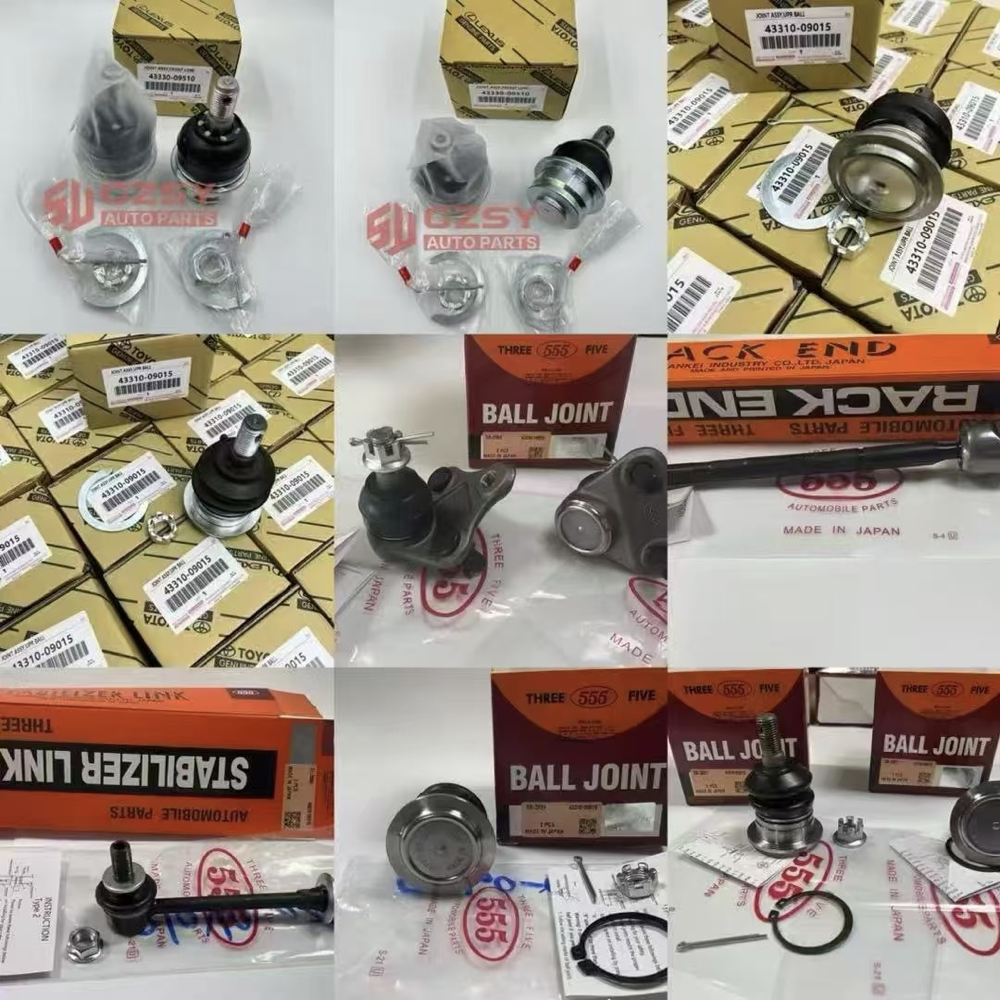
Ավտոմոբիլային արդյունաբերությունը ամբողջ աշխարհում վկայել է արտադրական հնարավորությունների հսկայական աճ տարբեր տարածաշրջաններում, իսկ չինական արտադրությունը ավելի ու ավելի կարևոր դեր է խաղում: Շատ ավտոմեքենաների սեփականատերեր և արդյունաբերության մեջ աշխատող մասնագետներ հաճախ կասկածի տակ են դնում Չինաստանում արտադրված ավտոմեքենայի մասերի հուսալիությունն ու որակի ստանդարտները, հատկապես երբ իրենց մեքենաների համար փոխարինման մասեր են ընտրում: Արտադրության համատեքստի, որակի վերահսկման գործընթացների և սերտիֆիկացման ստանդարտների հասկացությունը օգնում է սպառողներին տեղեկացված որոշումներ կայացնել չինական արտադրողներից ավտոմեքենայի մասեր գնելիս:
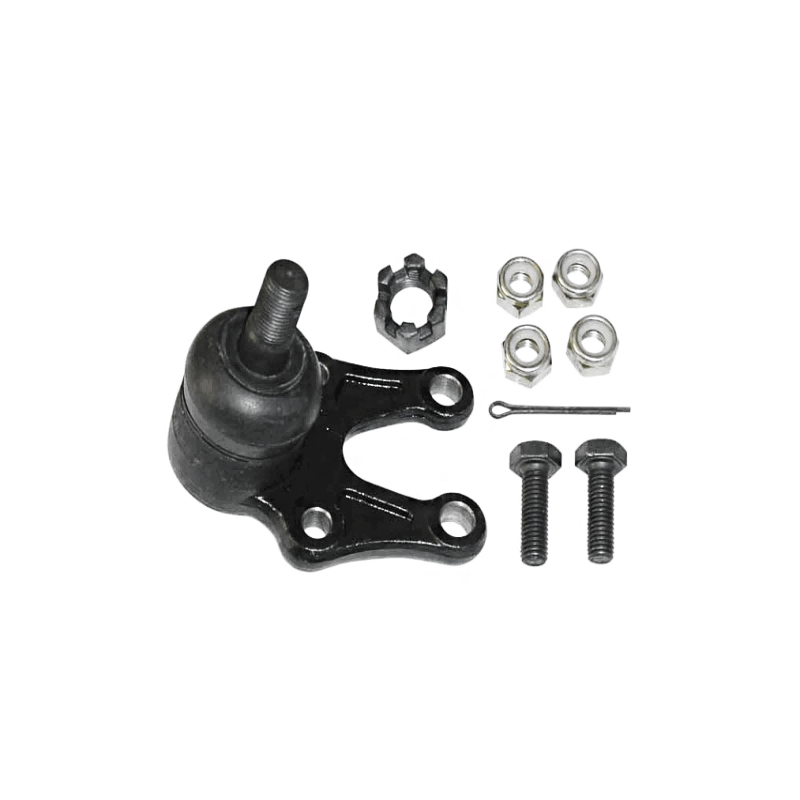
Չինաստանում արտադրության վերաբերյալ ընկալումը վերջին երկու տասնամյակում զգալիորեն փոխվել է՝ անցնելով ցածր ծախսերով արտադրությունից մինչև բարդ արտադրական գործընթացներ, որոնք համապատասխանում են միջազգային որակի ստանդարտներին: Ավտոմեքենաների մասերի արտադրությամբ զբաղվող ժամանակակից ձեռնարկությունները, որոնք գտնվում են Չինաստանում, հաճախ օգտագործում են առաջատար տեխնոլոգիաներ, ավտոմատացված արտադրական գծեր և լիարժեք փորձարկման ընթացակարգեր, որոնք մրցունակ են ավանդական ավտոմոբիլային արտադրության կենտրոններում գտնվողների հետ: Այս վերափոխումը հնարավոր է դարձել տեխնոլոգիաների, աշխատուժի վերապատրաստման և որակի կառավարման համակարգերի մեջ կատարված մեծ ներդրումների շնորհիվ:
Չինաստանի ավտոմոբիլային բաղադրիչների արտադրող ընկերությունները ավելի ու ավելի շատ են ընդունում միջազգային ստանդարտներ՝ օրինակ՝ ISO 9001, TS 16949 և տարբեր ՕԵՄ-ների հատուկ որակի պահանջներ: Այս սերտիֆիկացիաները երաշխավորում են, որ արտադրական գործընթացները, նյութերի մատակարարումը և վերջնական արտադրանքի փորձարկումը համապատասխանում են խիստ միջազգային չափանիշներին: Շատ արտադրամասեր նաև ստեղծել են գլոբալ ավտոմոբիլային բրենդների հետ գործընկերություններ, ինչը լրացուցիչ ամրապնդում է իրենց հավատարմությունը բարձր որակի ստանդարտներին ամբողջ արտադրական գործողությունների ընթացքում:
Արտադրության ստանդարտներ եւ որակի վերահսկում
Միջազգային վավերագրման պահանջներ
Չինաստանում ավտոմեքենայի բաղադրիչներ արտադրող արտադրողները պետք է հետևեն խիստ միջազգային սերտիֆիկացման ստանդարտներին՝ մրցակցելու համաշխարհային շուկայում: ISO/TS 16949 սերտիֆիկացման ստանդարտը, որը մշակվել է հենց ավտոմոբիլային մատակարարների համար, պահանջում է համապարփակ որակի կառավարման համակարգեր, որոնք ընդգրկում են արտադրության բոլոր ասպեկտները՝ սկսած հումքի մատակարարման մինչև վերջնական արտադրանքի մատակարարումը: Այս ստանդարտները ապահովում են, որ Չինաստանում արտադրված ավտոմեքենայի մասերը համապատասխանեն նույն որակի չափանիշներին, ինչպես այլ խոշոր ավտոմոբիլային արտադրության շրջաններում արտադրված բաղադրիչները:
Ժամանակակից չինական արտադրական համալիրներում որակի վերահսկման գործընթացները սովորաբար ներառում են մուտքային նյութերի ստուգում, գործընթացի ընթացքում վերահսկում և վերջնական արտադրանքի փորձարկում՝ օգտագործելով առաջադեմ չափման սարքավորումներ: Վիճակագրական գործընթացի վերահսկման մեթոդները կիրառվում են որակի մշտական մակարդակը պահպանելու համար, իսկ ավտոմատացված ստուգման համակարգերը օգնում են նույնացնել հնարավոր թերությունները՝ մինչև արտադրանքները հասնեն շուկա: Այս համապարփակ որակի ապահովման ծրագրերը զգալիորեն բարելավել են չինական արտադրական համալիրներում արտադրվող ավտոմոբիլային բաղադրիչների հավաստիությունը:
Տեխնոլոգիայի ինտեգրում և ժամանակակից մոդերնիզացիա
Առաջադեմ արտադրական տեխնոլոգիաների ինտեգրումը վերափոխել է Չինաստանում արտադրվող ավտոմեքենայի մասերի արտադրության հնարավորությունները: Համակարգչով կառավարվող մեքենայացման կենտրոնները, ռոբոտավարտ հավաքման համակարգերը և ճշգրտության չափման սարքավորումները ապահովում են արտադրանքի համասեռ որակը և չափսերի ճշգրտությունը: Շատ արտադրողներ մեծ միջոցներ են ներդրել 4-րդ արդյունաբերական հեղափոխության (Industry 4.0) տեխնոլոգիաներում, այդ թվում՝ IoT սենսորներում, իրական ժամանակում մոնիտորինգի համակարգերում և կանխատեսող սպասարկման ծրագրերում, որոնք նվազեցնում են արտադրական խափանումները և պահպանում են որակի ստանդարտները:
Հետազոտությունների և մշակման հնարավորությունները նույնպես զգալիորեն ընդլայնվել են. շատ չինական արտադրողներ ստեղծել են հատուկ ճարտարագիտական թիմեր և փորձարկման լաբորատորիաներ: Այս հաստատություններում իրականացվում է մեծ ծավալի արտադրանքի վավերացման փորձարկում, այդ թվում՝ տևականության գնահատականներ, շրջակա միջավայրի փորձարկումներ և արդյունքների գնահատականներ, որոնք ապահովում են, որ ավտոմոբիլային բաղադրիչները համապատասխանեն կամ գերազանցեն OEM-ի սպեցիֆիկացիաները: R&D-ի հնարավորությունների ներդրումները հնարավորություն են տվել չինական արտադրողներին մշակել նորարարական լուծումներ և բարելավել գոյություն ունեցող արտադրանքների դիզայնը:
Մատակարարային շղթայի կառավարում և նյութերի որակ
Կ сыուղի նյութերի մատակարարման և ստուգման աղբյուրներ
Հաջողված արտադրությունը՝ հուսալի ավտոմեքենայի մասերի արտադրությունը Չինաստանում, մեծապես կախված է արտադրական գործընթացներում օգտագործվող հումքի և բաղադրիչների որակից: Առաջատար չինական արտադրողները ստեղծել են համապարփակ մատակարարների որակավորման ծրագրեր, որոնք գնահատում են նյութերի մատակարարներին՝ հիմնվելով նրանց որակի պատմության, սերտիֆիկացման կարգավիճակի և արտադրական հնարավորությունների վրա: Այս ծրագրերն ապահովում են, որ ավտոմեքենայի բաղադրիչների արտադրության մեջ օգտագործվեն միայն հաստատված նյութեր, որոնք համապատասխանում են սահմանված պահանջներին:
Նյութերի հետագծելիության համակարգերը դարձել են ժամանակակից չինական ավտոմեքենայի արտադրական համալիրներում ստանդարտ պրակտիկա, որը հնարավորություն է տալիս ամբողջությամբ հետևել հումքի շարժին՝ սկսած աղբյուրից մինչև վերջնական արտադրանք: Այս հնարավորությունը անհրաժեշտ է որակի հետազոտությունների, արտադրանքի հետ վերադարձման կառավարման և շարունակական բարելավման նախաձեռնությունների համար: Զարգացած նյութերի փորձարկման լաբորատորիաները ստուգում են մուտքային նյութերի հատկությունները, քիմիական բաղադրությունը և մեխանիկական բնութագրերը՝ ապահովելու համար ճարտարապետական սահմանադրություններին համապատասխանությունը:
Մատակարարների հետ հարաբերությունների կառավարում
Ուժեղ մատակարարների հետ հարաբերությունների զարգացումը կարևոր է եղել Չինաստանում արտադրվող ավտոմեքենայի մասերի համասեռ որակի մակարդակը պահպանելու համար: Շատ արտադրողներ իրենց նյութական մատակարարներին տեխնիկական օգնություն, որակի վերապատրաստում և գործընթացների բարելավման աջակցություն ցուցաբերելու համար իրականացրել են մատակարարների զարգացման ծրագրեր: Այս համագործակցային հարաբերությունները օգնում են ապահովել, որ ամբողջ մատակարարման շղթան պահպանի ավտոմոբիլային կիրառումների համար անհրաժեշտ որակի ստանդարտները:
Մատակարարների կանոնավոր աուդիտներ և կատարողականության գնահատականներ են իրականացվում՝ հետևելու որակի պահանջների կատարմանը և բացահայտելու բարելավման հնարավորությունները: Այս գնահատականները ընդգրկում են արտադրական գործընթացները, որակի համակարգերը, առաքման կատարողականությունը և տեխնիկական հնարավորությունները: Այն մատակարարները, որոնք ցուցաբերում են համասեռ կատարողականություն և շարունակական բարելավում, հաճախ ընտրվում են երկարաժամկետ գործընկերությունների և ընդլայնված բիզնեսի հնարավորությունների համար:
Փորձարկման և վավերացման ընթադարձքներ
Արտադրանքի կատարողականության փորձարկում
Ավտոմեքենայի մասերի համար լիարժեք փորձարկման պրոտոկոլները անհրաժեշտ են Չինաստանում արտադրվող մասերի հուսալիությունն ապահովելու համար, հատկապես անվտանգության համար կրիտիկական նշանակություն ունեցող բաղադրիչների համար, ինչպես օրինակ՝ արգելակման համակարգերը, ուղղումը կառավարող մասերը և կախոցի մասերը: Փորձարկման ընթացակարգերը սովորաբար ներառում են մեխանիկական հատկությունների ստուգում, չափսերի ճշգրտության ստուգում և տարբեր շահագործման պայմաններում ֆունկցիոնալ աշխատանքի գնահատում: Այս փորձարկումները հաստատում են, որ արտադրանքը համապատասխանում է ինչպես OEM-ի սպեցիֆիկացիաներին, այնպես էլ համապատասխան անվտանգության ստանդարտներին:
Շրջակա միջավայրի վրա ազդեցության փորձարկումը նույնպես կարևոր բաղադրիչ է արտադրանքի վալիդացման գործընթացում, որը համոզվում է, որ ավտոմոբիլային բաղադրիչները կարող են դիմանալ ծայրահեղ ջերմաստիճանների, խոնավության տատանումների, կոռոզիայի առաջացնող միջավայրերի և թրթռումների ազդեցությանը: Արագացված ծերացման փորձարկումները սեղմված ժամանակահատվածում նմանակում են տարիներ տևող շահագործման կյանքը, ինչը օգնում է նույնացնել հնարավոր ավարտի ռեժիմները և հաստատել արտադրանքի տևականությունը: Այս լիարժեք փորձարկման ծրագրերը համոզվություն են տալիս արտադրված բաղադրիչների երկարաժամկետ հուսալիության վերաբերյալ:
Անընդհատ բարելավում և հետադարձ կապի ինտեգրում
Ժամանակակից արտադրողները ավտոմեքանիկական մասեր դարձնող Չինաստան ստեղծել են համակարգային մոտեցումներ հաճախորդների հետադարձ կապի, երաշխիքային տվյալների և դաշտային կատարողականության մասին տեղեկատվության հավաքման ու վերլուծության համար: Այս տվյալները օգտագործվում են բարելավման հնարավորությունները նույնականացնելու, արտադրական գործընթացները կատարելագործելու և արտադրանքի դիզայնը բարելավելու համար: Կատարողականության տվյալների ստատիստիկական վերլուծությունը օգնում է արտադրողներին հասկանալ ավարտի օրինաչափությունները և իրականացնել կանխարգելիչ միջոցառումներ:
Ուղղիչ և կանխարգելիչ գործողությունների համակարգերը ապահովում են որակի խնդիրների հիմանական հետաքննությունն ու լուծումը՝ համապատասխան միջոցառումներ իրականացնելով վերականգնման կրկնությունը կանխելու համար: Այս համակարգերը հաճախ ներառում են արմատային պատճառի վերլուծության մեթոդաբանություններ, գործընթացների բարելավում և ավելի բարձր մակարդակի փորձարկման ընթացակարգեր: Անընդհատ բարելավման մշակույթը կարևոր ներդրում է ունեցել չինական արտադրամասերում արտադրվող ավտոմոբիլային բաղադրիչների ավելի բարձր հավաստիության ապահովման գործում:
Շուկայական կատարում և արդյունաբերության ճանաչում
Գլոբալ շուկայական ընդունում
Ավտոմեքենաների խոշոր արտադրողների և ավտոմասնագործային շուկայի մատակարարների կողմից Չինաստանում արտադրվող ավտոմեքենայի մասերի աճող ընդունումը ցույց է տալիս այդ բաղադրիչների բարելավված որակը և հավաստիությունը: Շատ գլոբալ OEM-ներ այժմ իրենց բաղադրիչների մեծ մասը ձեռք են բերում չինական մատակարարներից և հաճախ այդ մասերը ներառում են աշխարհում վաճառվող մեքենաների մեջ: Այս ընդունումը արտացոլում է ավտոմեքենաների արտադրողների վստահությունը չինական արտադրությամբ ստացված բաղադրիչների որակի և հավաստիության նկատմամբ:
Շուկայի կատարման վերաբերյալ տվյալները ցույց են տալիս, որ ճիշտ արտադրված և փորձարկված ավտոմեքենայի բաղադրիչները, որոնք մատակարարվում են չինական մատակարարների կողմից, հասնում են համեմատելի հավաստիության մակարդակի՝ այլ խոշոր արտադրական տարածաշրջաններում արտադրված մասերի հետ: Երաշխիքային պահանջների մակարդակը, սպառողների բավարարվածության հարցումները և երկարաժամկետ տևողականության ուսումնասիրությունները հաստատում են, որ որակյալ չինական ավտոմեքենայի բաղադրիչները կարող են բավարարել ժամանակակից մեքենաների խիստ պահանջները:
Մրցակցային առավելություններ և նորարարություն
Չինաստանի արտադրողները մեքենայաշինական բաղադրիչների արտադրության մեջ ձեռք են բերել մի շարք մրցակցային առավելություններ, այդ թվում՝ ծախսերի արդյունավետություն, արտադրության ճկունություն և շուկայի պահանջներին արագ արձագանքելու կարողություն: Այս առավելությունները, որոնք համատեղված են բարելավված որակի ստանդարտների հետ, Չինաստանում արտադրված մեքենայաշինական մասերը դարձնում են գրավիչ տարբերակներ ինչպես OEM, այնպես էլ ավտոմեքենաների հետշուկայական կիրառման համար: Արտադրության մասշտաբները արագ մեծացնելու և միաժամանակ պահպանելու որակի ստանդարտները կարողությունը այսօրվա դինամիկ մեքենայաշինական շուկայում հատկապես արժեքավոր է դարձել:
Նորարարական հնարավորությունները նույնպես զգալիորեն ընդլայնվել են. Չինաստանի արտադրողները մշակել են նոր նյութեր, արտադրական գործընթացներ և արտադրանքի դիզայններ, որոնք բարելավում են արդյունքները՝ միաժամանակ նվազեցնելով ծախսերը: Հետազոտությունների և մշակման մեջ ներդրումները հնարավորություն են տվել այս ընկերություններին դառնալ տեխնոլոգիական առաջատարներ մեքենայաշինական բաղադրիչների որոշակի կատեգորիաներում՝ նպաստելով մեքենայաշինական տեխնոլոգիայի ընդհանուր զարգացմանը:
Ընտրության չափանիշներ և լավագույն պրակտիկաներ
Արտադրողների գնահատման ուղեցույցներ
Չինաստանում արտադրված ավտոմեքենայի մասերի ընտրության ժամանակ գնորդները պետք է գնահատեն արտադրողներին մի շարք հիմնարար չափանիշներով, այդ թվում՝ սերտիֆիկացման կարգավիճակը, արտադրական հնարավորությունները, որակի պատմությունը և տեխնիկական աջակցության ծառայությունները: Այն արտադրողները, որոնք ունեն հաստատված աշխատանքային պատմություն, համապատասխան սերտիֆիկատներ և լիարժեք որակի համակարգեր, ավելի հավանական է, որ մատակարարեն հուսալի ապրանքներ, որոնք բավարարում են կիրառման պահանջները: Արտադրամասերի այցելությունները և մատակարարների աուդիտները կարող են արժեքավոր տեղեկություններ տրամադրել արտադրական հնարավորությունների և որակի վերաբերյալ կիրառվող պրակտիկաների մասին:
Տեխնիկական փաստաթղթերի վերլուծությունը անհրաժեշտ է ապահովելու համար, որ ապրանքները համապատասխանում են սահմանված պահանջներին և կատարման ստանդարտներին: Գնորդները պետք է համոզվեն, որ արտադրողները մատակարարում են լրիվ տեխնիկական սպեցիֆիկացիաներ, փորձարկումների զեկույցներ, տեղադրման հրահանգներ և երաշխիքային տեղեկություններ: Կրիտիկական ավտոմոբիլային կիրառումների համար մատակարարների ընտրության ժամանակ պետք է հաշվի առնել նաև տեխնիկական աջակցության և հաճախորդների սպասարկման հնարավորությունները:
Որակի ստուգում և մուտքային ստուգում
Համապատասխան մուտքային ստուգման ընթացակարգերի իրականացումը օգնում է ստուգել Չինաստանում արտադրված ավտոմեքենայի մասերի որակը՝ մինչև դրանք տեղադրելը կամ բաշխելը: Այս ընթացակարգերը պետք է ներառեն չափսերի ստուգում, տեսողական ստուգում և ֆունկցիոնալ փորձարկում՝ համապատասխան տվյալ բաղադրիչի տիպին: Փաստաթղթերի վերլուծությունը պետք է հաստատի, որ արտադրանքը արտադրվել է հաստատված սպեցիֆիկացիաների և որակի ստանդարտների համաձայն:
Մատակարարների հետ հստակ կապի արդյունավետ արձանագրությունների ստեղծումը հնարավորություն է տալիս արդյունավետ լուծել խնդիրներ և իրականացնել շարունակական բարելավման նախաձեռնություններ: Պատկանելի կատարման կանոնավոր վերլուծությունները, որակի վերաբերյալ քննարկումները և տեխնիկական փոխանակումները օգնում են պահպանել արտադրանքի որակը և նոր հնարավորություններ հայտնաբերել բարելավման համար: Հուսալի մատակարարների հետ երկարաժամկետ գործընկերությունները հաճախ հանգեցնում են որակի բարելավման, ավելի լավ գների և բարելավված տեխնիկական աջակցության:
Հաճախ տրամադրվող հարցեր
Ի՞նչ որակի սերտիֆիկատներ պետք է փնտրել Չինաստանում արտադրված ավտոմեքենայի մասեր գնելիս
Որոնեք արտադրողներ, որոնք ունեն ISO/TS 16949 սերտիֆիկատ, որը որակի կառավարման համակարգերի համար ավտոմոբիլային արդյունաբերության ստանդարտն է: Լրացուցիչ սերտիֆիկատներ, ինչպես օրինակ՝ ISO 9001, ISO 14001 և կոնկրետ ՕԵՄ-ների հաստատումները, վկայում են համապարփակ որակի և շրջակա միջավայրի կառավարման համակարգերի մասին: Այս սերտիֆիկատները ցույց են տալիս, որ արտադրողները հետևում են սահմանված որակի ընթացակարգերին և ենթարկվում են կանոնավոր երրորդ կողմի աուդիտների:
Ինչպե՞ս կարող եմ ստուգել չինական ավտոմոբիլային մասերի արտադրողների հուսալիությունը
Ստուգեք արտադրողի հուսալիությունը՝ հաճախորդներից տեղեկանքներ խնդրելով, հավաստագրման փաստաթղթերը վերանայելով և հնարավորության դեպքում մատակարարների աուդիտներ անցկացնելով: Ստուգեք հաստատված բիզնեսի պատմությունը, տեխնիկական հնարավորությունները և որակի ցուցանիշները այլ հաճախորդների հետ: Շատ հեղինակավոր արտադրողներ տրամադրում են օբյեկտների շրջագայություններ և իրենց որակի համակարգերի և արտադրական հնարավորությունների մանրամասն փաստաթղթավորում:
Չինաստանում արտադրվող ավտոմեքենայի մասերը պետք է համապատասխանեն որոշակի փորձարկման ստանդարտների՞
Այո, ավտոմեքենայի բաղադրիչները պետք է համապատասխանեն համապատասխան միջազգային ստանդարտների՝ կախված կիրառման տեսակից, օրինակ՝ SAE, ASTM, DIN կամ JIS ստանդարտների: Անվտանգության համար կրիտիկական նշանակություն ունեցող բաղադրիչները պետք է համապատասխանեն հատուկ կարգավորող պահանջներին և արդյունաբերական ստանդարտներին: Արտադրողները պետք է տրամադրեն փորձարկումների վկայագրեր և փաստաթղթեր, որոնք հաստատում են համապատասխանությունը գործող ստանդարտներին և սպեցիֆիկացիաներին:
Ի՞նչ են ավտոմեքենայի մասերի մատակարարման հիմնական առավելությունները չինական արտադրողներից
Հիմնական առավելություններն են՝ մրցունակ գները, արտադրության ճկունությունը, արագ արտադրության մասշտաբավորումը և ավելի բարդ որակի ապահովման հնարավորությունները: Շատ չինական արտադրողներ առաջարկում են լիարժեք ինժեներական աջակցություն, հարմարեցված լուծումներ և ավելի կարճ առաքման ժամանակահատվածներ՝ համեմատած ավանդական մատակարարների հետ: Ծախսերի արդյունավետության և բարելավված որակի համադրությունը Չինաստանում արտադրված ավտոմեքենայի մասերը դարձնում է գրավիչ ինչպես OEM, այնպես էլ ավտոմեքենայի շուկայի հետշուկայական կիրառումների համար:
Բովանդակության սեղան
- Արտադրության ստանդարտներ եւ որակի վերահսկում
- Մատակարարային շղթայի կառավարում և նյութերի որակ
- Փորձարկման և վավերացման ընթադարձքներ
- Շուկայական կատարում և արդյունաբերության ճանաչում
- Ընտրության չափանիշներ և լավագույն պրակտիկաներ
-
Հաճախ տրամադրվող հարցեր
- Ի՞նչ որակի սերտիֆիկատներ պետք է փնտրել Չինաստանում արտադրված ավտոմեքենայի մասեր գնելիս
- Ինչպե՞ս կարող եմ ստուգել չինական ավտոմոբիլային մասերի արտադրողների հուսալիությունը
- Չինաստանում արտադրվող ավտոմեքենայի մասերը պետք է համապատասխանեն որոշակի փորձարկման ստանդարտների՞
- Ի՞նչ են ավտոմեքենայի մասերի մատակարարման հիմնական առավելությունները չինական արտադրողներից