 EN
EN

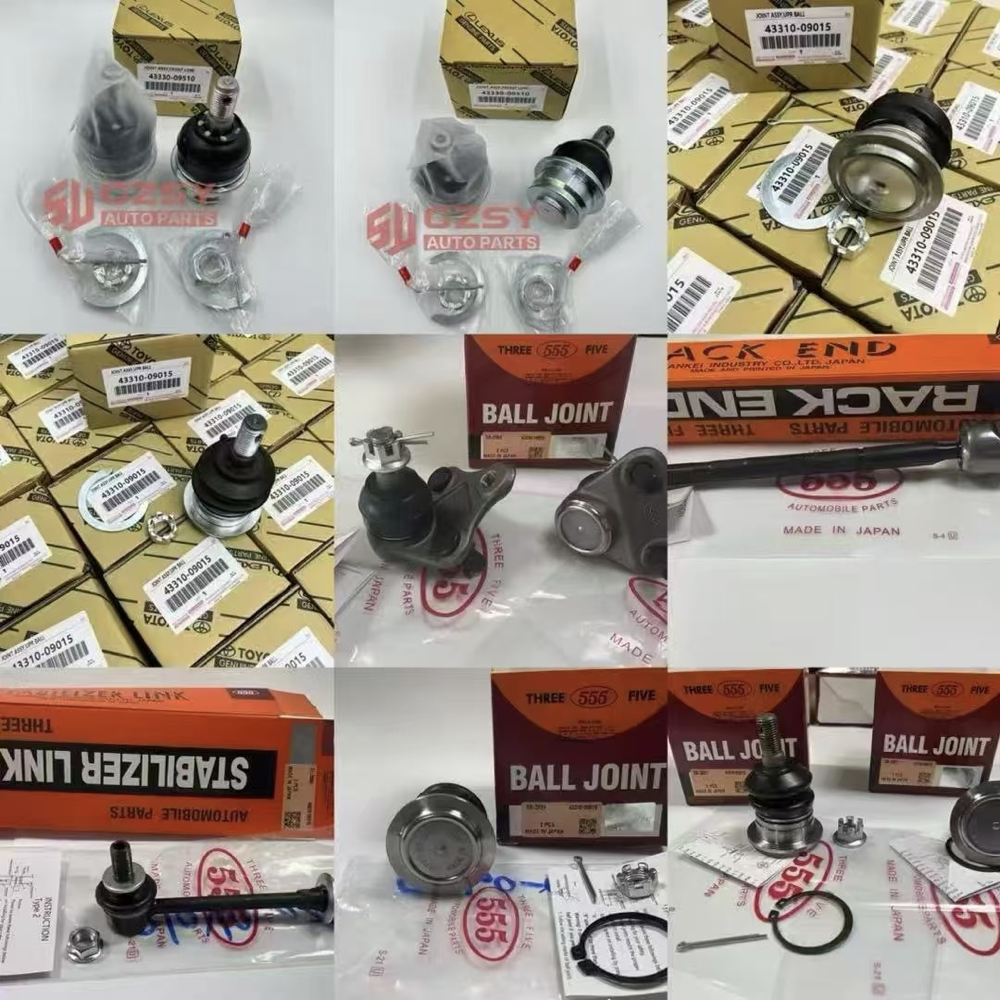
Manufacturing excellence in the automotive industry demands reliable suppliers who can deliver genuine, high-quality components that meet stringent international standards. China has emerged as a global manufacturing hub for automotive parts, with numerous factories specializing in Honda auto parts production. These facilities combine advanced manufacturing technologies with strict quality control protocols to ensure that every component meets Honda's exacting specifications. The selection of the right supplier can significantly impact vehicle performance, safety, and long-term reliability.
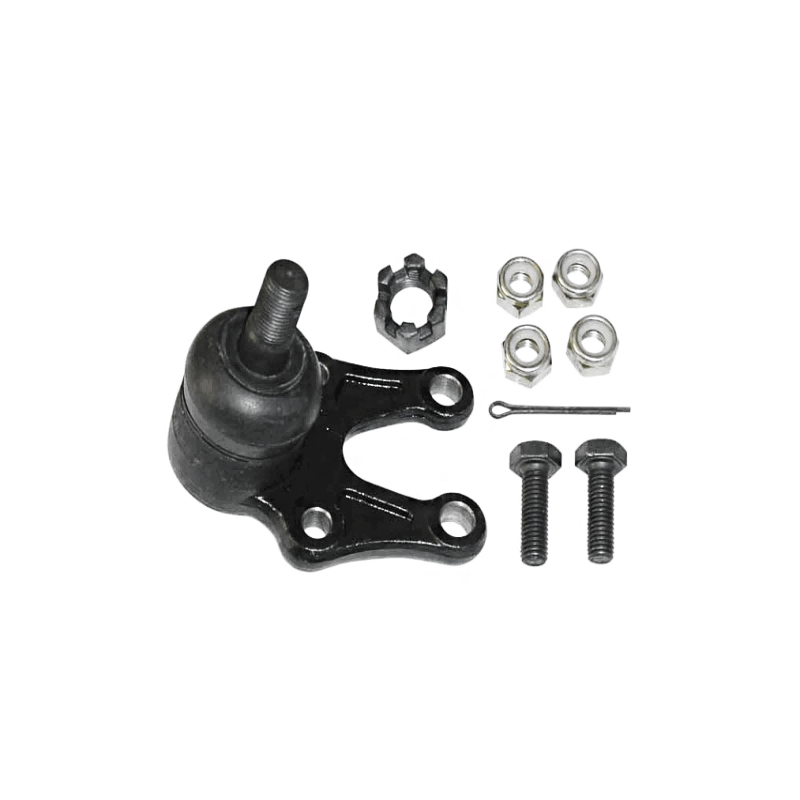
Understanding the Chinese Honda Parts Manufacturing Landscape
Major Production Centers and Industrial Clusters
China's Honda auto parts manufacturing industry is concentrated in several key regions, each offering unique advantages for automotive component production. The Guangdong Province stands out as the primary hub, housing numerous factories that specialize in engine components, electrical systems, and precision-machined parts. These manufacturing clusters benefit from established supply chains, skilled workforce availability, and proximity to major shipping ports that facilitate global distribution.
The Jiangsu and Zhejiang provinces also play crucial roles in Honda parts production, particularly for transmission components, suspension systems, and interior accessories. These regions have developed sophisticated manufacturing ecosystems that support both original equipment manufacturer requirements and aftermarket demands. The concentration of suppliers in these areas creates competitive advantages through shared expertise, reduced logistics costs, and accelerated innovation cycles.
Quality Standards and Certification Requirements
Chinese Honda auto parts manufacturers must adhere to rigorous quality standards that align with international automotive industry requirements. The ISO/TS 16949 certification serves as the foundation for automotive quality management systems, ensuring that manufacturing processes consistently produce components that meet customer specifications. Additional certifications such as ISO 14001 for environmental management and OHSAS 18001 for occupational health and safety demonstrate comprehensive operational excellence.
Quality control processes typically include incoming material inspection, in-process monitoring, and final product testing using advanced measurement equipment. Statistical process control methodologies help maintain consistent dimensional accuracy and material properties across production runs. Traceability systems enable rapid identification and resolution of any quality issues that may arise during manufacturing or after delivery to customers.
Key Product Categories and Manufacturing Capabilities
Engine Components and Performance Parts
Chinese factories specializing in Honda auto parts excel in producing critical engine components including pistons, connecting rods, cylinder heads, and timing system components. These manufacturers employ precision machining centers, automated assembly lines, and specialized heat treatment facilities to ensure dimensional accuracy and material integrity. Advanced metallurgical processes enable the production of components that withstand extreme operating conditions while maintaining optimal performance characteristics.
Performance enhancement parts such as intake manifolds, exhaust systems, and turbocharger components represent growing segments of Honda parts manufacturing in China. These components require sophisticated engineering capabilities and specialized manufacturing techniques to achieve the precise tolerances and surface finishes demanded by modern engine designs. Investment in research and development facilities enables continuous improvement in component design and manufacturing processes.
Electrical Systems and Electronic Components
The production of electrical systems for Honda vehicles encompasses a wide range of components including wiring harnesses, control modules, sensors, and actuators. Chinese manufacturers have invested heavily in clean room facilities and automated assembly equipment to meet the stringent requirements for electronic component production. Surface mount technology and advanced soldering processes ensure reliable electrical connections that perform consistently under automotive operating conditions.
Integration of smart manufacturing technologies enables real-time quality monitoring and process optimization for electronic component production. Automated optical inspection systems detect potential defects before components are integrated into larger assemblies. Environmental testing capabilities simulate extreme temperature, humidity, and vibration conditions to validate component reliability and longevity in automotive applications.
Supply Chain Management and Logistics Excellence
Inventory Management and Just-in-Time Delivery
Effective supply chain management is essential for Honda auto parts manufacturers to maintain competitive advantages while meeting customer delivery requirements. Advanced inventory management systems utilize demand forecasting algorithms and real-time production data to optimize stock levels and minimize carrying costs. Integration with customer planning systems enables synchronized production scheduling that reduces lead times and improves service levels.
Just-in-time delivery capabilities require sophisticated logistics coordination and flexible manufacturing systems. Warehouse management systems track component locations and automate picking processes to ensure accurate and timely shipments. Strategic positioning of distribution centers near major customers reduces transportation costs and delivery times while providing buffer inventory for unexpected demand fluctuations.
Quality Assurance Throughout the Supply Chain
Comprehensive quality assurance programs extend throughout the entire supply chain to ensure that Honda auto parts meet specified requirements at every stage of production and distribution. Supplier qualification processes evaluate potential partners based on technical capabilities, quality systems, and financial stability. Regular audits and performance monitoring ensure continued compliance with quality standards and customer expectations.
Collaborative quality improvement initiatives between manufacturers and suppliers focus on preventing defects rather than detecting them after production. Statistical analysis of quality data identifies trends and opportunities for process improvements. Corrective and preventive action systems ensure systematic resolution of quality issues and implementation of measures to prevent recurrence.
Technology Integration and Manufacturing Innovation
Advanced Manufacturing Technologies
Chinese Honda auto parts manufacturers are increasingly adopting Industry 4.0 technologies to enhance manufacturing efficiency and product quality. Computer numerical control machining centers equipped with multi-axis capabilities enable the production of complex geometries with exceptional precision. Robotic automation systems perform repetitive tasks with consistent accuracy while reducing labor costs and improving workplace safety.
Additive manufacturing technologies are being integrated into prototyping and small-batch production processes, enabling rapid development of new Honda auto parts designs. Three-dimensional printing capabilities allow for complex internal structures and customized components that would be difficult or impossible to produce using traditional manufacturing methods. Digital twin technologies simulate manufacturing processes to optimize parameters before physical production begins.
Quality Control and Testing Infrastructure
State-of-the-art testing facilities enable comprehensive validation of Honda auto parts performance under various operating conditions. Coordinate measuring machines provide precise dimensional verification with measurement uncertainties measured in micrometers. Material testing laboratories perform mechanical, chemical, and metallurgical analyses to ensure compliance with specifications and industry standards.
Environmental testing chambers simulate extreme temperature cycles, humidity variations, and corrosive atmospheres to validate component durability and reliability. Vibration testing equipment reproduces the dynamic loads experienced during vehicle operation to identify potential failure modes before parts reach the market. Non-destructive testing methods such as ultrasonic inspection and magnetic particle testing detect internal flaws without damaging components.
Selecting the Right Honda Parts Supplier in China
Evaluation Criteria and Due Diligence Process
Selecting an appropriate Honda auto parts supplier requires comprehensive evaluation of technical capabilities, quality systems, and business practices. Site visits provide opportunities to assess manufacturing facilities, equipment condition, and organizational capabilities firsthand. Review of quality certifications, customer references, and financial statements helps validate supplier credentials and stability.
Technical assessment should include evaluation of engineering capabilities, manufacturing processes, and quality control systems. Sample parts testing and process capability studies provide objective evidence of a supplier's ability to meet specifications consistently. Communication protocols and project management capabilities are equally important factors in successful supplier relationships.
Long-term Partnership Development
Successful Honda auto parts sourcing relationships require ongoing collaboration and continuous improvement initiatives. Regular performance reviews assess quality metrics, delivery performance, and cost competitiveness. Joint problem-solving activities address challenges and identify opportunities for process improvements and cost reductions.
Investment in supplier development programs helps build technical capabilities and align manufacturing processes with evolving requirements. Training programs, technical assistance, and equipment sharing initiatives strengthen supplier capabilities while improving product quality and reducing costs. Long-term agreements provide stability that enables suppliers to invest in advanced manufacturing technologies and process improvements.
FAQ
What certifications should I look for when selecting a Honda auto parts manufacturer in China
Key certifications include ISO/TS 16949 for automotive quality management systems, ISO 14001 for environmental management, and OHSAS 18001 for occupational health and safety. Additionally, look for Honda-specific supplier certifications and approvals from recognized testing laboratories. These certifications demonstrate commitment to quality and compliance with international standards.
How can I verify the quality of Honda auto parts from Chinese suppliers
Request detailed quality documentation including material certifications, dimensional inspection reports, and test results. Conduct on-site audits to evaluate manufacturing processes and quality control systems. Consider third-party inspection services for critical components and establish clear quality requirements in purchase agreements.
What are the typical lead times for Honda auto parts manufacturing in China
Lead times vary depending on part complexity and production volumes, typically ranging from 4-12 weeks for standard components. Custom or low-volume parts may require longer lead times for tooling and setup. Factors affecting lead times include material availability, production scheduling, and shipping methods.
How do Chinese Honda parts manufacturers handle intellectual property protection
Reputable manufacturers implement comprehensive intellectual property protection measures including confidentiality agreements, secure data handling procedures, and restricted access to proprietary information. Establish clear contractual provisions regarding intellectual property rights and consider working with suppliers who have demonstrated track records of protecting customer information and designs.
Table of Contents
- Understanding the Chinese Honda Parts Manufacturing Landscape
- Key Product Categories and Manufacturing Capabilities
- Supply Chain Management and Logistics Excellence
- Technology Integration and Manufacturing Innovation
- Selecting the Right Honda Parts Supplier in China
-
FAQ
- What certifications should I look for when selecting a Honda auto parts manufacturer in China
- How can I verify the quality of Honda auto parts from Chinese suppliers
- What are the typical lead times for Honda auto parts manufacturing in China
- How do Chinese Honda parts manufacturers handle intellectual property protection