 EN
EN

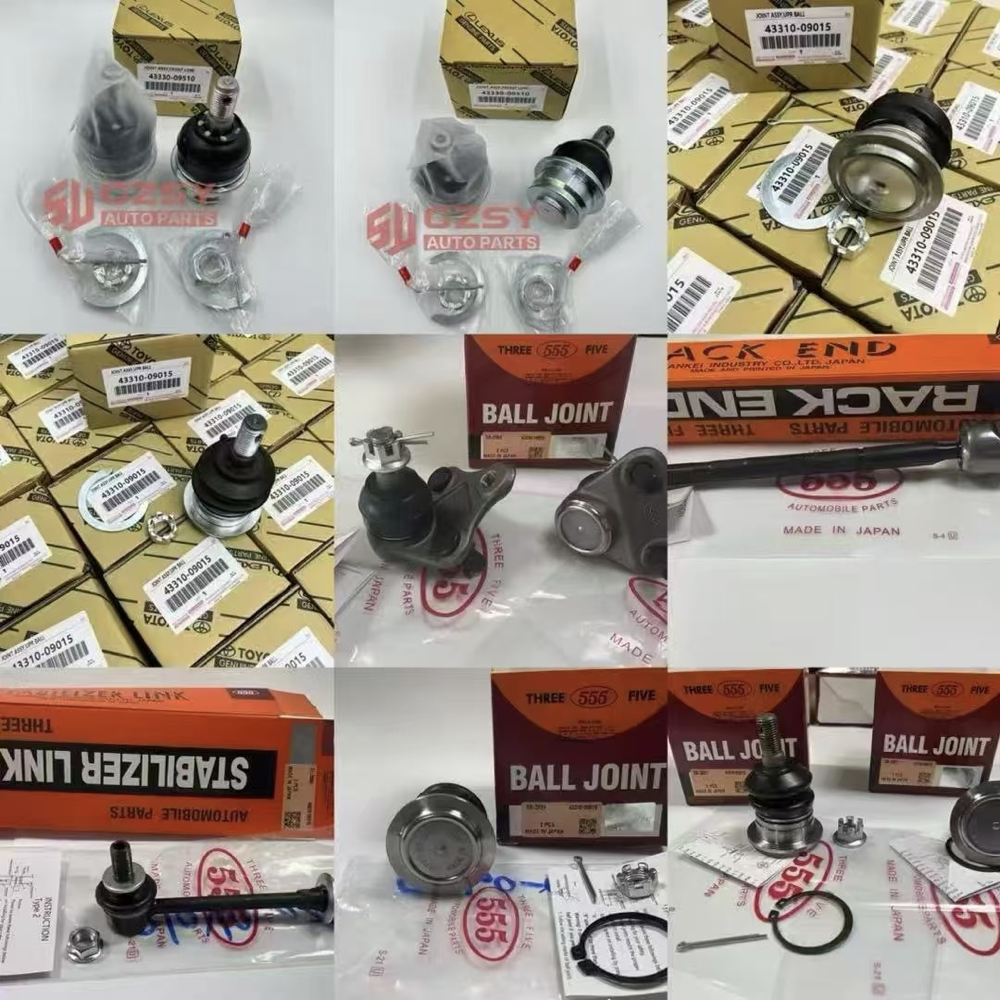
Sourcing Toyota auto parts wholesale in China requires a strategic approach that balances cost efficiency with quality assurance. The Chinese automotive aftermarket has evolved significantly, offering comprehensive access to both OEM-compatible and genuine Toyota components at competitive wholesale pricing. Understanding the procurement landscape, supplier verification processes, and regulatory requirements forms the foundation for successful Toyota auto parts wholesale operations in the Chinese market.
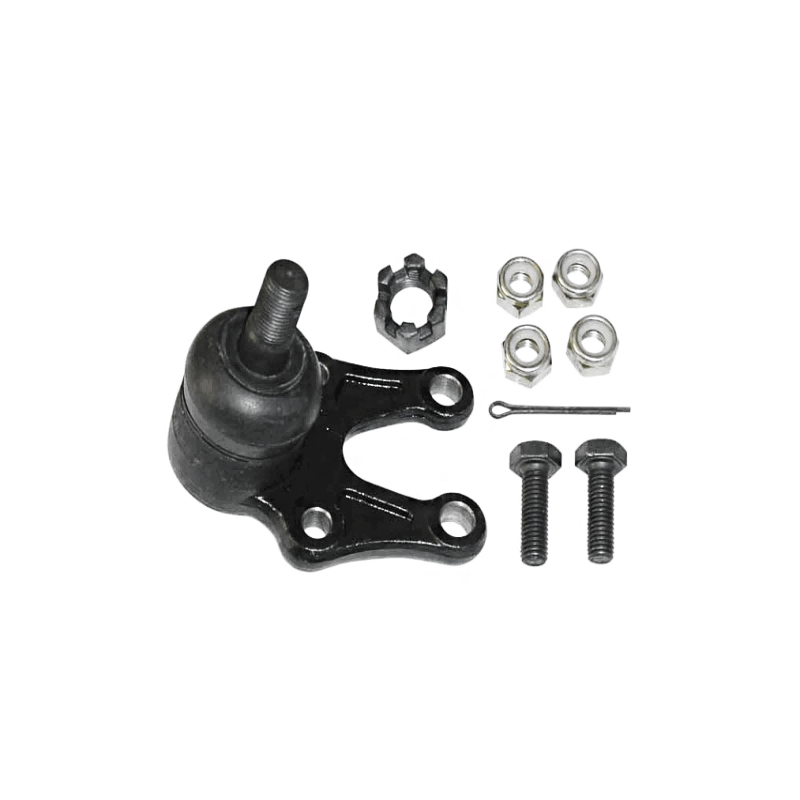
The complexity of Toyota auto parts wholesale sourcing extends beyond simple price comparison to encompass supply chain reliability, certification compliance, and long-term partnership development. Chinese suppliers have developed sophisticated manufacturing capabilities and distribution networks specifically designed to serve international wholesale buyers seeking Toyota components. This comprehensive guide outlines the essential steps, considerations, and best practices for establishing effective Toyota auto parts wholesale relationships with Chinese suppliers.
Understanding the Chinese Toyota Parts Market Structure
Manufacturing Ecosystem and Supplier Categories
The Chinese Toyota auto parts wholesale market operates through multiple supplier categories, each serving different wholesale requirements and quality standards. OEM suppliers manufacture components directly for Toyota's assembly plants, while Tier 1 suppliers provide parts to these OEM manufacturers. Understanding this hierarchy helps wholesale buyers identify appropriate suppliers based on their specific quality and certification requirements for Toyota auto parts wholesale operations.
Aftermarket manufacturers represent another significant category within the Toyota auto parts wholesale ecosystem. These suppliers specialize in producing compatible components that meet or exceed OEM specifications while offering more competitive pricing structures. Many aftermarket suppliers have invested heavily in quality control systems and certifications to serve international wholesale markets effectively.
Independent trading companies facilitate Toyota auto parts wholesale by aggregating products from multiple manufacturers and providing consolidated sourcing services. These intermediaries often possess extensive market knowledge and can help wholesale buyers navigate supplier selection, quality verification, and logistics coordination for Toyota components.
Regional Manufacturing Concentrations
Geographic concentration of Toyota auto parts wholesale suppliers varies significantly across China's manufacturing regions. The Yangtze River Delta, particularly around Shanghai and Suzhou, hosts numerous suppliers specializing in precision-engineered Toyota components such as engine parts, transmission components, and electronic systems. This region benefits from proximity to Toyota's manufacturing facilities and established automotive supply chains.
The Pearl River Delta region, centered around Guangzhou and Shenzhen, serves as a major hub for Toyota auto parts wholesale, particularly for interior components, lighting systems, and electrical accessories. The region's mature export infrastructure and international trade experience make it attractive for wholesale buyers seeking efficient logistics and communication capabilities.
Northern China, including Beijing and Tianjin areas, focuses more heavily on heavy-duty Toyota components such as chassis parts, suspension systems, and brake components. Understanding these regional specializations helps wholesale buyers target their sourcing efforts more effectively for specific Toyota auto parts wholesale requirements.
Supplier Identification and Verification Strategies
Digital Platform Sourcing Methods
Modern Toyota auto parts wholesale sourcing relies heavily on digital platforms that connect international buyers with Chinese suppliers. B2B marketplaces provide comprehensive supplier databases with detailed product catalogs, company profiles, and customer reviews. These platforms often include verification services that assess supplier credentials, manufacturing capabilities, and quality certifications relevant to Toyota auto parts wholesale operations.
Industry-specific platforms focus exclusively on automotive components, offering more targeted search capabilities for Toyota auto parts wholesale buyers. These specialized platforms typically provide enhanced filtering options based on part numbers, vehicle models, certification standards, and supplier capabilities. The concentrated focus on automotive applications often results in higher-quality supplier matches and more relevant product offerings.
Direct supplier websites and online catalogs provide detailed technical specifications and pricing information for Toyota auto parts wholesale inquiries. Many established Chinese suppliers maintain comprehensive English-language websites with product databases, certification documentation, and contact information for international wholesale accounts.
Physical Verification and Factory Auditing
On-site factory auditing represents a critical component of Toyota auto parts wholesale supplier verification. Physical inspections allow wholesale buyers to assess manufacturing capabilities, quality control systems, and production capacity firsthand. Effective factory audits evaluate equipment sophistication, workforce training, raw material sourcing, and testing procedures specific to Toyota component requirements.
Quality management system verification ensures that potential Toyota auto parts wholesale suppliers maintain appropriate certification standards. ISO 9001, TS 16949, and other automotive-specific certifications indicate systematic approaches to quality control and continuous improvement. Reviewing certification documentation and audit reports provides insight into supplier commitment to quality standards.
Production capacity assessment determines whether suppliers can meet Toyota auto parts wholesale volume requirements consistently. Evaluating production lines, equipment utilization rates, and order fulfillment capabilities helps wholesale buyers gauge supplier reliability for ongoing partnership arrangements.
Quality Assurance and Certification Requirements
OEM Compatibility Standards
Toyota auto parts wholesale sourcing demands strict adherence to OEM compatibility standards to ensure proper fit, function, and performance. Chinese suppliers must demonstrate compliance with Toyota's technical specifications through comprehensive testing and documentation. Material composition, dimensional tolerances, and performance characteristics must align precisely with original equipment requirements for successful wholesale distribution.
Testing protocols for Toyota auto parts wholesale typically include durability testing, environmental resistance evaluation, and functional performance verification. Suppliers should maintain testing facilities capable of conducting these assessments or provide access to certified third-party testing services. Documentation of testing results and compliance certificates forms an essential component of quality assurance for wholesale operations.
Traceability systems enable Toyota auto parts wholesale suppliers to track component origins, manufacturing processes, and quality control checkpoints. Effective traceability supports quality investigation processes and enables rapid response to potential quality issues that may affect wholesale distribution networks.
International Certification and Compliance
International certification requirements for Toyota auto parts wholesale extend beyond basic quality standards to encompass safety regulations, environmental compliance, and market-specific requirements. European CE marking, North American DOT compliance, and other regional certifications may be necessary depending on the intended wholesale distribution markets.
Environmental compliance standards increasingly influence Toyota auto parts wholesale sourcing decisions. Chinese suppliers must demonstrate compliance with RoHS restrictions, REACH regulations, and other environmental standards that affect international distribution. Documentation of material composition and environmental impact assessments supports wholesale buyers' compliance obligations.
Safety certification requirements vary by component type and intended application within Toyota auto parts wholesale operations. Critical safety components such as brake parts, steering components, and structural elements require more stringent certification processes and ongoing compliance monitoring throughout the wholesale relationship.
Logistics and Supply Chain Management
Shipping and Transportation Options
Toyota auto parts wholesale logistics require careful consideration of shipping methods, transit times, and cost structures. Ocean freight remains the most cost-effective option for high-volume wholesale shipments, though longer transit times require careful inventory planning. Container consolidation services can help smaller wholesale buyers achieve better shipping rates while maintaining reasonable delivery schedules for Toyota components.
Air freight provides faster delivery for urgent Toyota auto parts wholesale orders or high-value components where speed justifies additional transportation costs. Express air services can deliver critical components within days, supporting just-in-time inventory strategies and emergency replacement requirements for wholesale distribution networks.
Multimodal transportation solutions combine different shipping methods to optimize cost and delivery time for Toyota Auto Parts Wholesale operations. Rail transport through China-Europe freight corridors offers an intermediate option between ocean and air freight, providing faster delivery than ocean shipping at lower costs than air transport.
Inventory Management and Warehousing
Effective inventory management strategies for Toyota auto parts wholesale operations balance carrying costs with service level requirements. Demand forecasting based on historical sales data, seasonal patterns, and market trends helps optimize inventory levels for different Toyota component categories. Safety stock calculations must account for supply chain variability and lead time fluctuations from Chinese suppliers.
Warehousing considerations for Toyota auto parts wholesale include climate control requirements, security systems, and inventory tracking capabilities. Certain Toyota components may require specific storage conditions to maintain quality and prevent deterioration. Automated inventory management systems support accurate tracking and efficient order fulfillment for wholesale distribution operations.
Cross-docking facilities can streamline Toyota auto parts wholesale distribution by minimizing inventory holding times and reducing handling costs. Strategic location of distribution centers relative to end customers and transportation networks optimizes delivery efficiency and reduces total logistics costs for wholesale operations.
Building Long-term Supplier Relationships
Communication and Partnership Development
Successful Toyota auto parts wholesale relationships require establishing clear communication protocols and mutual understanding of expectations. Regular communication schedules, performance review meetings, and collaborative problem-solving approaches strengthen supplier partnerships over time. Cultural sensitivity and respect for Chinese business practices facilitate more effective working relationships with Toyota parts suppliers.
Technical collaboration opportunities can enhance Toyota auto parts wholesale partnerships by sharing market insights, quality improvement initiatives, and new product development projects. Suppliers who demonstrate innovation and continuous improvement capabilities often become preferred partners for expanding wholesale operations and new market development.
Performance monitoring systems track key metrics such as quality rates, delivery performance, and customer service responsiveness for Toyota auto parts wholesale suppliers. Regular performance reviews provide opportunities for feedback, recognition of achievements, and identification of improvement opportunities that benefit both parties in the wholesale relationship.
Risk Management and Contingency Planning
Risk assessment strategies for Toyota auto parts wholesale operations identify potential disruptions and develop appropriate mitigation measures. Supplier financial stability, geographic risk factors, and regulatory changes can all impact wholesale supply continuity. Diversification strategies involving multiple suppliers for critical components reduce dependency risk while maintaining competitive sourcing options.
Business continuity planning for Toyota auto parts wholesale includes emergency sourcing procedures, alternative supplier identification, and communication protocols for supply disruption events. Regular testing of contingency plans ensures effectiveness when actual disruptions occur, minimizing impact on wholesale customers and distribution networks.
Insurance and legal protections support Toyota auto parts wholesale relationships by clarifying responsibilities and providing financial protection against various risks. Product liability insurance, transportation coverage, and contractual protections help manage financial exposure while supporting confident business development with Chinese suppliers.
FAQ
What documentation is required when sourcing Toyota auto parts wholesale from China?
Essential documentation for Toyota auto parts wholesale sourcing includes supplier business licenses, quality certifications (ISO 9001, TS 16949), product compliance certificates, testing reports demonstrating OEM compatibility, insurance certificates, and detailed product specifications. Additionally, customs documentation such as commercial invoices, packing lists, and certificates of origin are required for international shipments. Maintaining complete documentation ensures smooth customs clearance and supports quality assurance for wholesale operations.
How can I verify the authenticity and quality of Toyota parts from Chinese wholesale suppliers?
Verification methods for Toyota auto parts wholesale quality include requesting sample parts for physical inspection and testing, conducting factory audits to assess manufacturing capabilities and quality control systems, reviewing supplier certifications and customer references, and implementing incoming inspection procedures for received shipments. Third-party quality inspection services can provide independent verification of component specifications and manufacturing standards before large wholesale orders are placed.
What are typical minimum order quantities for Toyota auto parts wholesale in China?
Toyota auto parts wholesale minimum order quantities vary significantly based on component type, supplier capabilities, and manufacturing processes. Common ranges include 50-100 pieces for complex engine components, 100-500 pieces for electrical parts and sensors, and 200-1000 pieces for body panels and trim components. Some suppliers offer lower minimums for initial orders or sample purchases, while others require larger quantities to achieve wholesale pricing levels. Negotiating appropriate minimums based on demand forecasts and inventory capacity is essential for sustainable wholesale operations.
How long does it typically take to establish a reliable Toyota auto parts wholesale supply chain from China?
Establishing a reliable Toyota auto parts wholesale supply chain typically requires 3-6 months for initial supplier identification, verification, and qualification processes. This timeline includes 2-4 weeks for supplier research and initial contact, 4-6 weeks for sample evaluation and testing, 2-3 weeks for factory audits and certification review, and 4-8 weeks for first production orders and logistics setup. Building long-term relationships with proven suppliers may take 6-12 months as trust develops and operational processes are refined through multiple successful transactions.
Table of Contents
- Understanding the Chinese Toyota Parts Market Structure
- Supplier Identification and Verification Strategies
- Quality Assurance and Certification Requirements
- Logistics and Supply Chain Management
- Building Long-term Supplier Relationships
-
FAQ
- What documentation is required when sourcing Toyota auto parts wholesale from China?
- How can I verify the authenticity and quality of Toyota parts from Chinese wholesale suppliers?
- What are typical minimum order quantities for Toyota auto parts wholesale in China?
- How long does it typically take to establish a reliable Toyota auto parts wholesale supply chain from China?