 EN
EN

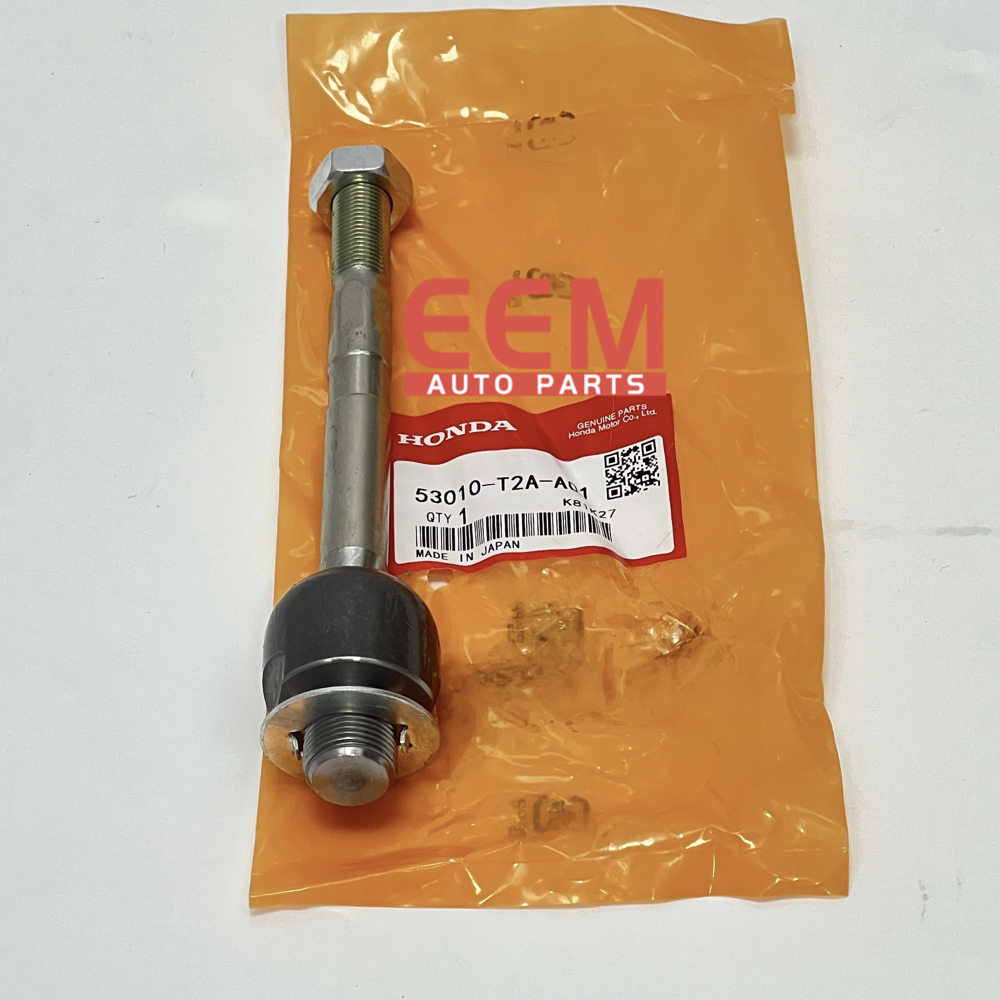
Sourcing auto parts made in China has become an essential strategy for automotive businesses worldwide seeking cost-effective, high-quality components. The Chinese automotive parts industry has evolved dramatically over the past two decades, transforming from a low-cost manufacturing base to a sophisticated ecosystem producing everything from basic consumables to advanced electronic systems. Understanding the intricacies of this market is crucial for importers, distributors, and automotive service providers looking to optimize their supply chain while maintaining quality standards and competitive pricing.
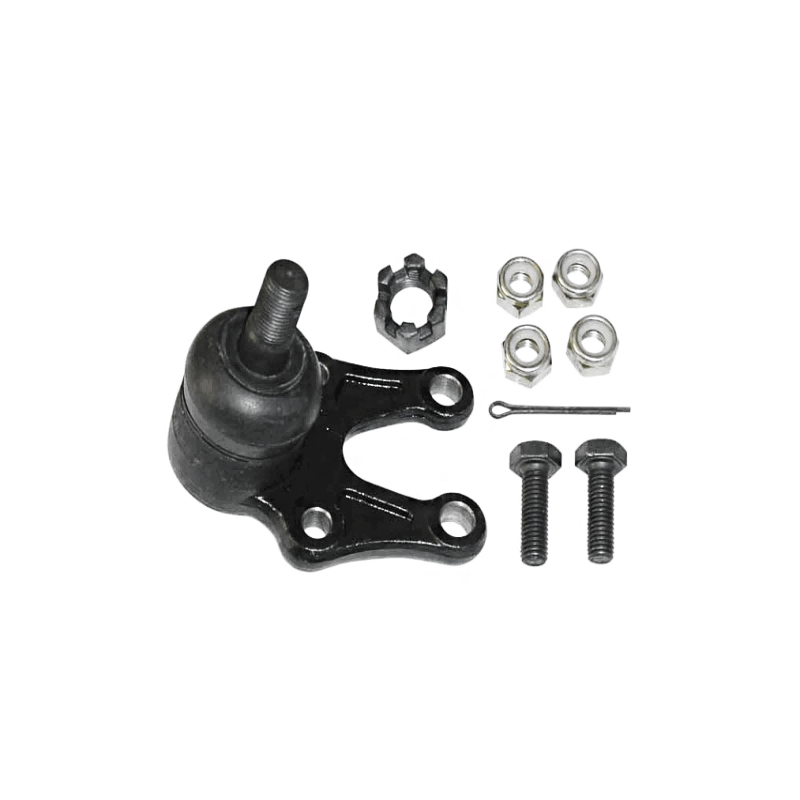
The global automotive aftermarket relies heavily on Chinese manufacturing capabilities, with millions of components exported annually to support vehicle maintenance and repair operations. From suspension components and brake systems to electrical parts and engine accessories, auto parts made in China serve diverse market segments including passenger vehicles, commercial trucks, motorcycles, and specialty automotive applications. The key to successful sourcing lies in understanding manufacturer capabilities, quality control processes, regulatory compliance requirements, and establishing reliable partnerships that ensure consistent supply chain performance.
Understanding China's Automotive Parts Manufacturing Landscape
Regional Manufacturing Clusters
China's automotive parts manufacturing industry is concentrated in several key regional clusters, each specializing in different component categories and serving specific market segments. The Yangtze River Delta region, encompassing Shanghai, Jiangsu, and Zhejiang provinces, hosts numerous multinational automotive suppliers alongside domestic manufacturers producing high-precision components for premium vehicle applications. This region excels in producing electronic systems, advanced materials, and precision-machined parts that meet stringent international quality standards.
The Pearl River Delta in Guangdong province represents another major manufacturing hub, particularly strong in aftermarket auto parts made in China for export markets. This region benefits from established supply chains, efficient logistics infrastructure, and a concentration of trading companies that facilitate international business relationships. Manufacturers in this area typically focus on cost-competitive components while gradually upgrading their capabilities to serve OEM markets and premium aftermarket segments.
Northern China, including provinces like Hebei and Shandong, has developed significant capabilities in heavy-duty truck components, commercial vehicle parts, and industrial automotive applications. These regions leverage proximity to steel production facilities and established heavy industry infrastructure to produce robust components for demanding applications. Understanding these regional specializations helps buyers identify the most suitable suppliers for specific auto parts made in China based on their technical requirements and quality expectations.
Technology and Innovation Capabilities
Chinese automotive parts manufacturers have invested heavily in advanced manufacturing technologies, research and development capabilities, and quality management systems to compete in global markets. Many facilities now employ sophisticated CAD/CAM systems, automated production lines, and precision testing equipment that rivals established automotive suppliers in developed countries. This technological advancement has enabled the production of complex components including electronic control units, advanced suspension systems, and hybrid vehicle components that meet international automotive standards.
The integration of Industry 4.0 concepts, including IoT sensors, predictive maintenance systems, and data-driven quality control, has enhanced the reliability and consistency of auto parts made in China. Leading manufacturers have established dedicated R&D centers, often in collaboration with international partners or automotive OEMs, to develop innovative solutions that address evolving vehicle technologies and market demands. These investments have positioned Chinese suppliers as capable partners for both traditional automotive applications and emerging technologies like electric vehicles and autonomous driving systems.
Quality certification programs such as ISO 9001, TS 16949, and various automotive-specific standards have become standard practice among serious manufacturers. These certifications ensure that auto parts made in China meet international quality requirements and provide buyers with confidence in supplier capabilities. Many facilities also maintain clean room environments for sensitive electronic components and implement comprehensive traceability systems that support warranty claims and regulatory compliance requirements.
Supplier Identification and Evaluation Process
Research and Initial Screening Methods
Effective supplier identification begins with comprehensive market research utilizing multiple channels and resources to identify potential manufacturing partners. Online B2B platforms such as Alibaba, Made-in-China, and Global Sources provide extensive databases of suppliers offering auto parts made in China, complete with company profiles, product catalogs, and customer reviews. These platforms enable initial screening based on factors including company size, production capabilities, certifications, and export experience, helping buyers create shortlists of qualified candidates for further evaluation.
Industry trade shows and exhibitions offer valuable opportunities for direct interaction with manufacturers, allowing buyers to assess product quality, manufacturing capabilities, and company professionalism firsthand. Major events such as the China International Auto Parts Expo, Canton Fair automotive sections, and regional automotive trade shows provide platforms for establishing business relationships and evaluating multiple suppliers efficiently. These events also enable buyers to stay current with market trends, new product developments, and emerging technologies in the automotive parts sector.
Professional sourcing agents and trading companies with established networks in China can provide valuable assistance in supplier identification, particularly for buyers new to the market or seeking specialized components. These intermediaries often maintain relationships with multiple manufacturers producing auto parts made in China and can facilitate introductions, translate technical requirements, and coordinate sample evaluations. However, buyers should carefully evaluate the value proposition and ensure that agent relationships enhance rather than complicate their sourcing objectives.
Due Diligence and Qualification Procedures
Comprehensive supplier qualification requires systematic evaluation of manufacturing capabilities, quality systems, financial stability, and compliance with relevant standards and regulations. Factory audits, either conducted directly or through third-party inspection services, provide critical insights into production processes, quality control procedures, and overall operational competency. These assessments should evaluate equipment condition, employee training programs, documentation systems, and adherence to safety and environmental standards that impact the reliability of auto parts made in China.
Financial due diligence involves reviewing company registration documents, tax records, bank references, and insurance coverage to assess business stability and creditworthiness. Buyers should verify business licenses, export permits, and relevant certifications to ensure legal compliance and operational legitimacy. Reference checks with existing customers, particularly those in similar market segments, provide valuable insights into supplier performance, delivery reliability, and responsiveness to quality issues or technical support requirements.
Technical capability assessment should include evaluation of engineering support, tooling capabilities, material sourcing practices, and testing facilities. Suppliers producing auto parts made in China for international markets should demonstrate competency in technical documentation, dimensional control, material specifications, and performance testing according to applicable automotive standards. This evaluation helps ensure that selected suppliers can meet specific technical requirements and support ongoing product development or modification needs.
Quality Control and Compliance Framework
International Standards and Certifications
Quality assurance for auto parts made in China requires adherence to international automotive standards that ensure component safety, reliability, and performance across diverse operating conditions. The ISO/TS 16949 standard, now superseded by IATF 16949, establishes comprehensive quality management system requirements specifically for automotive suppliers, covering everything from design controls and supplier management to statistical process control and continuous improvement methodologies. Manufacturers seeking to supply global automotive markets must implement and maintain these systems to demonstrate their commitment to quality excellence.
Region-specific regulations such as European ECE standards, US DOT requirements, and Japanese JIS specifications establish performance criteria and testing protocols for various automotive component categories. Suppliers producing auto parts made in China for export must understand and comply with destination market requirements, including material composition restrictions, performance thresholds, and marking or labeling requirements. This compliance ensures market access and protects both suppliers and buyers from regulatory violations or liability issues.
Environmental and safety regulations, including RoHS compliance for electronic components and REACH regulations for chemical substances, add additional complexity to quality management for auto parts made in China. Manufacturers must maintain comprehensive material documentation, conduct appropriate testing, and implement supplier controls to ensure compliance throughout their supply chains. These requirements have driven many Chinese suppliers to upgrade their quality systems and establish more sophisticated supplier management programs.
Testing and Inspection Protocols
Comprehensive testing protocols ensure that auto parts made in China meet specified performance requirements and maintain consistency across production batches. Incoming material inspection verifies that raw materials and components conform to specifications before entering production processes, preventing defects and ensuring final product quality. This includes dimensional verification, material property testing, and visual inspection according to established acceptance criteria and sampling procedures.
In-process quality control involves monitoring critical parameters during manufacturing operations, including machining tolerances, welding quality, coating thickness, and assembly torque specifications. Statistical process control techniques help identify trends and variations that could impact product quality, enabling proactive adjustments before defects occur. Advanced manufacturers utilize automated inspection systems and data collection methods to enhance consistency and reduce human error in quality monitoring activities.
Final inspection and testing procedures verify that completed auto parts made in China meet all specified requirements before shipment to customers. This includes functional testing, dimensional verification, appearance inspection, and packaging quality checks according to established protocols. Many suppliers also implement random sampling programs for additional verification and maintain detailed records to support traceability requirements and customer quality investigations.
Logistics and Supply Chain Management
Shipping and Transportation Options
Effective logistics management is essential for successful sourcing of auto parts made in China, requiring careful consideration of transportation modes, shipping schedules, and cost optimization strategies. Ocean freight remains the most cost-effective option for large volume shipments, with regular container services connecting major Chinese ports to destinations worldwide. Full container loads (FCL) provide the best unit costs for substantial orders, while less than container load (LCL) services enable smaller shipments with proportionally higher freight costs but lower minimum order requirements.
Air freight offers faster transit times for urgent shipments or high-value components where speed justifies the premium cost structure. This mode is particularly suitable for emergency orders, new product launches, or components with short shelf life or seasonal demand patterns. Express courier services provide the fastest delivery for small packages and samples, though costs become prohibitive for larger shipments of auto parts made in China destined for commercial distribution.
Multimodal transportation combining ocean freight with rail or truck transport can optimize cost and transit time combinations, particularly for inland destinations. The Belt and Road Initiative has enhanced rail connections between China and Europe, providing intermediate transit times and costs between ocean and air freight options. Understanding these alternatives enables buyers to select appropriate transportation methods based on urgency, cost sensitivity, and specific delivery requirements.
Inventory Management and Demand Planning
Effective inventory management balances carrying costs against service level requirements while accounting for the longer lead times associated with sourcing auto parts made in China. Safety stock calculations must consider demand variability, supplier lead time uncertainty, and the cost implications of stockouts versus excess inventory. Advanced demand forecasting techniques incorporating seasonal patterns, market trends, and customer behavior help optimize inventory levels and reduce working capital requirements.
Vendor-managed inventory (VMI) programs can shift inventory responsibility to suppliers while maintaining service levels and reducing administrative burden. These arrangements work particularly well for high-volume, predictable demand items where suppliers can optimize production and shipping schedules based on actual consumption patterns. However, buyers must carefully evaluate contract terms and performance metrics to ensure that VMI programs deliver expected benefits without compromising supply security.
Collaborative planning approaches involving suppliers, logistics providers, and internal stakeholders help optimize the entire supply chain for auto parts made in China. These efforts may include synchronized production schedules, consolidated shipping arrangements, and shared demand forecasts that enable better resource utilization and cost optimization. Technology platforms supporting supply chain visibility and communication enhance coordination effectiveness and reduce the risk of supply disruptions or inefficiencies.
Cost Analysis and Pricing Strategies
Total Cost of Ownership Evaluation
Comprehensive cost analysis for auto parts made in China extends beyond unit purchase prices to include all expenses associated with procurement, transportation, handling, and ongoing supplier management activities. Freight costs vary significantly based on shipping mode, package characteristics, fuel prices, and seasonal demand patterns, requiring careful evaluation of different transportation options and their impact on total landed costs. Insurance, customs duties, and brokerage fees add additional cost components that must be factored into pricing decisions and profitability calculations.
Quality-related costs include inspection expenses, testing fees, potential warranty claims, and the impact of defects on customer satisfaction and business reputation. Suppliers offering lower unit prices may generate higher total costs if quality issues result in increased inspection requirements, higher return rates, or customer complaints. Conversely, premium suppliers may justify higher unit costs through superior quality, reduced handling requirements, and lower overall risk exposure.
Working capital implications include payment terms, inventory carrying costs, and cash flow timing differences that affect the true cost of sourcing auto parts made in China. Extended payment terms offered by some suppliers may offset higher unit prices, while faster-paying arrangements might justify price concessions. Currency exchange rate fluctuations add another dimension to cost analysis, particularly for long-term contracts or significant purchase commitments that expose buyers to foreign exchange risk.
Negotiation Strategies and Contract Terms
Effective negotiation for auto parts made in China requires understanding supplier cost structures, market dynamics, and cultural considerations that influence business relationship development. Volume commitments often provide the strongest leverage for price negotiations, as suppliers can optimize production schedules and reduce unit costs through economies of scale. However, buyers must balance volume commitments against demand uncertainty and the risk of excess inventory or obsolescence.
Long-term partnership approaches can yield better pricing and service levels compared to transactional relationships, as suppliers invest in dedicated capacity, tooling, and process improvements when assured of ongoing business. These relationships often include collaborative cost reduction programs, joint product development initiatives, and shared quality improvement efforts that benefit both parties over time. Contract terms should reflect this partnership approach while maintaining appropriate performance standards and protection mechanisms.
Payment terms negotiations should consider both parties' cash flow requirements and risk tolerance while ensuring competitive total cost structures for auto parts made in China. Letters of credit provide security for suppliers while protecting buyers through documentary requirements and bank guarantees. Alternative arrangements such as consignment programs or progress payments may be appropriate for specific situations, though buyers should carefully evaluate the risk implications and total cost impact of different payment structures.
Risk Management and Mitigation Strategies
Supply Chain Risk Assessment
Comprehensive risk assessment for auto parts made in China must evaluate multiple categories of potential disruptions including supplier-specific risks, geographic concentrations, political factors, and broader economic conditions that could impact supply continuity. Single-source dependencies create vulnerability to supplier-specific issues such as financial problems, quality failures, natural disasters, or operational disruptions that could halt production and affect customer deliveries. Geographic concentration risks include regional events such as severe weather, infrastructure failures, or regulatory changes that could simultaneously impact multiple suppliers in the same area.
Political and regulatory risks encompass trade policy changes, tariff adjustments, export restrictions, and diplomatic tensions that could disrupt normal business operations or significantly impact costs for auto parts made in China. These factors have become increasingly important considerations as international trade relationships evolve and governments implement policies affecting global supply chains. Currency volatility adds another dimension to risk assessment, particularly for contracts denominated in foreign currencies or involving significant time delays between order placement and payment.
Quality risks include the potential for defective products, regulatory non-compliance, or performance failures that could result in customer complaints, warranty claims, product recalls, or liability issues. These risks are particularly significant for safety-critical components where failures could result in accidents, injuries, or regulatory violations. Intellectual property risks may also arise when working with suppliers who handle proprietary designs, specifications, or manufacturing processes that require protection from unauthorized disclosure or use.
Contingency Planning and Alternative Sourcing
Effective contingency planning establishes alternative sourcing options and response procedures that can be implemented quickly when primary suppliers cannot meet delivery or quality requirements. Dual sourcing strategies maintain qualified backup suppliers for critical auto parts made in China, though this approach requires ongoing supplier management and may increase costs compared to single-source arrangements. The benefits include reduced supply risk, competitive pricing pressure, and enhanced negotiating position with primary suppliers.
Geographic diversification spreads supply risk across different regions and reduces exposure to location-specific disruptions affecting auto parts made in China. This may include qualifying suppliers in other Asian countries, nearshore options, or domestic alternatives that can provide backup capacity when needed. However, buyers must evaluate the cost and complexity implications of maintaining multiple supply sources while ensuring that all alternatives meet required quality and performance standards.
Emergency response procedures should define communication protocols, decision-making authority, and action steps for various supply disruption scenarios. These procedures might include expedited air freight arrangements, temporary sourcing from alternative suppliers, customer notification protocols, and coordination with logistics providers to minimize delivery delays. Regular testing and updating of contingency plans ensures effectiveness when actual disruptions occur and helps identify potential improvements or gaps in preparedness.
FAQ
What are the typical lead times for auto parts made in China
Lead times for auto parts made in China typically range from 15 to 45 days depending on product complexity, customization requirements, and supplier production schedules. Standard aftermarket components with existing tooling often require 2-3 weeks, while custom or OEM parts may need 4-6 weeks or longer. Factors affecting lead times include material availability, production capacity, quality inspection requirements, and shipping arrangements. Rush orders may be accommodated with expedited processing and air freight, though premium costs apply for faster delivery.
How can I verify the quality and authenticity of Chinese auto parts suppliers
Supplier verification requires multiple validation steps including business license verification, factory audits, quality system assessments, and reference checks with existing customers. Third-party inspection services can conduct facility assessments and verify certifications such as ISO 9001 or TS 16949. Sample testing through independent laboratories confirms product quality and compliance with specifications. Online research through business databases, trade platforms, and industry networks provides additional verification of supplier credibility and track record for auto parts made in China.
What are the main challenges when sourcing auto parts from China
Common challenges include language barriers, cultural differences in business practices, quality control concerns, intellectual property protection, longer lead times, and logistics complexity. Currency fluctuations and trade policy changes can impact costs and delivery schedules. Time zone differences complicate communication and coordination activities. Regulatory compliance requirements for different markets add complexity to product specifications and documentation. Working with experienced sourcing professionals or local representatives can help navigate these challenges effectively.
Are there minimum order quantities for auto parts made in China
Most manufacturers have minimum order quantity (MOQ) requirements that vary based on product type, tooling requirements, and production setup costs. Standard aftermarket parts typically have lower MOQs ranging from 50 to 500 pieces, while custom or specialized components may require 1000 pieces or more. Suppliers often offer flexibility for initial orders or sample quantities, with lower MOQs for subsequent orders once business relationships are established. Combining multiple part numbers in single orders can help meet minimum requirements while optimizing freight costs.