 EN
EN

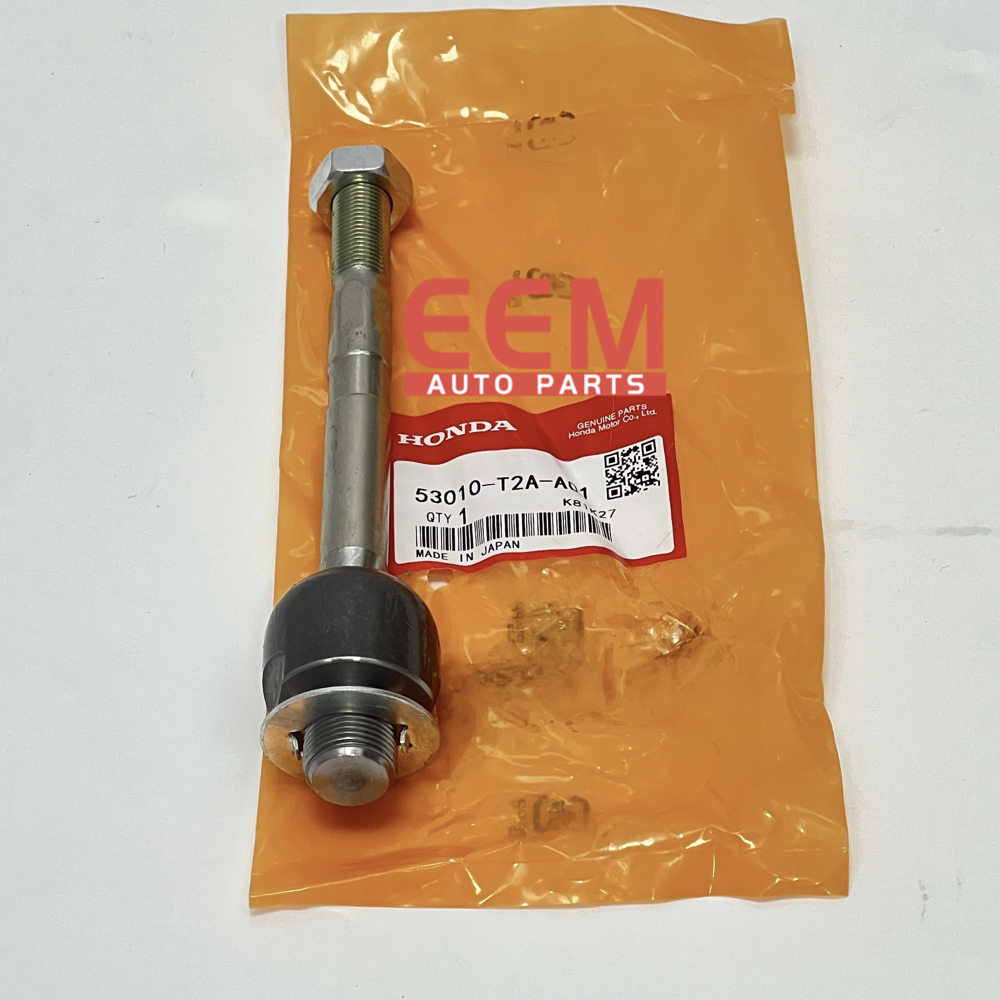
Sourcing quality automotive components from China has become a strategic imperative for businesses worldwide, particularly when seeking cost-effective solutions for Toyota vehicles. The Chinese automotive parts manufacturing sector offers tremendous opportunities for companies looking to establish reliable supply chains while maintaining competitive pricing structures. Understanding the nuances of Toyota auto parts wholesale in China requires careful consideration of supplier credentials, quality standards, and market dynamics that define this rapidly evolving industry.
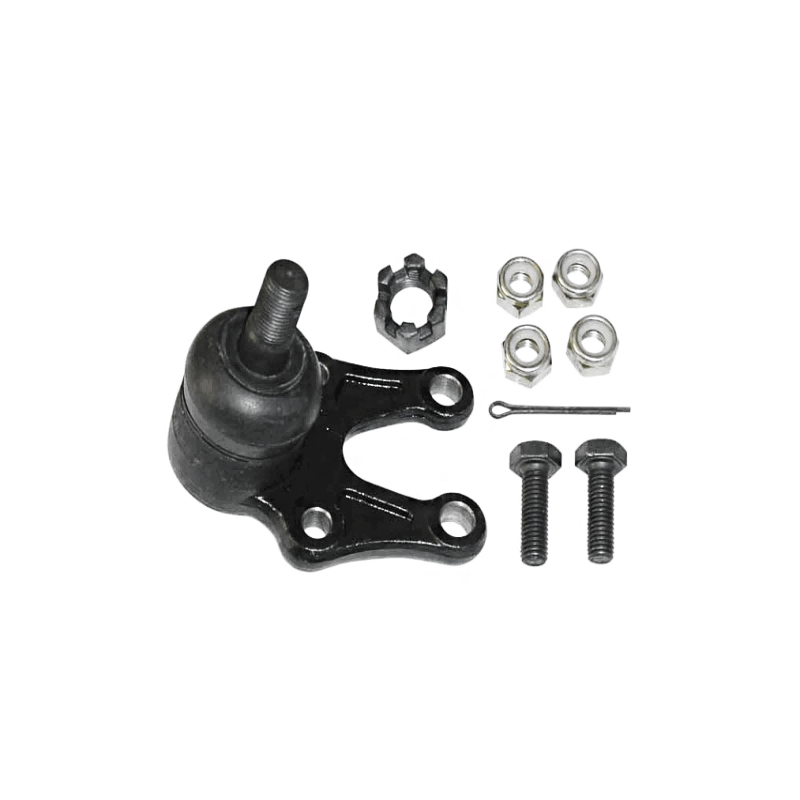
The complexity of automotive supply chains demands thorough research and strategic planning when identifying potential partners. Chinese manufacturers have invested heavily in advanced production technologies and quality management systems to meet international automotive standards. This transformation has positioned China as a dominant force in global automotive parts manufacturing, offering everything from engine components to electrical systems specifically designed for Toyota vehicles.
Understanding the Chinese Automotive Parts Market
Market Size and Growth Potential
China's automotive parts industry represents one of the world's largest manufacturing ecosystems, with annual production values exceeding hundreds of billions of dollars. The market encompasses thousands of manufacturers ranging from large-scale industrial complexes to specialized component producers. This diverse landscape creates opportunities for businesses seeking Toyota auto parts wholesale in China across various price points and quality tiers.
The growth trajectory of Chinese automotive manufacturing has been supported by significant government investments in infrastructure and technology development. Many manufacturers have established dedicated production lines for Japanese automotive brands, including Toyota, leveraging decades of experience in precision manufacturing and quality control processes.
Regional Manufacturing Hubs
Several key regions in China have emerged as specialized automotive manufacturing centers, each offering unique advantages for parts sourcing. The Yangtze River Delta region, including Shanghai and surrounding provinces, hosts numerous tier-one suppliers with established relationships with major automotive manufacturers. These facilities often maintain stringent quality standards and possess advanced testing capabilities.
The Pearl River Delta region, centered around Guangzhou and Shenzhen, represents another crucial manufacturing hub with strong logistics infrastructure and established export capabilities. Many suppliers in this region have developed expertise in aftermarket parts production, offering competitive alternatives to original equipment manufacturer components.
Evaluating Supplier Credentials and Capabilities
Quality Certification Requirements
Identifying reliable suppliers requires careful examination of quality certifications and manufacturing standards. International automotive quality standards such as ISO/TS 16949 and QS-9000 serve as important benchmarks for evaluating potential partners. Suppliers specializing in Toyota auto parts wholesale in China should demonstrate compliance with these rigorous quality management systems.
Additionally, many reputable manufacturers maintain certifications from major automotive manufacturers, including direct supplier approval from Toyota Motor Corporation. These endorsements provide valuable assurance regarding manufacturing capabilities and quality consistency. Verification of certification authenticity through official channels remains essential during the supplier evaluation process.
Production Capacity and Technology Assessment
Evaluating production capabilities involves examining manufacturing equipment, automation levels, and overall facility capacity. Modern automotive parts manufacturers typically utilize computer-controlled machining centers, automated assembly lines, and sophisticated quality testing equipment. These technological investments directly impact product consistency and manufacturing efficiency.
Understanding supplier capacity constraints and production lead times becomes crucial for maintaining reliable supply chains. Established manufacturers often maintain detailed production scheduling systems and can provide accurate delivery timelines for various order quantities. This operational transparency indicates professional management and reliable business practices.
Due Diligence and Supplier Verification
On-Site Facility Inspections
Physical facility visits provide invaluable insights into manufacturing capabilities and quality control processes. Professional facility inspections should encompass production areas, quality testing laboratories, and warehouse operations. Observing actual manufacturing processes allows for direct assessment of quality standards and operational efficiency.
During facility visits, attention should focus on cleanliness standards, equipment maintenance, and employee training programs. Well-managed facilities typically demonstrate organized workflows, proper material handling procedures, and comprehensive documentation systems. These operational indicators often correlate with overall business reliability and product quality consistency.
Financial Stability and Business History
Assessing supplier financial stability helps mitigate risks associated with business continuity and long-term partnerships. Financial evaluation should include examination of business registration documents, tax compliance records, and banking relationships. Established suppliers typically maintain transparent financial reporting and demonstrate consistent business growth patterns.
Investigating business history and customer references provides additional context regarding supplier reliability and performance track records. Long-standing relationships with international customers often indicate proven capabilities in export operations and customer service management. These historical perspectives help inform decision-making processes regarding potential partnerships.
Quality Control and Testing Procedures
Incoming Material Inspection
Robust quality control systems begin with comprehensive incoming material inspection procedures. Reliable suppliers implement systematic testing protocols for raw materials and purchased components before production begins. These procedures typically include dimensional verification, material composition analysis, and performance testing according to relevant specifications.
Advanced suppliers often maintain dedicated quality laboratories equipped with coordinate measuring machines, material testing equipment, and environmental testing chambers. These facilities enable comprehensive quality verification throughout the manufacturing process, ensuring consistent product quality and compliance with automotive industry standards.
In-Process and Final Inspection Standards
Manufacturing quality control extends beyond incoming inspection to encompass in-process monitoring and final product verification. Statistical process control methods help identify potential quality issues before they impact finished products. Regular calibration of measuring equipment and adherence to documented procedures ensure measurement accuracy and consistency.
Final inspection procedures should include comprehensive functional testing, dimensional verification, and packaging quality checks. Many suppliers utilize automated testing equipment to ensure consistent evaluation criteria and reduce human error potential. Documentation of test results provides traceability and quality assurance for customer requirements.
Logistics and Supply Chain Management
Shipping and Transportation Options
Effective logistics management significantly impacts overall sourcing success when dealing with Toyota auto parts wholesale in China. Multiple transportation options exist, including ocean freight, air cargo, and express courier services, each offering different cost and delivery time characteristics. Ocean freight typically provides the most economical solution for large volume shipments, while air transportation offers faster delivery for urgent requirements.
Many experienced suppliers maintain relationships with established freight forwarders and can provide comprehensive logistics support including customs documentation, insurance coverage, and delivery tracking services. These value-added services simplify the importation process and reduce administrative burdens for international customers.
Inventory Management and Order Processing
Efficient inventory management systems enable suppliers to maintain adequate stock levels while minimizing carrying costs. Advanced suppliers typically utilize enterprise resource planning systems to coordinate production scheduling, inventory tracking, and order processing activities. These integrated systems provide real-time visibility into product availability and delivery capabilities.
Streamlined order processing procedures contribute to overall supply chain efficiency and customer satisfaction. Electronic data interchange capabilities and online ordering platforms facilitate communication and reduce order processing times. Clear documentation standards and order confirmation procedures help prevent misunderstandings and ensure accurate order fulfillment.
Building Long-Term Partnerships
Communication and Relationship Management
Successful supplier relationships require ongoing communication and collaborative problem-solving approaches. Language barriers and cultural differences can present challenges, but many Chinese suppliers maintain English-speaking technical and sales staff to facilitate international business relationships. Regular communication schedules and clear escalation procedures help address issues promptly and maintain relationship stability.
Investing time in relationship building often yields long-term benefits including priority treatment during capacity constraints, collaborative product development opportunities, and preferential pricing arrangements. Cultural sensitivity and respect for business practices contribute to successful long-term partnerships with Chinese suppliers.
Continuous Improvement and Innovation
Leading suppliers embrace continuous improvement philosophies and actively seek opportunities to enhance product quality and manufacturing efficiency. Collaborative improvement initiatives can result in cost reductions, quality enhancements, and new product development opportunities. These partnerships often extend beyond simple buyer-supplier relationships to strategic alliances focused on mutual growth and success.
Innovation capabilities increasingly differentiate suppliers in competitive markets. Suppliers with engineering resources and product development capabilities can provide valuable support for custom applications and specialized requirements. These technical capabilities become particularly important when sourcing specialized components or developing market-specific solutions.
FAQ
What certifications should I look for when selecting Toyota parts suppliers in China
Essential certifications include ISO/TS 16949 automotive quality management system certification, which demonstrates compliance with international automotive quality standards. Additionally, look for suppliers with direct OEM approvals from Toyota or other major automotive manufacturers. Environmental certifications such as ISO 14001 and occupational safety certifications like OHSAS 18001 indicate comprehensive management systems and responsible business practices.
How can I verify the authenticity of quality certifications from Chinese suppliers
Verification should involve direct contact with certifying bodies to confirm certificate validity and scope of certification. Most legitimate certification organizations maintain online databases where certificate status can be verified using certificate numbers and company information. Additionally, requesting recent audit reports and visiting facilities during active certification audits provides additional verification of certification authenticity and implementation effectiveness.
What are typical minimum order quantities for Toyota auto parts from Chinese suppliers
Minimum order quantities vary significantly depending on part complexity, manufacturing processes, and supplier capabilities. Simple stamped or molded components may have minimum orders of 500-1000 pieces, while complex machined parts might require minimum orders of 100-500 pieces. Many suppliers offer flexibility for initial orders to support new customer relationships, with standard minimums applying to repeat orders.
How long does it typically take to establish a reliable supply relationship with Chinese Toyota parts suppliers
Establishing reliable supply relationships typically requires 3-6 months of active collaboration and performance monitoring. This timeline includes initial supplier evaluation, sample approval processes, trial order fulfillment, and quality system integration. Building strong relationships may take 12-18 months as both parties develop mutual understanding and establish efficient communication and operational procedures. Patience and consistent engagement during this development period contribute to long-term partnership success.
Table of Contents
- Understanding the Chinese Automotive Parts Market
- Evaluating Supplier Credentials and Capabilities
- Due Diligence and Supplier Verification
- Quality Control and Testing Procedures
- Logistics and Supply Chain Management
- Building Long-Term Partnerships
-
FAQ
- What certifications should I look for when selecting Toyota parts suppliers in China
- How can I verify the authenticity of quality certifications from Chinese suppliers
- What are typical minimum order quantities for Toyota auto parts from Chinese suppliers
- How long does it typically take to establish a reliable supply relationship with Chinese Toyota parts suppliers