 EN
EN

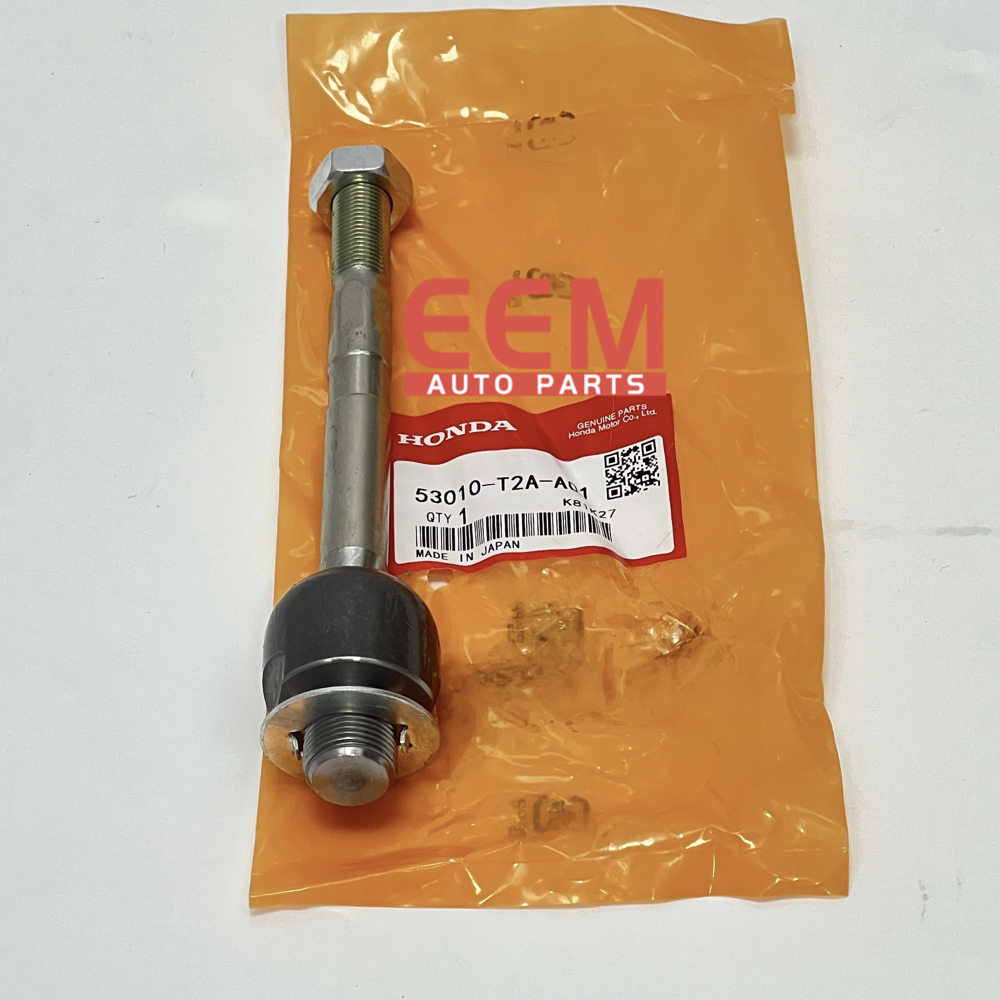
When maintaining your Nissan vehicle, choosing between authentic and generic parts can significantly impact both your budget and vehicle performance. Understanding the differences between OEM Nissan auto parts and aftermarket alternatives helps drivers make informed decisions that align with their priorities, whether focusing on cost savings or maintaining factory-grade quality standards.
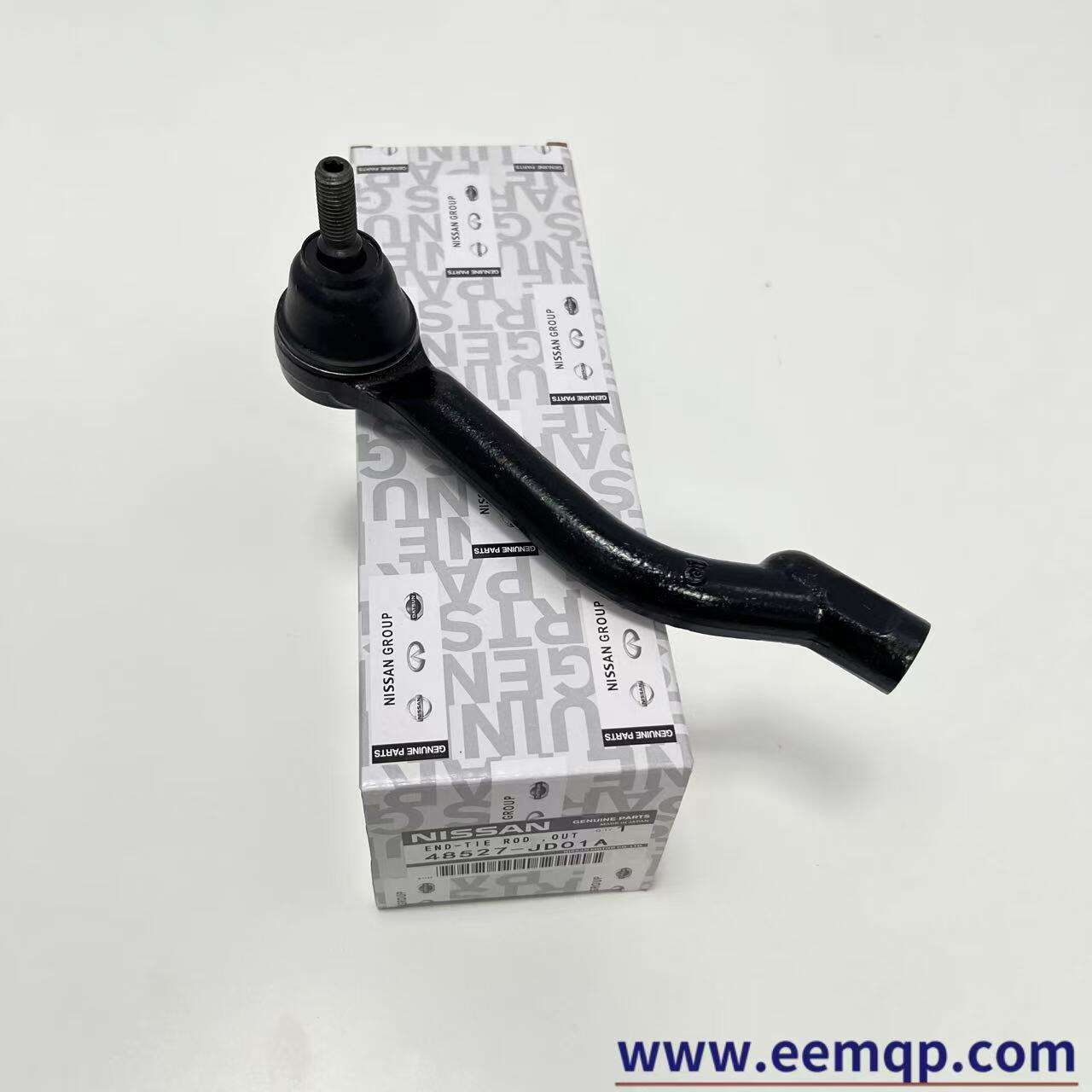
The automotive aftermarket industry offers countless options for Nissan auto parts, ranging from budget-friendly alternatives to premium replacements that rival original equipment quality. Modern drivers face the challenge of navigating this complex landscape while balancing cost considerations with reliability requirements. This comprehensive analysis examines pricing structures, quality differentials, and long-term value propositions across various part categories.
Market dynamics continue evolving as manufacturers develop new materials and production techniques, affecting both authentic and generic part availability. Supply chain disruptions and technological advances create ongoing shifts in pricing patterns, making it essential for consumers to stay informed about current market conditions and emerging trends in the Nissan auto parts sector.
Understanding Authentic OEM Components
Manufacturing Standards and Quality Control
Original Equipment Manufacturer components undergo rigorous testing protocols that ensure compatibility with specific Nissan models and production years. These authentic Nissan auto parts maintain identical specifications to factory-installed components, guaranteeing seamless integration with existing vehicle systems. Quality assurance processes include durability testing, environmental resistance evaluation, and performance verification under various operating conditions.
Production facilities manufacturing authentic parts must meet stringent certification requirements established by Nissan engineering teams. These facilities utilize advanced manufacturing equipment and quality monitoring systems that maintain consistency across large production runs. Material sourcing follows specific guidelines that ensure components meet or exceed original design specifications while maintaining compatibility with interconnected vehicle systems.
Traceability systems embedded in authentic part production enable manufacturers to track components throughout the supply chain, facilitating recalls when necessary and ensuring accountability for product quality. This comprehensive tracking capability provides consumers with confidence in part authenticity and helps service technicians verify component legitimacy during installation procedures.
Warranty Coverage and Support
Authentic Nissan auto parts typically include comprehensive warranty coverage that protects consumers against manufacturing defects and premature failure. These warranties often extend beyond basic replacement coverage, potentially including labor costs and related component damage caused by defective parts. Warranty terms vary depending on part category, with critical components like engines and transmissions receiving extended coverage periods.
Technical support networks associated with authentic parts provide valuable resources for installation guidance, troubleshooting assistance, and compatibility verification. Authorized service centers receive regular training updates and access to technical bulletins that enhance their ability to properly install and service genuine components. This support infrastructure contributes to overall vehicle reliability and customer satisfaction.
Documentation accompanying authentic parts includes detailed installation instructions, torque specifications, and compatibility information that ensures proper fitment and optimal performance. Service bulletins and technical updates provide ongoing support for parts installed in various vehicle configurations, helping technicians address emerging issues and implement design improvements.
Generic Aftermarket Alternatives
Production Methods and Standards
Aftermarket manufacturers utilize diverse production approaches when creating generic alternatives to authentic Nissan auto parts, resulting in varying quality levels across different suppliers. Some aftermarket companies invest heavily in reverse engineering processes that enable them to replicate original specifications closely, while others focus primarily on cost reduction through simplified designs and alternative materials.
Quality control standards in the aftermarket segment vary significantly between manufacturers, with established brands implementing comprehensive testing protocols while budget-oriented suppliers may rely on basic functional verification. This variation creates a wide spectrum of product quality that requires careful evaluation when selecting generic alternatives for critical vehicle systems.
Manufacturing locations for generic parts span global production networks, with facilities in various countries offering different cost structures and quality capabilities. Understanding the origin and manufacturing standards of specific aftermarket brands helps consumers make informed decisions about quality expectations and long-term reliability prospects for generic Nissan auto parts.
Cost Advantages and Market Positioning
Generic alternatives typically offer substantial cost savings compared to authentic parts, with discounts ranging from twenty to seventy percent depending on part complexity and market competition. These savings result from streamlined production processes, reduced research and development costs, and competitive pricing strategies designed to capture market share from OEM suppliers.
Distribution networks for aftermarket parts often feature shorter supply chains and reduced overhead costs compared to official dealer networks. This efficiency enables retailers to offer competitive pricing while maintaining acceptable profit margins, creating value propositions that appeal to cost-conscious consumers and high-volume repair facilities.
Market positioning strategies employed by aftermarket manufacturers include offering extended product lines that cover multiple vehicle makes and models with standardized components. This approach reduces inventory complexity while enabling economies of scale that support competitive pricing across Nissan auto parts categories.
Price Comparison Analysis
Engine Components and Performance Parts
Engine-related Nissan auto parts demonstrate significant price variations between authentic and generic options, with complex components showing the largest differentials. Air filters, oil filters, and spark plugs typically offer modest savings in aftermarket versions, while major components like alternators, starters, and fuel injectors present substantial cost differences that justify careful consideration of quality versus price trade-offs.
Performance-oriented components such as turbochargers, exhaust systems, and suspension elements command premium pricing in both authentic and aftermarket categories. However, aftermarket performance parts often incorporate design improvements and enhanced materials that may provide superior performance characteristics compared to original equipment specifications, potentially justifying higher costs through improved functionality.
Labor-intensive installation procedures associated with engine components can significantly impact total repair costs, making part reliability crucial for avoiding repeated service visits. Quality differentials between authentic and generic engine parts become particularly important when considering potential consequences of component failure on overall vehicle performance and safety systems.
Body Panels and Exterior Components
Body panels represent one of the most competitive segments in the aftermarket Nissan auto parts industry, with numerous manufacturers offering alternatives that closely match original specifications at substantially reduced costs. Paint compatibility, fit tolerances, and corrosion resistance vary among suppliers, requiring careful evaluation of long-term appearance and durability characteristics.
Exterior lighting components including headlights, taillights, and signal assemblies show remarkable price variations between authentic and generic options. While basic functionality may be comparable across different suppliers, advanced features such as LED technology, adaptive lighting systems, and integrated electronics often require authentic parts to ensure proper integration with vehicle control systems.
Trim pieces, moldings, and decorative elements typically offer excellent value propositions in aftermarket versions, as these components primarily serve aesthetic functions rather than critical performance roles. However, material quality and finish consistency may vary among generic suppliers, potentially affecting long-term appearance and customer satisfaction with exterior modifications or repairs.
Quality Assessment Factors
Material Composition and Durability
Material selection plays a crucial role in determining the long-term performance characteristics of Nissan auto parts, with authentic components utilizing materials specifically chosen for their compatibility with vehicle operating environments. Steel grades, aluminum alloys, and polymer formulations in genuine parts undergo extensive testing to ensure appropriate strength, corrosion resistance, and thermal stability under various operating conditions.
Aftermarket manufacturers may substitute alternative materials that provide adequate performance at reduced costs, but these substitutions can affect component longevity and compatibility with adjacent systems. Understanding material differences helps consumers assess whether generic alternatives meet their specific performance requirements and operating conditions, particularly in challenging environments or high-stress applications.
Surface treatments, coatings, and protective finishes applied to authentic parts typically undergo rigorous development and testing processes that ensure optimal performance throughout expected service life. Generic alternatives may utilize simplified coating processes or alternative protection methods that provide adequate short-term performance but potentially compromise long-term durability and appearance retention.
Precision and Fitment Characteristics
Dimensional accuracy and fitment precision significantly impact installation ease and long-term performance of replacement Nissan auto parts, with authentic components maintaining tight tolerances that ensure proper integration with existing vehicle systems. Manufacturing processes used for genuine parts incorporate quality control measures that minimize variation between individual components, reducing installation complications and ensuring consistent performance.
Generic alternatives may exhibit greater dimensional variation due to different manufacturing processes or quality control standards, potentially requiring additional modification or adjustment during installation. While skilled technicians can often accommodate minor fitment issues, significant variations can increase labor costs and potentially compromise component performance or longevity.
Interface compatibility between replacement parts and existing vehicle components becomes particularly critical in complex assemblies where multiple parts must work together seamlessly. Authentic parts ensure optimal compatibility, while generic alternatives require careful evaluation to verify proper interaction with adjacent components and systems throughout the expected service interval.
Installation and Service Considerations
Technical Requirements and Complexity
Installation procedures for complex Nissan auto parts often require specialized tools, diagnostic equipment, and technical knowledge that may not be readily available at all service facilities. Authentic parts typically include comprehensive installation documentation and technical support resources that facilitate proper installation and initial setup procedures, reducing the likelihood of installation errors or performance issues.
Generic alternatives may require additional research and preparation to ensure proper installation, particularly for components that interface with electronic control systems or require calibration procedures. Service technicians working with aftermarket parts must often rely on general automotive knowledge rather than manufacturer-specific guidance, potentially increasing installation time and complexity.
Diagnostic procedures and troubleshooting protocols developed specifically for authentic parts may not apply directly to generic alternatives, requiring technicians to develop alternative approaches for identifying and resolving performance issues. This additional complexity can impact service costs and repair timeframes, particularly for sophisticated components with integrated electronic systems.
Long-term Maintenance and Service Support
Service intervals and maintenance requirements for authentic Nissan auto parts align with manufacturer recommendations and established maintenance schedules, providing predictable service costs and clear guidance for ongoing vehicle care. Documentation and technical resources supporting genuine parts facilitate proper maintenance procedures and help identify early warning signs of component wear or deterioration.
Aftermarket parts may require modified maintenance approaches or different service intervals depending on material compositions and design characteristics. Limited technical documentation for some generic alternatives can complicate maintenance planning and make it difficult to optimize service schedules for maximum component life and performance.
Replacement part availability for both authentic and generic components varies significantly over time, with genuine parts typically maintaining longer availability through official dealer networks. Generic alternatives may face discontinuation or supplier changes that affect long-term serviceability, requiring consumers to consider parts availability when making initial selection decisions.
Cost-Benefit Analysis Framework
Total Cost of Ownership Evaluation
Comprehensive cost analysis for Nissan auto parts must consider initial purchase price, installation costs, warranty coverage, expected service life, and potential impact on related components. While generic alternatives often provide immediate cost savings, total ownership costs may vary depending on component reliability, maintenance requirements, and potential for premature replacement.
Vehicle age, mileage, and intended service life significantly influence the cost-benefit equation for part selection decisions. Newer vehicles with substantial remaining service life may benefit from authentic parts investment, while older vehicles approaching replacement may justify generic alternatives that provide adequate performance at reduced cost.
Usage patterns and operating conditions also affect optimal part selection strategies, with severe service applications potentially favoring authentic components while normal operating conditions may accommodate generic alternatives without significant performance penalties. Understanding these factors helps consumers align part selection decisions with their specific requirements and priorities.
Risk Assessment and Decision Criteria
Risk tolerance and consequences of component failure should guide part selection decisions, particularly for critical safety systems and components that could cause secondary damage if they fail prematurely. Authentic Nissan auto parts typically offer lower failure risk and more predictable performance characteristics, while generic alternatives may present acceptable risk levels for non-critical applications.
Financial considerations including available budget, repair urgency, and insurance coverage constraints often influence part selection decisions regardless of quality preferences. Balancing immediate financial limitations with long-term value requirements requires careful evaluation of available options and their respective cost-benefit characteristics.
Professional recommendations from qualified service technicians provide valuable input for part selection decisions, as experienced professionals understand the practical implications of different component choices. Their insights regarding installation requirements, compatibility issues, and long-term performance expectations can help consumers make informed decisions that align with their specific circumstances and priorities.
FAQ
How much can I save by choosing generic Nissan auto parts over authentic ones
Savings from generic parts typically range from 20% to 70% compared to authentic alternatives, depending on the specific component and market competition. Simple components like filters and basic maintenance items offer modest savings, while complex parts such as electronic modules and major assemblies provide more substantial cost reductions. However, potential savings must be weighed against quality differences and warranty coverage variations.
Will using generic parts void my vehicle warranty
Using generic parts does not automatically void vehicle warranties, but warranty claims related to failures caused by aftermarket components may be denied. The Magnuson-Moss Warranty Act protects consumers from blanket warranty denials, but manufacturers can refuse coverage for damage directly attributable to non-genuine parts. Consult your warranty documentation and dealer for specific guidance regarding aftermarket part usage.
Are there specific Nissan auto parts where authentic components are always recommended
Safety-critical components such as brake systems, airbag modules, and engine management electronics typically warrant authentic parts due to their complex integration requirements and potential consequences of failure. Additionally, components covered under active recalls or technical service bulletins should use genuine parts to ensure proper resolution of identified issues. Consult with qualified technicians for guidance on specific applications.
How can I verify the quality of generic Nissan auto parts before purchasing
Research manufacturer reputation, read customer reviews, and verify certifications such as ISO quality standards or industry-specific approvals. Request warranty information and return policies before purchase, and consider starting with less critical components to evaluate supplier quality. Professional technicians can also provide recommendations based on their experience with different aftermarket brands and suppliers in your local market.