 EN
EN

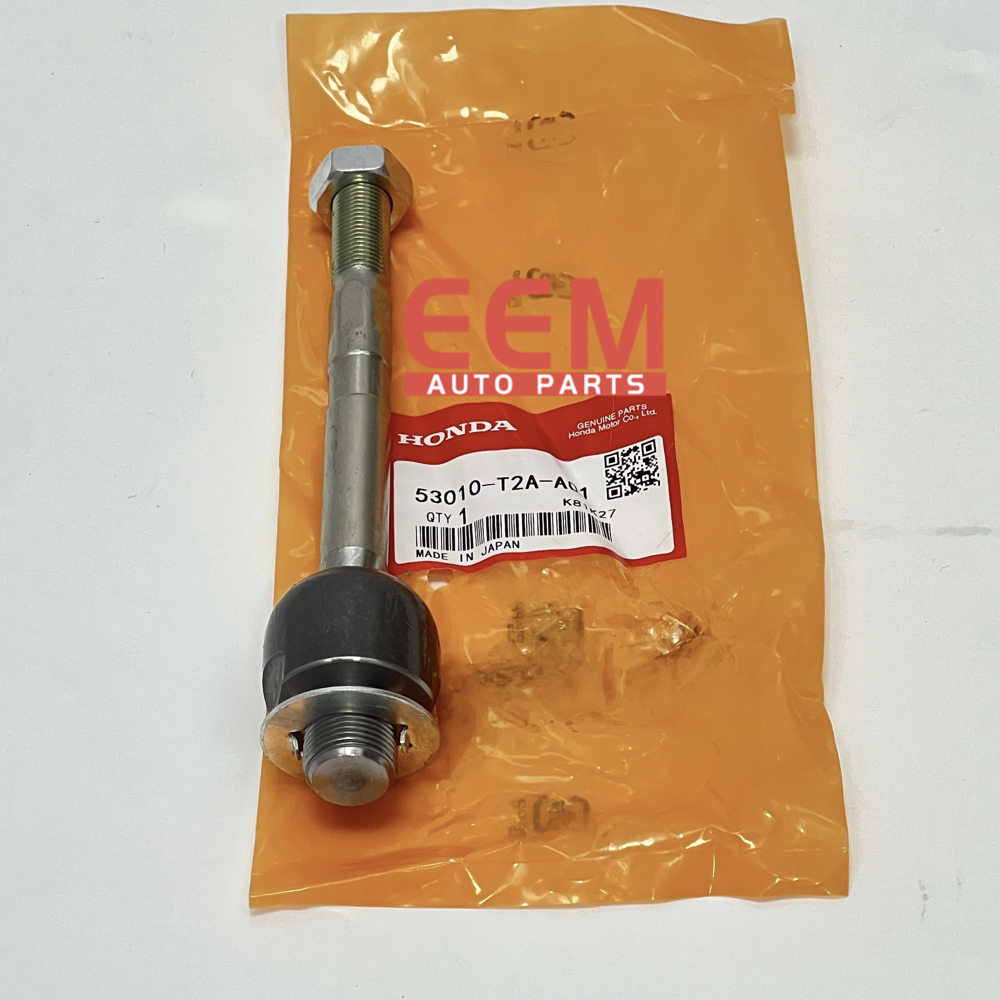
The global automotive industry has witnessed a significant shift toward sourcing components from international manufacturers, with China emerging as a dominant supplier of high-quality automotive components. When evaluating auto parts made in China, manufacturers and consumers alike discover that these products often deliver exceptional value while maintaining rigorous quality standards. The Chinese automotive parts industry has evolved dramatically over the past two decades, transforming from a cost-focused market to a sophisticated ecosystem that produces components meeting international safety and performance requirements.
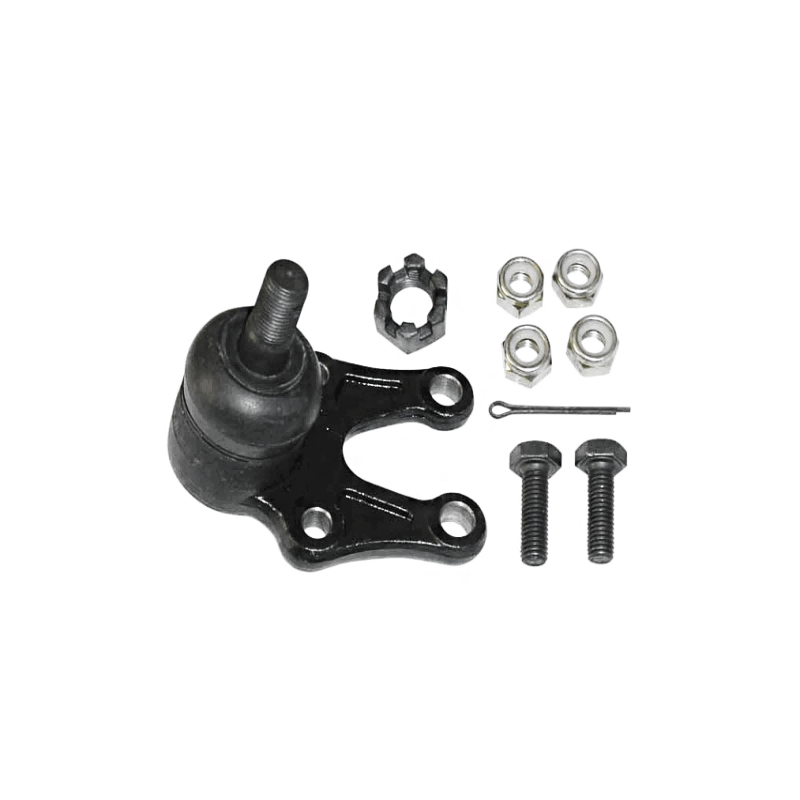
Modern Chinese manufacturing facilities utilize advanced production technologies, implementing strict quality control measures that rival those found in traditional automotive manufacturing hubs. These facilities produce millions of components annually, ranging from engine parts and suspension systems to electronic modules and safety equipment. The competitive pricing structure of auto parts made in China enables vehicle manufacturers to maintain affordable retail prices while ensuring reliable performance across diverse driving conditions.
Understanding the landscape of Chinese automotive parts requires examining the technological capabilities, quality certifications, and manufacturing processes that define this industry sector. Major Chinese automotive parts manufacturers have invested heavily in research and development, establishing partnerships with international automotive brands to develop components that meet specific performance criteria. This collaborative approach has resulted in innovative solutions that address both cost considerations and quality requirements.
Manufacturing Excellence in Chinese Automotive Components
Advanced Production Technologies
Chinese automotive parts manufacturers have embraced cutting-edge production technologies to enhance the quality and consistency of their components. State-of-the-art facilities incorporate automated assembly lines, precision machining centers, and comprehensive testing equipment to ensure that every component meets strict specifications. These technological investments demonstrate the industry's commitment to producing auto parts made in China that compete effectively in global markets.
Robotic systems handle critical manufacturing processes, reducing human error while improving production efficiency and component uniformity. Computer-controlled machining centers achieve tolerances measured in micrometers, ensuring that components fit precisely within vehicle assemblies. Advanced metallurgy techniques produce materials with enhanced durability characteristics, extending the operational lifespan of critical automotive components.
Quality Control Systems
Comprehensive quality management systems govern every aspect of production, from raw material inspection to final component testing. ISO certification requirements mandate rigorous documentation processes, traceability protocols, and continuous improvement initiatives throughout manufacturing operations. These systematic approaches ensure that auto parts made in China consistently meet international quality standards while maintaining competitive pricing structures.
Statistical process control methods monitor production variables in real-time, automatically adjusting manufacturing parameters to maintain optimal component characteristics. Environmental testing chambers subject components to extreme temperature variations, humidity levels, and vibration patterns that simulate decades of operational use. Destructive testing protocols verify material strength properties, fatigue resistance, and failure modes under extreme stress conditions.
Cost-Effectiveness Analysis of Chinese Auto Parts
Price Comparison Framework
Economic advantages represent a primary driver for sourcing automotive components from Chinese manufacturers, with typical cost savings ranging from 20% to 60% compared to equivalent parts produced in traditional manufacturing regions. These savings stem from optimized production processes, efficient supply chain management, and favorable manufacturing costs that enable competitive pricing without compromising quality standards.
Labor cost differentials contribute significantly to the overall cost advantages, though this factor becomes less influential as automation increases throughout manufacturing operations. Raw material costs benefit from proximity to mining operations and processing facilities, reducing transportation expenses and supply chain complexities. Volume production capabilities enable economies of scale that further reduce per-unit costs for auto parts made in China.
Total Cost of Ownership Considerations
Evaluating the true value proposition requires examining total cost of ownership factors beyond initial purchase prices. Reliability metrics, warranty coverage, and expected service life significantly impact long-term ownership costs. Many auto parts made in China demonstrate excellent durability characteristics, providing reliable service over extended periods while maintaining performance specifications.
Maintenance requirements and replacement intervals affect ongoing operational costs, making it essential to consider component longevity when comparing options. Supply chain reliability ensures consistent availability of replacement components, minimizing downtime costs associated with maintenance operations. Technical support services and documentation quality contribute to installation efficiency and troubleshooting capabilities.
Quality Assessment Standards and Certifications
International Certification Requirements
Chinese automotive parts manufacturers pursue internationally recognized certifications to demonstrate their commitment to quality excellence and regulatory compliance. ISO/TS 16949 certification specifically addresses automotive industry requirements, establishing comprehensive quality management systems that govern every aspect of production operations. This certification ensures that auto parts made in China meet stringent quality standards equivalent to those required by major automotive manufacturers worldwide.
Environmental management certifications address sustainability concerns while ensuring compliance with international environmental regulations. Safety certifications verify that components meet crash test requirements and occupant protection standards. Product liability insurance coverage provides additional assurance regarding component reliability and manufacturer accountability for product performance.
Performance Testing Protocols
Rigorous testing procedures validate component performance across diverse operating conditions, ensuring that parts function reliably throughout their intended service life. Accelerated aging tests simulate years of operational stress within compressed timeframes, identifying potential failure modes before components reach market. Compatibility testing verifies proper integration with vehicle systems and confirms that performance characteristics remain consistent across different applications.
Dimensional accuracy measurements ensure precise fitment within vehicle assemblies, eliminating installation difficulties and operational problems. Material composition analysis verifies that components utilize specified materials with appropriate mechanical properties. Corrosion resistance testing confirms long-term durability in challenging environmental conditions, particularly important for auto parts made in China destined for global markets with varying climate conditions.
Market Segment Analysis and Applications
Engine Components and Drivetrain Parts
Engine-related components represent a significant portion of the Chinese automotive parts market, encompassing everything from precision-machined engine blocks to sophisticated fuel injection systems. These components require exceptional manufacturing precision and material quality to withstand the demanding operating conditions found within modern automotive engines. Chinese manufacturers have developed specialized expertise in producing complex engine components that meet stringent performance and durability requirements.
Drivetrain components including transmissions, differentials, and related assemblies benefit from advanced manufacturing processes that ensure smooth power delivery and extended operational life. Heat treatment processes optimize material properties for specific applications, while precision machining techniques achieve the tight tolerances required for proper component interaction. These auto parts made in China often exceed original equipment specifications while maintaining competitive pricing structures.
Suspension and Steering Systems
Suspension components manufactured in China encompass a comprehensive range of products from basic shock absorbers to sophisticated adaptive suspension systems. These components directly impact vehicle handling, ride comfort, and safety characteristics, making quality and reliability paramount considerations. Advanced materials science and engineering design principles ensure that Chinese-manufactured suspension components deliver consistent performance across diverse driving conditions.
Steering system components require precise manufacturing tolerances and exceptional material quality to ensure safe and responsive vehicle control. Power steering pumps, steering racks, and related assemblies produced in Chinese facilities utilize advanced hydraulic and electronic technologies to provide smooth and reliable operation. Quality control processes verify proper component function across temperature ranges and loading conditions typical of real-world driving scenarios.
Supply Chain Integration and Global Distribution
Logistics and Distribution Networks
Efficient distribution networks enable Chinese automotive parts manufacturers to serve global markets with reliable delivery schedules and competitive transportation costs. Established shipping routes and logistics partnerships facilitate timely delivery of components to assembly facilities and aftermarket distributors worldwide. These distribution capabilities ensure that auto parts made in China reach international customers efficiently while maintaining component quality throughout the shipping process.
Inventory management systems optimize stock levels to balance carrying costs with service level requirements, ensuring product availability without excessive investment in stored inventory. Packaging technologies protect components during transportation and storage, maintaining quality standards from manufacturing facility to end user installation. Temperature-controlled shipping options preserve component integrity for sensitive electronic systems and specialized materials.
Customer Support and Technical Services
Comprehensive technical support services assist customers with component selection, installation procedures, and troubleshooting requirements. Multilingual support teams provide assistance across different time zones, ensuring that customers receive timely responses to technical inquiries. Documentation packages include detailed installation instructions, maintenance schedules, and performance specifications that facilitate proper component utilization.
Training programs educate distributors and technicians about proper installation techniques and maintenance procedures for auto parts made in China. These programs ensure that components achieve their designed performance levels and service life expectations. Warranty programs provide protection against manufacturing defects while demonstrating manufacturer confidence in product quality and reliability.
Technology Innovation and Future Developments
Research and Development Initiatives
Chinese automotive parts manufacturers invest substantial resources in research and development activities to maintain competitive advantages and develop innovative solutions for evolving market requirements. Collaboration with universities and research institutions accelerates technology development while fostering expertise in emerging automotive technologies. These investments ensure that auto parts made in China incorporate the latest technological advances and engineering innovations.
Electric vehicle technology development represents a significant focus area, with manufacturers developing specialized components for battery systems, electric motors, and charging infrastructure. Autonomous vehicle technologies require sophisticated sensors, control systems, and communication modules that Chinese manufacturers are developing through strategic partnerships and internal research programs. These technological initiatives position Chinese manufacturers at the forefront of automotive industry evolution.
Sustainability and Environmental Initiatives
Environmental sustainability initiatives drive improvements in manufacturing processes, material utilization, and waste reduction throughout production operations. Recyclable materials and biodegradable packaging options reduce environmental impact while maintaining component quality and protection requirements. Energy-efficient manufacturing processes reduce carbon footprint associated with auto parts made in China while maintaining competitive cost structures.
Circular economy principles encourage component design approaches that facilitate recycling and material recovery at end-of-life. Life cycle assessment methodologies evaluate environmental impact throughout component lifetime, identifying opportunities for improvement in material selection and manufacturing processes. These sustainability initiatives demonstrate industry commitment to environmental responsibility while maintaining focus on quality and cost-effectiveness.
FAQ
Are auto parts made in China reliable for long-term use
Auto parts made in China have demonstrated excellent reliability when manufactured by reputable companies following international quality standards. Modern Chinese facilities utilize advanced production technologies and comprehensive quality control systems that ensure component durability and performance consistency. Many Chinese-manufactured parts undergo rigorous testing protocols that validate their performance over extended service periods, often exceeding original equipment specifications for reliability and longevity.
How do Chinese auto parts compare in price to other international suppliers
Chinese automotive components typically offer cost savings of 20% to 60% compared to equivalent parts from traditional manufacturing regions, while maintaining comparable quality standards. These cost advantages result from efficient manufacturing processes, optimized supply chains, and economies of scale achieved through high-volume production capabilities. The competitive pricing structure enables significant cost reductions without compromising component performance or reliability characteristics.
What quality certifications should I look for when purchasing Chinese auto parts
Look for ISO/TS 16949 certification which specifically addresses automotive industry quality requirements, ensuring comprehensive quality management systems throughout manufacturing operations. Additional certifications include environmental management standards, safety compliance certificates, and industry-specific approvals from major automotive manufacturers. These certifications demonstrate that auto parts made in China meet stringent international quality standards and regulatory requirements.
Can Chinese auto parts be used as direct replacements for original equipment parts
Many Chinese automotive components are designed and manufactured to meet or exceed original equipment specifications, making them suitable as direct replacement parts. Reputable manufacturers provide detailed compatibility information and technical specifications that confirm proper fitment and performance characteristics. Quality Chinese parts often undergo the same testing protocols as original equipment, ensuring reliable operation and maintaining vehicle safety and performance standards.